
Hillsborough Castle
Hillsborough Castle: Where Northern Ireland's Peace Was Made, Twenty Minutes from Belfast
In 1771, Wills Hill — the first Marquess of Downshire, one of the most powerful men in British colonial politics — received Benjamin Franklin at Hillsborough Castle. The meeting was not amicable: Hill and Franklin disagreed fundamentally about American colonial rights, and their exchange was one of the many pre-Revolutionary confrontations that would eventually lead to American independence.
A century and a half later, in 1985, Margaret Thatcher came to the same house and signed the Anglo-Irish Agreement with the Irish Taoiseach — the first formal recognition by Britain that Ireland could have a voice in Northern Irish affairs. The talks that led to the Good Friday Agreement of 1998, which ended the Troubles, were conducted in these same rooms.
Hillsborough Castle is a Georgian country house — not a medieval castle, though the name reflects a convention among Anglo-Irish families of calling grand country houses castles to emphasise prestige. It is the official residence of the British royal family in Northern Ireland and a working house of state, open to visitors since Historic Royal Palaces took over its management in 2014. The 100-acre gardens surrounding it are among the finest in Northern Ireland. This guide covers everything you need to plan your visit.
Where Is Hillsborough Castle?
Hillsborough Castle is in the village of Royal Hillsborough, County Down, Northern Ireland, approximately 12 miles south of Belfast. By car from Belfast, take the M1 and A1 to Junction 7, following signs to Hillsborough; the journey takes around 20 minutes. Free parking is available at the castle car park. From Dublin, allow around one and a half hours by car.
By public transport, bus 238 from Belfast Europa Bus Station reaches Hillsborough in around 20 minutes. Alternatively, trains from Belfast reach Lisburn (5 miles away), from where bus 38 connects to Hillsborough. A pedestrian entrance from Hillsborough village is available for those arriving on foot.
A Brief History of Hillsborough Castle
The Hill family acquired land in County Down in the early 17th century, when Moyses Hill established their presence in the area. By the 18th century, the family had risen to considerable influence: Wills Hill, the first Marquess of Downshire, served as Secretary of State for the Colonies from 1768 to 1772, wielding direct authority over the American colonies at the most critical moment in their relationship with Britain.
He built the current house as a grand townhouse — one that would form part of a Georgian square in Hillsborough — and received Franklin here in 1771 in an encounter that illuminates the tensions of the period.
The house remained a family seat through the 19th century, when the 3rd and 4th Marquesses extended the gardens and estate, before declining family use led to its sale to the British government in 1925 for £24,000. It became Government House — the official residence of the Governor of Northern Ireland — and later the seat of the Secretary of State for Northern Ireland. A fire in 1934 necessitated significant rebuilding and structural improvements.
The castle's defining modern role has been as a venue for some of the most significant diplomatic and political events in recent British and Irish history. The Anglo-Irish Agreement, signed here in 1985 by Margaret Thatcher and Taoiseach Garret FitzGerald, was the first formal acknowledgment by Britain that Ireland could play a role in Northern Irish affairs — a deeply contested document that nonetheless opened the path to dialogue.
Negotiations leading to the Good Friday Agreement of 1998, which ended the Troubles, took place within these walls. The house has received Queen Elizabeth II and King Charles III on official visits and continues as a working royal residence and house of state.
The remarkable thing about Hillsborough is the concentration of historical significance in one relatively modest Georgian building: American colonial politics, the birth of Irish–British diplomacy, the end of the Northern Irish Troubles. Each episode left no visible mark on the fabric of the house — the state rooms look as they always have — but the air of the rooms carries their weight.
Architecture & Design
Hillsborough Castle is a refined example of Georgian architecture — the elegant symmetry, the period proportions and the restrained classical detailing of the late 18th century, with later Italianate elements including rusticated stonework. Though called a castle, it is a country house: the name reflects the Anglo-Irish convention of using "castle" to signal family prestige rather than defensive architecture.
The state rooms are the principal interiors: the Throne Room, State Drawing Room and State Dining Room feature ornate plasterwork, marble fireplaces and period furnishings that represent 18th-century Georgian grandeur at its most assured. The rooms are still used for royal visits and official functions, and the furniture and collection reflect both the Georgian original and the royal additions of subsequent centuries.
The 100-acre gardens are outstanding by any measure: the Walled Garden produces vegetables and fruit supplied to the castle's café; the Yew Tree Walk is one of the finest features; the Lost Garden is a more recent restoration; and Lady Alice's Temple provides a picturesque focal point in the grounds. The nearby Hillsborough Fort — a star-shaped defensive work built by Arthur Hill in 1650 and restored by Wills Hill in an 18th-century Gothick style — adds a further layer of historical character to the estate.
Legends & Lore
Hillsborough Castle's lore is entirely human and historical — no ghost traditions have grown up around this Georgian residence, though the house has seen more genuinely significant human meetings in its walls than most buildings anywhere in Ireland or Britain.
The image of Benjamin Franklin sitting in these rooms, in direct argument with the man who controlled his country's relationship with Britain, is the most historically charged. Franklin arrived at Hillsborough in January 1771 hoping to discuss colonial grievances; Hill was dismissive and hostile. The encounter did nothing to avert the eventual break. Within five years of that meeting, Franklin was signing the Declaration of Independence.
Visiting the Castle
Hillsborough Castle is managed by Historic Royal Palaces and is open to visitors throughout most of the year, with seasonal variations. Tickets should be booked in advance for state room tours, which are guided and last around 45 minutes, covering the castle's role in royal and political history. Historic Royal Palaces members enter free.
The state rooms are the centrepiece of the castle tour. The 100-acre gardens are a separate and substantial attraction — allow at least three hours in total to do justice to both the castle and the gardens. The Weston Pavilion Café serves locally sourced food including produce from the Walled Garden, with afternoon tea available. The gift shop is on site.
Photography is generally permitted in the gardens; restrictions may apply inside the state rooms — check with staff on arrival. No dogs are admitted except assistance dogs.
Check Tickets & Tour Times for Hillsborough Castle →
For current opening hours, prices and guided tour availability, check the official Historic Royal Palaces website before your visit.
Where to Stay Near Hillsborough Castle
Hillsborough village has a small selection of hotels and guesthouses in the immediate vicinity. Belfast, 12 miles north (around 20 minutes by car or bus), offers the full range of city accommodation — from budget hostels to five-star hotels — and is the natural base for combining Hillsborough with the city's own substantial attractions.
Find Hotels & Stays in Belfast →
The Best Time to Visit
Spring (April to June) is the finest time for Hillsborough's gardens — the Walled Garden is coming into production, the yew walks are at their most vivid green, and the grounds have a freshness that summer heat diminishes. The garden in April and May is outstanding.
Summer (July to August) brings the gardens to their fullest and the longest visiting hours. Autumn (September to October) sees the estate in autumn colour. The castle is generally open year-round, with seasonal variation in hours and some events.
How to Get There
By car. From Belfast, take the M1 to the A1 at Junction 7, following brown tourist signs to Hillsborough. Free parking is available at the castle.
By bus. Bus 238 from Belfast Europa Bus Station serves Hillsborough, with a journey of around 20 minutes.
By train and bus. Trains from Belfast Great Victoria Street reach Lisburn in around 15 minutes; bus 38 connects Lisburn to Hillsborough.
Compare Transfers & Local Transport near Belfast →
Nearby Attractions
Hillsborough is at the heart of County Down, close to Belfast and within easy reach of the best of Northern Ireland's eastern heritage.
| Attraction | Why Visit | Distance |
|---|---|---|
| Hillsborough Fort | A star-shaped 17th-century defensive fort in the castle grounds, later restored in Gothick style — free to explore | Adjacent |
| Hillsborough Forest Park & Lake | A scenic parkland with walking trails and lakeside paths — a natural extension of a castle visit | ~0.5 miles |
| Belfast | Titanic Belfast, the Ulster Museum, the Cathedral Quarter and the world's largest dry dock — one of the most dramatically reinvented cities in the British Isles | ~12 miles |
| Lisburn Museum & Irish Linen Centre | The story of the linen industry that shaped Ulster's economy and landscape | ~5 miles |
| Rowallane Garden (National Trust) | One of the finest gardens in Northern Ireland — a walled garden with outstanding plant collections | ~12 miles |
A natural Belfast day trip pairs Hillsborough Castle with a drive into Belfast itself for the Titanic Museum — two of the most compelling Northern Ireland heritage experiences within 30 minutes of each other.
Browse Belfast & Northern Ireland Tours →
Family & Accessibility
Families. Hillsborough Castle offers a well-developed family experience, with an outdoor play trail in the grounds and seasonal family events throughout the year. The gardens give children space to explore. The royal history and peace process story provide substantial context for older children and teenagers.
Accessibility. The castle is fully wheelchair accessible, with accessible toilets, a limited number of loan wheelchairs and baby-changing facilities. Sunflower lanyards are available for visitors with hidden disabilities. Carers for disabled visitors enter free. No dogs except assistance dogs.
Practical Tips
- Book state room tours in advance — guided tours fill quickly, particularly in summer and during school holidays.
- Wear comfortable walking shoes — the 100-acre gardens involve substantial walking on grass and gravel paths.
- Pack a compact travel umbrella — Northern Ireland weather is changeable.
- Bring a portable power bank for a full day of garden and castle photography.
- Allow three hours minimum — the state rooms alone take 45 minutes; the gardens deserve at least as long again.
- Photography is generally permitted in the gardens; confirm restrictions inside the state rooms.
- Overseas visitor? Pack a UK travel adapter for Type G plugs.
Conclusion
Benjamin Franklin visited Hillsborough Castle in 1771 and left with no resolution to the colonial dispute that would eventually tear the American colonies from British rule. Margaret Thatcher signed the Anglo-Irish Agreement here in 1985. The Good Friday Agreement was negotiated here.
Queen Elizabeth II and King Charles III have both stayed in the same rooms. The Georgian house itself is beautiful and the 100-acre gardens are exceptional. It is one of the few places in the British Isles where you can walk through a landscape that has shaped the modern world — and be back in Belfast for lunch.
Frequently Asked Questions
What are the opening hours of Hillsborough Castle?
Opening hours vary by season. The castle and gardens are generally open throughout most of the year. Check the official Historic Royal Palaces website for current times before visiting.
How much does it cost to visit Hillsborough Castle?
Admission fees vary by age; Historic Royal Palaces members enter free, and carers for disabled visitors are admitted without charge. Check the official website for current prices.
What is the Anglo-Irish Agreement?
The Anglo-Irish Agreement was signed at Hillsborough Castle in 1985 by Prime Minister Margaret Thatcher and Irish Taoiseach Garret FitzGerald. It was the first formal recognition by the British government that Ireland could have a consultative role in Northern Irish affairs, and was a landmark in the peace process that eventually led to the Good Friday Agreement of 1998.
Why did Benjamin Franklin visit Hillsborough Castle?
In January 1771, Franklin visited Wills Hill — the first Marquess of Downshire and Secretary of State for the Colonies — to discuss American colonial grievances. The meeting was unproductive; Hill was hostile to colonial arguments. The encounter is one of the significant pre-Revolutionary confrontations between American and British political figures.
Are the gardens at Hillsborough Castle worth visiting?
The 100-acre gardens are outstanding — the Walled Garden (which supplies the castle café), the Yew Tree Walk, the Lost Garden and Lady Alice's Temple together make the garden one of the finest estates in Northern Ireland. Allow at least 90 minutes for the gardens alone.
Is there food at Hillsborough Castle?
The Weston Pavilion Café serves locally sourced food, including produce from the Walled Garden, with afternoon tea available. Check current opening days on the Historic Royal Palaces website.
Are dogs allowed at Hillsborough Castle?
No dogs are permitted except assistance dogs.
Is Hillsborough Castle wheelchair accessible?
Yes — the castle is fully accessible, with accessible toilets, loan wheelchairs available, and sunflower lanyards for visitors with hidden disabilities.
How do I get to Hillsborough Castle from Belfast?
By car, 20 minutes via the M1 and A1 to Junction 7. By bus, route 238 from Belfast Europa Bus Station (around 20 minutes). By train to Lisburn (around 15 minutes from Belfast), then bus 38 to Hillsborough.
Can I take photos at Hillsborough Castle?
Photography is generally permitted in the gardens. Restrictions may apply inside the state rooms — confirm with staff on arrival.
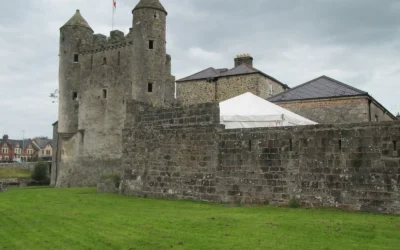
Enniskillen Castle
Enniskillen Castle: The Maguire Clan's Lough Erne Fortress, Home to Two Museums Hugh Maguire built his castle at Enniskillen around 1428. His nickname — 'the Hospitable' — suggests a lord who understood the politics of generosity as well as the politics...
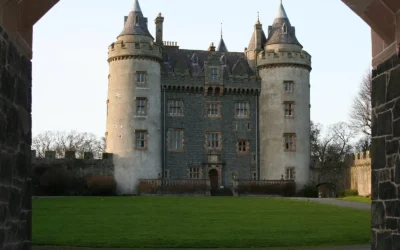
Killyleagh Castle
Killyleagh Castle: Ireland's Oldest Inhabited Castle, Above Strangford Lough Sir Hans Sloane was born in Killyleagh in 1660. The physician, naturalist and collector who grew up in this County Down village on the shore of Strangford Lough went on to assemble a...
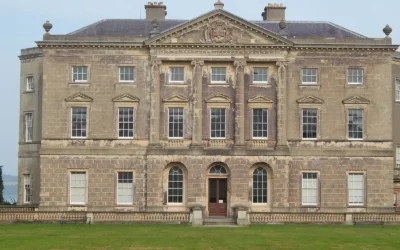
Castle Ward
Castle Ward: The House That Couldn't Agree on a Style — and Became Winterfell Bernard Ward, 1st Viscount Bangor, and his wife Lady Ann Bligh could not agree on what kind of house they wanted to build at their County Down estate in the 1760s. He wanted classical...
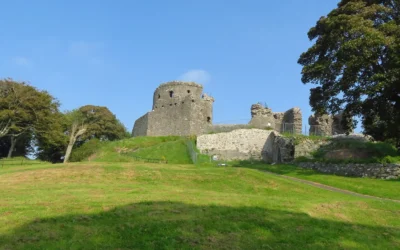
Dundrum Castle
Dundrum Castle: Where John de Courcy's Norman Ulster Meets the Mourne Mountains In 1177, the same year that John de Courcy built Carrickfergus Castle on Belfast Lough, he also established a fortress on a rocky hill above Dundrum Bay in County Down. The two...
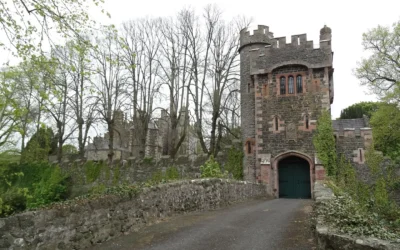
Glenarm Castle
Glenarm Castle: Six Centuries of the McDonnell Earls, Among the Glens of Antrim In the 1920s, a fire broke out at Glenarm Castle — allegedly started in an attempt to keep the 11th Earl of Antrim's featherless parrot warm. The castle had to be substantially...