
Castle Ward
Castle Ward: The House That Couldn't Agree on a Style — and Became Winterfell
Bernard Ward, 1st Viscount Bangor, and his wife Lady Ann Bligh could not agree on what kind of house they wanted to build at their County Down estate in the 1760s. He wanted classical Palladian architecture — columns, symmetry, the grand Georgian tradition. She wanted Gothic — pointed windows, battlements, the romantic picturesque. Their solution was to split the house literally down the middle: the entrance front facing the farmyard is Palladian, with columns and a triangular pediment of satisfying Georgian rectitude.
The rear elevation, facing out over Strangford Lough, is Gothic, with pointed windows, battlements and finials that seem to belong to a different building entirely. The couple reportedly separated not long after the house was completed, each having achieved their architectural ambition. The house — absurd, charming and completely individual — has stood on the shore of Strangford Lough ever since.
Castle Ward is managed by the National Trust and sits within 820 acres of gardens, woodlands and shoreline on the western shore of Strangford Lough in County Down. It is also, since Game of Thrones used its farmyard as the courtyard of Winterfell, one of the most visited GoT filming locations in Northern Ireland. This guide covers everything you need to plan your visit.
Where Is Castle Ward?
Castle Ward is near Strangford village, County Down, Northern Ireland, approximately 7 miles from Downpatrick and 1.5 miles from Strangford village. From Downpatrick, take the A25 east and follow the National Trust signs. Parking is available on site.
By public transport, options are limited — check local bus services from Downpatrick or Newcastle, or take a taxi from either town. A scenic alternative is the Strangford Ferry from Portaferry across the lough; from the Strangford ferry terminal, the estate is accessible on foot or by local transport.
A Brief History of Castle Ward
The Ward family's connection to this part of County Down stretches back to the 16th century — the Old Castle Ward, a late 16th or early 17th-century fortified tower house, still stands on the estate and predates the current mansion by a century and a half. It represents the original Ward fortified presence in the area, built when the region was still subject to the kind of conflict that required defensible stone towers.
The current mansion was commissioned in the 1760s by Bernard Ward, created 1st Viscount Bangor in 1781, and the architectural compromise with Lady Ann Bligh that resulted is the building's defining characteristic. Their split aesthetic was not merely cosmetic — the Palladian side, favoured by Bernard, reflects the educated classical taste of the Anglo-Irish ascendancy. The Gothic side, chosen by Ann, reflects the fashionable Romantic movement associated in England with Horace Walpole's Strawberry Hill House. Both were legitimate contemporary choices; it was simply unusual to build them simultaneously on either side of the same structure.
The estate subsequently passed through the Ward family (later Viscounts Bangor) until the mid-20th century, when it came to the National Trust. Between 1985 and 2010, it hosted the Castle Ward Opera festival, which became one of the most celebrated summer events in Northern Ireland. In addition to the mansion, the estate's Victorian corn mill, laundry and sawmill preserve the working infrastructure of a 19th-century estate in exceptional condition.
The remarkable thing about Castle Ward is the coexistence of the grandiose and the domestic in one estate. The mansion is eccentrically magnificent. The working Victorian farm buildings are functional and fascinating. The lough shore and the 820 acres of trails exist on a scale that no single building — however architecturally distinctive — could encompass alone.
Architecture & Design
The mansion's Palladian front is the more formally impressive elevation: columns, classical proportions and the symmetry that 18th-century Georgian taste demanded. It faces the farmyard and the approach from the estate entrance. The Gothic rear faces Strangford Lough: pointed windows set within a battlemented parapet, finials at the corners, the whole elevation expressing the Romantic movement's attraction to medieval forms. The two sides are joined by a building whose internal rooms necessarily adapt to the styles on either side, producing interiors of considerable variety.
Within the house, the Georgian period rooms and the servants' quarters below stairs are both open on tours, giving a picture of both upstairs and downstairs life in an 18th-century Irish country house. The estate's outbuildings include a working corn mill, a Victorian laundry and a sawmill — three complete historic working structures that survive in remarkable condition.
The Old Castle Ward tower house (16th/17th-century) is visible on the estate grounds — the original fortified building that the 18th-century mansion eventually replaced.
Legends & Lore
Castle Ward's own legend is entirely architectural: the story of the divided house, the incompatible tastes, and the couple who reportedly went their separate ways having achieved, on either side of the same building, exactly what each had wanted. It is one of the most entertaining architectural stories in Ireland, and it is entirely true.
The modern layer of lore is cinematic. The farmyard courtyard at Castle Ward served as the courtyard of Winterfell in multiple series of Game of Thrones — the yard, the archway and the buildings surrounding it were dressed for Stark family scenes throughout the show's run. Guided GoT tours operate from the estate. The estate also appeared in the 1991 film Enchanted April, and hosted the Castle Ward Opera festival for 25 years.
Visiting the Castle
Castle Ward is managed by the National Trust and is open throughout most of the year, with seasonal variations in mansion opening. National Trust members enter free.
The visit encompasses the mansion tour (Georgian state rooms and servants' quarters), the farmyard and Winterfell filming locations, the Victorian working buildings (corn mill, laundry, sawmill), the Old Castle Ward tower house, and the 820 acres of grounds and trails. The Lough Shore Trail and Hoof Trail are the principal walking routes, with the Lough Shore Trail offering views of Strangford Lough and Audley's Castle.
The Stableyard tea-room serves hot and cold refreshments; picnics are permitted in designated areas. A second-hand bookshop and gift shop are in the Stableyard. Photography is generally permitted in the grounds; restrictions may apply inside the mansion — check with staff on arrival. Dogs are welcome on leads throughout the estate, with a dedicated exercise field.
Check Tickets & Tour Times for Castle Ward →
For current opening hours, prices and guided tour schedules, check the official National Trust website before your visit.
Where to Stay Near Castle Ward
Strangford village (1.5 miles) has guesthouses and the Cuan Boutique Hotel with views across the lough. Downpatrick (7 miles), the nearest town, has a wider range of accommodation. National Trust holiday cottages may be available on the estate — check the National Trust website for availability.
Find Hotels & Stays Near Strangford →
The Best Time to Visit
Spring (April to June) is the finest time for Castle Ward — the gardens are coming into bloom, the lough views are clear and the 820-acre grounds are at their most vivid. The Lough Shore Trail in May is outstanding.
Summer (July to August) brings the longest days and the best weather for the outdoor trails and the lough. Autumn (September to October) sees the woodland in autumn colour. The mansion and some facilities have seasonal opening patterns — check the National Trust website for current details.
How to Get There
By car. From Downpatrick, take the A25 east following National Trust signs to Castle Ward. Parking is available on site.
By ferry and on foot. The Strangford Ferry from Portaferry crosses the lough to Strangford; from the Strangford terminal, the estate entrance is 1.5 miles.
By public transport. Options are limited. Check Translink for bus services to Downpatrick or Strangford, then take a taxi to the estate.
Compare Transfers & Local Transport in County Down →
Nearby Attractions
Castle Ward sits on Strangford Lough, one of Northern Ireland's most important wildlife habitats and most beautiful coastal landscapes.
| Attraction | Why Visit | Distance |
|---|---|---|
| Audley's Castle (Historic Environment NI) | A 15th-century tower house visible from the Castle Ward lough shore trail — free to visit, dramatic position above the water | ~1 mile |
| Strangford Village | A charming lough-side village with the ferry terminal for Portaferry and a small selection of restaurants and guesthouses | ~1.5 miles |
| Mount Stewart (National Trust) | One of the finest gardens in Ireland — an internationally significant collection on the Ards Peninsula, a short drive away | ~15 miles |
| Saint Patrick Centre, Downpatrick | The story of Ireland's patron saint and the reputed site of his burial at Down Cathedral | ~7 miles |
| Strangford Lough | One of Northern Ireland's largest sea inlets — internationally important for wildfowl and waders, with boat trips and kayaking available | Adjacent |
A natural County Down day pairs Castle Ward with Audley's Castle (a short walk from the estate) and the Strangford Ferry crossing to Portaferry — lough history, a tower house and a scenic ferry in one day.
Browse Strangford Lough & County Down Tours →
Family & Accessibility
Families. Castle Ward is an exceptional family estate. The Game of Thrones connection draws teenagers; the 820 acres, trails, play areas and Victorian working buildings engage all ages; the dogs-welcome policy (with a dedicated exercise field) makes it very family-friendly. Costumed tours and seasonal family events add further interest.
Accessibility. Step-free paths are available in parts of the estate, including the Stableyard and Victorian Sunken Garden. Uneven terrain on other sections requires sturdy footwear. Adapted toilets are provided. Contact the National Trust before visiting for current accessibility details.
Practical Tips
- Wear comfortable walking shoes with grip — 32km of trails cross varied terrain including woodland and lough shore paths.
- Pack a compact travel umbrella — County Down coastal weather is changeable.
- Bring a portable power bank for photography — the Winterfell farmyard, the split mansion and the Strangford Lough views are all exceptional.
- Book GoT tours in advance — the Winterfell experience is popular and fills quickly in summer.
- Allow at least three hours — the mansion, the Victorian buildings, the trails and the filming locations together need a full half-day.
- Photography is permitted in the grounds; restrictions may apply inside the mansion.
- Dogs are welcome on leads throughout the estate, with a dedicated exercise field.
- Overseas visitor? Pack a UK travel adapter for Type G plugs.
Conclusion
Castle Ward was built by two people who couldn't agree on what it should look like, each got exactly what they wanted, and the result is the most architecturally eccentric country house in Northern Ireland. It happens to face one of the most beautiful stretches of lough shore in the country.
Game of Thrones decided it was Winterfell. The National Trust is responsible for its 820 acres. The dogs are welcome. The Victorian corn mill still works. The Gothic side and the Palladian side still face in opposite directions. This is a house that has been quietly extraordinary for 250 years and shows no sign of stopping.
Frequently Asked Questions
What are the opening hours of Castle Ward?
Opening hours vary by season. The grounds are generally open daily; the mansion has specific opening times and occasional closures for events. Check the National Trust website for current details before visiting.
Is Castle Ward really Winterfell from Game of Thrones?
Yes — the farmyard and courtyard at Castle Ward served as the courtyard of Winterfell in multiple series of Game of Thrones. Guided GoT tours operate from the estate, taking visitors through the filming locations.
What is unusual about the architecture of Castle Ward?
Castle Ward has two entirely different architectural styles on opposite sides of the same building — Palladian (classical Georgian) on the entrance front, and Gothic on the garden front facing Strangford Lough. This reflects the irreconcilable tastes of Bernard Ward (Palladian) and his wife Lady Ann Bligh (Gothic), who reportedly resolved the disagreement by building both.
Is there food at Castle Ward?
Yes — the Stableyard tea-room serves hot and cold refreshments. Picnics are permitted in designated areas of the grounds.
Are dogs allowed at Castle Ward?
Yes — dogs on leads are welcome throughout the estate. A dedicated exercise field is provided.
Is Castle Ward wheelchair accessible?
Step-free paths are available in some areas, including the Stableyard and Victorian Sunken Garden. Other parts of the 820-acre estate involve uneven terrain. Adapted toilets are provided. Contact the National Trust for full current accessibility information.
What is the Old Castle Ward?
A late 16th or early 17th-century tower house still standing on the estate, predating the current mansion by over 150 years. It represents the original fortified Ward family presence in the area.
How do I get to Castle Ward?
By car from Downpatrick (7 miles, A25 east following National Trust signs). By ferry from Portaferry across Strangford Lough to Strangford, then 1.5 miles on foot or by local transport. Public transport options are limited — check Translink for bus services and consider a taxi from Downpatrick.
How much does it cost to visit Castle Ward?
Admission fees apply; National Trust members enter free. Check the National Trust website for current prices and guided tour costs.
Can I take photos at Castle Ward?
Photography is permitted in the gardens and grounds. Restrictions may apply inside the mansion during tours — confirm with staff on arrival.
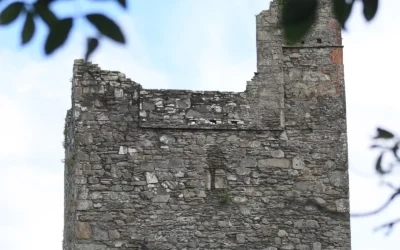
Audley’s Castle
Audley's Castle: The Free Tower House Above Strangford Lough, Where Game of Thrones Arrived In the first season of Game of Thrones, the fields and approaches to Castle Ward became Winterfell — the ancestral seat of the Starks. The fields around Audley's...
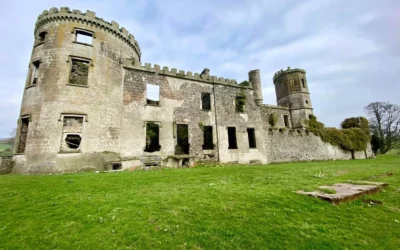
Kilwaughter Castle
Kilwaughter Castle: John Nash's Antrim Ruin, Declared Enemy Property in the Second World War In 1803, John Nash — the architect who designed Regent Street, remodelled Buckingham Palace and built the Royal Pavilion at Brighton — came to County Antrim and...
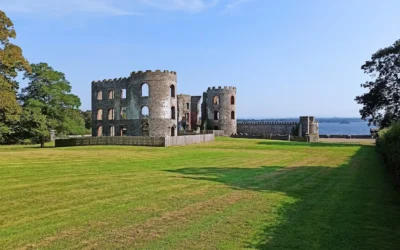
Shane’s Castle
Shane's Castle: The O'Neill Estate on Lough Neagh, Touched by John Nash and Twice Burned In 1809, John Nash — the architect who designed Regent Street, Carlton House Terrace and remodelled Buckingham Palace for George IV — began redesigning a castle on the...
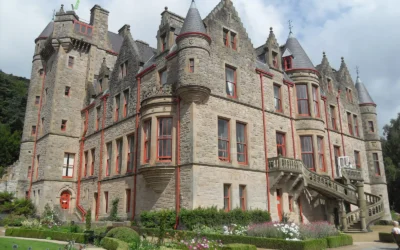
Belfast Castle
Belfast Castle: The Free Victorian Castle Above the City, with Nine Hidden Cats The legend says the castle will be safe — or its residents will have good fortune — as long as a white cat lives within its walls. The castle's response to this piece of local...
Gosford Castle
Gosford Castle: Ulster's Largest Listed Building — and Game of Thrones' Riverrun When Robin Fedden of the National Trust surveyed Gosford Castle in 1952, he described it as "one of the most original buildings of its time" and noted that it had...