
Balmoral Castle
Balmoral Castle: A Highland Paradise Above the Dee, the Royal Family's Most Private Home
Queen Victoria called it "my dear paradise in the Highlands." She and Prince Albert had searched the Highlands for the right estate; when they found Balmoral in 1848, they knew immediately. Albert purchased it in 1852, demolished the original house that was too small, and oversaw the construction of a new castle in the Scottish Baronial style — completed in 1856.
Victoria spent as much time here as any other single place in her long reign. Every monarch since has come to Balmoral in summer, and the tradition of the Royal Family's Highland gathering has continued for over 170 years.
Balmoral Castle is a working estate of 53,684 acres in Royal Deeside, Aberdeenshire, surrounding the valley of the River Dee with grouse moors, forestry, farmland and herds of deer, Highland cattle and ponies. It is privately owned by the Royal Family — not a National Trust property — and is their personal, private summer residence.
The castle itself opens to visitors each spring, closing when the Royal Family arrives for their summer stay in early August. For the first time since the castle was completed in 1856, small-group guided interior tours are now available, giving an unprecedented glimpse into the rooms that Victoria and every subsequent monarch has used. This guide covers everything you need to plan your visit.
Where Is Balmoral Castle?
Balmoral Castle is in Crathie, Aberdeenshire, on the south bank of the River Dee, approximately 50 miles west of Aberdeen and 9 miles west of Ballater. From Aberdeen, take the A93 west through Royal Deeside; the castle gates are at Crathie. The journey from Aberdeen takes around one and a half hours. On-site parking is available.
Public transport options involve taking a train or bus to Aberdeen, then a bus to Ballater (approximately 9 miles from the castle); from Ballater, a taxi covers the final stretch.
A Brief History of Balmoral Castle
The land at Balmoral has royal associations that predate Victoria's ownership by centuries. King Robert II of Scotland maintained a hunting lodge in the area, and a house has stood on the estate since at least the 14th century. By the 16th century it was in the hands of the Gordon family, and later the Farquharsons — a Jacobite family involved in both the 1715 and 1745 risings. The estate was leased to the Royal Family in 1848 and purchased outright by Prince Albert in 1852.
The original house was considered too small for royal use. Prince Albert, who had strong architectural opinions, worked closely with local architect William Smith to design the new castle, incorporating his own ideas throughout — crow-stepped gables, dormer windows, and distinctive "pepper pot" turrets inspired by Scottish Baronial and 16th-century French château precedents, all executed in granite quarried from the Invergelder quarry on the estate. The castle was completed in 1856 and the old building demolished.
Victoria spent more time at Balmoral than almost anywhere else, particularly in the decades after Albert's death in 1861, when the Highlands provided the privacy and peace she sought. Her close relationship with her servant John Brown, who became her constant companion at Balmoral after Albert died, has been the subject of fascination and speculation ever since.
Queen Elizabeth II maintained the tradition with equal devotion — she spent each summer here from her childhood onwards, and on 8 September 2022, she passed away at Balmoral, having returned there for what proved to be the final time.
The remarkable thing about Balmoral is its unbroken continuity as a genuinely private family home. Unlike almost every other royal palace in Britain, it is not state property but the personal possession of the sovereign, bought with personal funds and maintained accordingly. Its privacy — and the fact that it has been closed to visitors for the greater part of its existence — is intrinsic to what it is.
Architecture & Design
Balmoral is a Scottish Baronial castle in pale granite, Prince Albert's vision of a romantic Highland house realised in the local stone of the Dee valley. The castle is arranged in two main blocks around courtyards — the southwestern block housing the principal rooms, the northeastern containing service areas. The most prominent exterior feature is the 80-foot clock tower at the southeast corner, topped with turrets and visible from a considerable distance down the valley.
Albert's Germanic orderliness gives Balmoral a slightly different character from the wilder Scots Baronial compositions of his contemporaries — more controlled, more symmetrical, more domestic in its proportions than a purely defensive model would suggest.
Inside, the castle's principal rooms are furnished with the Highland textile tradition that Victoria and Albert established: Balmoral tartan (designed specifically for the estate), tartan carpets, antler furnishings and the accumulated objects of 170 years of royal occupation. The 45-acre gardens include the Thistle Maze, Queen Mary's Garden with its sunken fountain, and a Jubilee Conservatory added for Queen Elizabeth II's Golden Jubilee. The organic kitchen gardens supply the estate restaurant.
Legends & Lore
Balmoral's principal ghost tradition involves John Brown, Queen Victoria's Highland servant and, in her later years, her closest companion. After his death in 1883, Brown's spirit is said to wander the castle corridors in his traditional kilt — a presence reportedly sensed by subsequent members of the Royal Family. These stories are told as part of the estate's long lore rather than as documented fact, but given the intensity of Victoria's relationship with Brown and the devotion with which she preserved his memory, the tradition sits naturally at Balmoral.
The castle's screen connections are the more verifiable part of its cultural legacy. The television series The Crown explored Balmoral in some depth — particularly in episodes dealing with the "Balmoral Test," the informal assessment that new partners of the Royal Family were said to face during the Highland gathering. The estate has appeared in numerous documentaries and news broadcasts over the decades, but The Crown gave it a sustained fictional treatment that introduced the castle to a global audience.
Visiting the Castle
Visiting window: Balmoral opens to visitors from spring each year and closes in early August when the Royal Family arrives for their summer stay. This means the visiting season is approximately April to early August. Check the official website for current-year dates, as these vary slightly.
The visit includes the castle gardens and exhibitions on general admission, and — for the first time since the castle was completed in 1856 — guided interior tours of select rooms for small groups. These tours are limited to around ten people per group and give access to rooms that have been part of royal life for over 170 years; they sell out very quickly and should be booked in advance as soon as they become available.
Beyond the castle, the estate offers Land Rover expedition tours through the Deeside landscapes, wildlife spotting for red deer and Highland cattle, and access to Loch Muick for walking. The ballroom hosts seasonal exhibitions, and the estate restaurant and café serve organic produce from the estate gardens. A gift shop, the Mews Gift Shop, offers souvenirs.
Photography policies should be confirmed with staff, as restrictions apply in the guided interior tours.
Check Tickets & Tour Times for Balmoral Castle →
For current opening dates, tour availability and prices, check the official Balmoral Castle website before you travel — interior tours sell out well in advance.
Where to Stay Near Balmoral Castle
Balmoral Castle does not offer visitor accommodation. The town of Ballater, 9 miles east, is the traditional Royal Deeside base — a Victorian spa town with a range of hotels and guesthouses, including some with long royal associations. Braemar, 7 miles west, is smaller but charming and well positioned for the surrounding Cairngorms landscape.
Find Hotels & Stays in Ballater →
The Best Time to Visit
May and June are the finest months at Balmoral — the garden is at its most vibrant, the castle is open, the days are long and the Cairngorms National Park surrounding the estate is spectacular. July sees the season approaching its end; the castle closes to visitors in early August when the Royal Family arrives, so confirming opening dates before planning a late-July visit is important.
April opens the season and is quieter; it also gives the best chance of securing one of the limited interior tour places before they sell out. Interior tour availability should be checked and booked as early as possible — they are limited to very small groups and are in very high demand.
How to Get There
By car. From Aberdeen, take the A93 west through Banchory, Aboyne and Ballater to Crathie; on-site parking is available. From Edinburgh allow around two and a half hours; from Inverness around one and a half hours via the A9 and A93.
By public transport. Trains and buses from Aberdeen reach Ballater; from Ballater, taxis cover the 9 miles to the castle. Bus services within Royal Deeside are limited — confirm timetables before travelling.
Compare Transfers & Local Transport in Royal Deeside →
Nearby Attractions
Royal Deeside is one of the finest scenic and heritage corridors in Scotland.
| Attraction | Why Visit | Distance |
|---|---|---|
| Crathie Kirk | The Royal Family's church when in residence — historic connections dating to the 9th century, Victoria worshipped here regularly | ~1 mile |
| Loch Muick | A dramatic, remote loch on the Balmoral estate — superb walking and wildlife, red deer and golden eagles | ~5 miles |
| Braemar Castle | A compact whitewashed tower house with Jacobite connections and outstanding Highland views | ~7 miles |
| Ballater & Old Royal Station | A charming Royal Deeside town with Victorian architecture and the restored royal railway station | ~9 miles |
| Craigievar Castle (NTS) | Scotland's iconic pink tower house — our separate guide covers it fully | ~26 miles |
A natural Royal Deeside day pairs Balmoral with Crathie Kirk, Loch Muick and an evening in Ballater — the full experience of what the Royal Family has always loved about this valley.
Browse Royal Deeside & Cairngorms Tours →
Family & Accessibility
Families. Balmoral is excellent for older children and teenagers with an interest in royal history, wildlife or Highland landscape. The Land Rover tours, the wildlife of the estate (red deer, Highland cattle, red squirrels) and the scale of the landscape make it a rewarding outdoor experience. Interior tour groups are small and may not suit very young children.
Accessibility. The estate strives to accommodate all visitors — check the official website for current accessibility information before planning your visit. Dogs are welcome on the estate grounds on leads.
Practical Tips
- Book interior tours as early as possible — they are limited to approximately ten people per group and sell out weeks or months in advance. Check the official website for availability as soon as dates are released.
- Confirm the closing date before you travel — the castle closes in early August each year when the Royal Family arrives. The exact date varies and is confirmed on the official website.
- Wear comfortable walking shoes with grip — the estate grounds involve walking on grass, gravel and uneven Highland terrain.
- Pack a waterproof walking jacket; Royal Deeside weather can be changeable even in summer.
- Bring a portable power bank for a full day of photography across the estate.
- Overseas visitor? Pack a UK travel adapter for Type G plugs.
Conclusion
Balmoral Castle is private in a way that few places associated with British royalty are: privately owned, personally loved, closed to the public for most of the year and the setting for some of the most intimate moments in the recent history of the Royal Family. Queen Victoria called it her dear paradise and came back every year for fifty years.
Queen Elizabeth II continued the tradition for seventy years more, and spent her final days here in 2022. The guided interior tours now available for the first time since 1856 offer something genuinely unprecedented — a glimpse into the rooms where this history has been lived. Book early.
Frequently Asked Questions
When is Balmoral Castle open to visitors?
The castle and gardens are open from spring (around April) until early August each year, when the Royal Family arrives for their Highland summer stay. The exact closing date varies — check the official Balmoral Castle website before planning your visit.
How much does it cost to visit Balmoral Castle?
General admission fees vary by age. Guided interior tours are priced separately and significantly higher than general admission. Check the official website for current prices — interior tours sell out quickly and should be booked as far in advance as possible.
Can I visit the inside of Balmoral Castle?
Yes — for the first time since the castle was completed in 1856, small-group guided interior tours are now available, limited to around ten people. These are extremely popular and sell out well in advance. Book as early as possible via the official website.
Who owns Balmoral Castle?
Balmoral is privately owned by the Royal Family — not a National Trust or state property. It was purchased personally by Prince Albert in 1852 and has been handed down through the Crown ever since.
Is Balmoral Castle where Queen Elizabeth II died?
Yes — Queen Elizabeth II passed away at Balmoral Castle on 8 September 2022, having returned to the estate for the summer as she had done throughout her life.
What is The Crown's Balmoral connection?
The television series The Crown depicted Balmoral as the setting for the so-called "Balmoral Test" — the informal process by which new partners of the Royal Family were assessed for suitability during the annual Highland gathering. The castle features in several episodes across the series.
Are dogs allowed at Balmoral Castle?
Yes — dogs are welcome on the estate grounds on leads.
Is there food at Balmoral Castle?
The estate restaurant and café serve dishes made from organic produce grown in the estate gardens. The Mews Gift Shop offers souvenirs.
How far is Balmoral Castle from Aberdeen?
Approximately 50 miles west, along the A93 through Royal Deeside. Allow around one and a half hours by car.
Is Balmoral Castle in the Cairngorms National Park?
Yes — the estate is within the Cairngorms National Park, the largest national park in Britain, which encompasses the Highland landscape surrounding Royal Deeside.
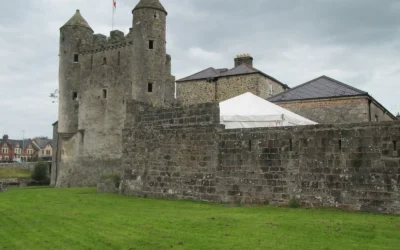
Enniskillen Castle
Enniskillen Castle: The Maguire Clan's Lough Erne Fortress, Home to Two Museums Hugh Maguire built his castle at Enniskillen around 1428. His nickname — 'the Hospitable' — suggests a lord who understood the politics of generosity as well as the politics...
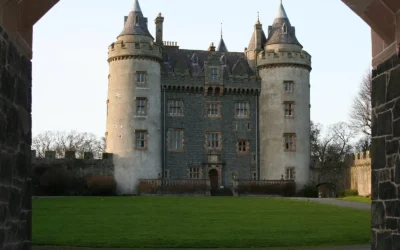
Killyleagh Castle
Killyleagh Castle: Ireland's Oldest Inhabited Castle, Above Strangford Lough Sir Hans Sloane was born in Killyleagh in 1660. The physician, naturalist and collector who grew up in this County Down village on the shore of Strangford Lough went on to assemble a...
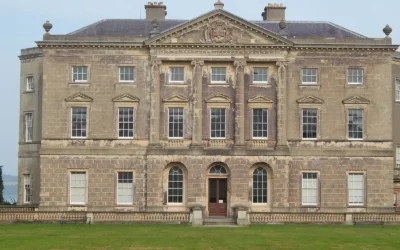
Castle Ward
Castle Ward: The House That Couldn't Agree on a Style — and Became Winterfell Bernard Ward, 1st Viscount Bangor, and his wife Lady Ann Bligh could not agree on what kind of house they wanted to build at their County Down estate in the 1760s. He wanted classical...
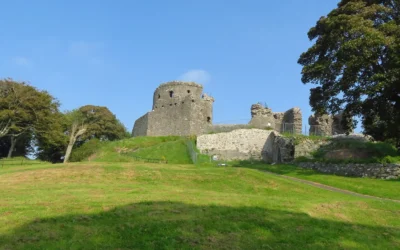
Dundrum Castle
Dundrum Castle: Where John de Courcy's Norman Ulster Meets the Mourne Mountains In 1177, the same year that John de Courcy built Carrickfergus Castle on Belfast Lough, he also established a fortress on a rocky hill above Dundrum Bay in County Down. The two...
Glenarm Castle
Glenarm Castle: Six Centuries of the McDonnell Earls, Among the Glens of Antrim In the 1920s, a fire broke out at Glenarm Castle — allegedly started in an attempt to keep the 11th Earl of Antrim's featherless parrot warm. The castle had to be substantially...