
Arundel Castle
Arundel Castle: 850 Years of the Dukes of Norfolk Above the River Arun
In the 14th-century Fitzalan Chapel, among the tombs and effigies of the Howard family who have kept Arundel since the 16th century, were once kept the personal possessions of Mary, Queen of Scots — including the rosary beads she carried to her execution.
The Howards had sheltered and supported the English Catholic cause through centuries when that meant danger, and the objects they preserved reflected it. In 2021, those rosary beads were stolen in a break-in, and their loss made headlines around the world — a reminder of how much genuine, irreplaceable history lives in a castle that has been in one family's continuous care since 1138.
Arundel Castle has stood on its hill above the River Arun in West Sussex since its founding by Roger de Montgomery in 1067. The Norman keep survives. The medieval gatehouse survives. The Fitzalan Chapel survives.
And over it all rises the dramatic Gothic Revival skyline created by the 15th Duke of Norfolk in the 1870s and 1880s, who transformed the medieval fortress into one of the most ambitious Victorian castle restorations in England. The Howard family — Dukes of Norfolk — are still here, still the custodians, still opening the castle to visitors each season. This guide covers everything you need to plan your visit.
Where Is Arundel Castle?
Arundel Castle is in the town of Arundel, West Sussex, just off the A27, overlooking the River Arun and the South Downs National Park. It is approximately 60 miles south of London, roughly an hour and a quarter by car or by direct train. Arundel railway station, served by Southern Rail with connections to London Bridge and Victoria as well as Chichester and Brighton, is a ten-minute walk from the castle. A pay-and-display car park is located opposite the main entrance on Mill Road.
A Brief History of Arundel Castle
The first castle was founded here in 1067 by Roger de Montgomery, one of William the Conqueror's most powerful commanders, as part of the network of Norman fortifications consolidating control of southern England. The castle passed through several noble families — the d'Aubignys and the FitzAlans — before passing to the Howard family in the 16th century when Thomas Howard, 4th Duke of Norfolk, inherited through marriage. The Howards have held it ever since, making Arundel one of the longest-held great houses in England.
The castle's most turbulent period came during the English Civil War, when Parliamentary forces besieged and significantly damaged it in 1643-44. It remained in a state of partial ruin until the late 18th and early 19th centuries, when successive Dukes began the work of restoration. The most dramatic intervention came between the 1870s and 1890s, when the 15th Duke of Norfolk undertook an enormous Gothic Revival rebuilding programme — raising the towers, restoring the state rooms to their present magnificence and giving the castle its current skyline, one of the most striking in Sussex.
The remarkable thing about Arundel is the unbroken continuity of Howard family ownership and its association with English Catholicism at its most difficult and dangerous. Through the years when Catholics faced real persecution — when a Duke of Norfolk might face execution for their faith — the family maintained their position as England's premier Catholic dukes. The chapel, the possessions of Mary Queen of Scots, the centuries of quiet resistance: all of it is embedded in the same stones that visitors walk through today.
Architecture & Design
Arundel's architecture spans nine centuries. The Norman keep at the castle's heart dates from the 11th century and forms the oldest surviving structure on the site. The medieval gatehouse and barbican add further layers of genuine medieval fabric. Over these original elements, the Gothic Revival rebuilding of the 1870s and 1890s laid the castle's dramatic current appearance: soaring spires, intricate stonework and grand scale that makes Arundel one of the most photographed castle profiles in the south of England.
Inside, the state rooms contain one of the finest private art collections in England — works by Van Dyck, Gainsborough and Canaletto hang in rooms furnished with the accumulated treasures of the Howard family across centuries. The Fitzalan Chapel, built in the 14th century and serving as the Howard family's private place of worship, contains medieval effigies and tomb monuments of extraordinary quality. The gardens, developed and transformed in recent decades, feature formal layouts including the English Rose Garden, water gardens and wildflower meadows alongside seasonal flower festivals that have brought the grounds widespread recognition.
Legends & Lore
Arundel Castle's ghost stories are attached to its oldest and most dramatic elements. According to local tradition, the spirit of Roger de Montgomery — founder of the castle — is said to roam the grounds, a protective presence that is not always benign when disturbed. A white owl is part of the castle's folklore: tradition holds that when a white owl appears at a castle window, it presages the death of one of its residents, a legend that has been told for generations.
A sorrowful female figure is also reported at Hiorne's Tower in Arundel Park — one of the castle's more atmospheric outlying structures. These tales are presented as local folklore rather than documented fact, but they sit naturally in a castle of this age, this history and this character.
The screen connections are more recent and entirely verifiable. Arundel Castle has been used as a filming location for The Crown and Bridgerton, its Gothic Revival grandeur and its grounds providing settings that feel both authentically historical and visually compelling. Few castle locations in southern England have served television so well, and the combination of genuine medieval and Victorian fabric gives Arundel a flexibility that purpose-built sets cannot match.
Visiting the Castle
Arundel is open seasonally from spring to early autumn, Tuesday to Sunday. The visit takes in the state rooms — the main sequence of grand rooms containing the Howard family's remarkable art collection, the tapestries and the period furniture accumulated over centuries — and the Norman keep, which offers outstanding views over the town, the River Arun and the South Downs.
The Fitzalan Chapel, tucked against the castle wall, is one of the finest medieval private chapels in England and rewards careful attention; it was here that some of the castle's most treasured objects — including the personal possessions of Mary, Queen of Scots — were once kept.
Outside, the award-winning gardens are a significant attraction in their own right. The English Rose Garden, the Allium Extravaganza in early summer and the Tulip Festival in April each draw visitors specifically for those seasonal events; the water gardens and wildflower meadows offer a quieter complement. The castle stages a lively seasonal events programme including the Medieval Festival with jousting and costumed characters, and interactive experiences including period costume dressing. Guided tours by knowledgeable staff run throughout the season.
The castle has a café, coffee shop and Garden Tea Terrace serving sandwiches, cakes and hot food. Picnics are permitted in the grounds — visitors are asked to take their rubbish home. There is a gift shop. Check the photography policy with staff on the day.
Check Tickets & Tour Times for Arundel Castle →
Check the official Arundel Castle website for the current season's opening dates, times and prices before you travel.
Where to Stay Near Arundel Castle
Arundel Castle does not offer visitor accommodation. The town of Arundel itself is a charming South Downs market town with a good range of independent hotels, inns and bed and breakfasts, several within easy walking distance of the castle. Staying in Arundel allows early morning access to the town before the day-trippers arrive, and the streets of independent shops, galleries and cafés reward unhurried exploration.
For a wider choice, Chichester (12 miles west) and Brighton (25 miles east) are both easily reached by train from Arundel station and offer a much larger range of accommodation.
Find Hotels & Stays in Arundel →
The Best Time to Visit
Spring (April to May) is outstanding at Arundel — the Tulip Festival fills the gardens, the South Downs are at their most vivid green and the castle is busy but not overwhelmed. The Medieval Festival, held in late spring, is one of the finest of its kind in Sussex and worth timing a visit around. Summer (June to August) brings the Allium Extravaganza and the full events programme, the longest days for exploring the grounds and the best weather for the South Downs; arrive early and book ahead for the busiest event weekends.
Autumn (September to October) is quieter and atmospheric, with the gardens at their final colour before the season closes in early November. The castle does not open in winter — it operates a seasonal schedule from spring to autumn, so check the official opening dates before planning travel.
How to Get There
By train. Arundel station is a ten-minute walk from the castle, with Southern Rail services to London Bridge (around 1h 30m), London Victoria (around 1h 25m) and connections to Brighton and Chichester.
By car. Take the A27 to Arundel; the castle is well signposted from the main road. A pay-and-display car park is on Mill Road opposite the entrance.
On foot. The South Downs Way long-distance path passes approximately four miles from Arundel — the castle makes an ideal destination for a day walk from the trail, with the town below offering food, transport and accommodation.
Compare Transfers & Local Transport in West Sussex →
Nearby Attractions
Arundel sits in one of the finest parts of the south of England for heritage and landscape.
| Attraction | Why Visit | Distance |
|---|---|---|
| Arundel Cathedral | A striking Gothic Revival Catholic cathedral — the architectural companion to the castle across the town | ~0.3 miles |
| South Downs National Park & Way | World-class walking along the chalk ridge — the views from the Downs above Arundel are among the finest in Sussex | ~1 mile |
| Petworth House & Park (National Trust) | One of England's finest country houses — a magnificent art collection including Turner, Van Dyck and Gainsborough, in a landscaped Capability Brown deer park | ~12 miles |
| Goodwood Estate | Horse racing, motor racing and events at one of England's most celebrated sporting estates | ~5 miles |
| Chichester Cathedral | A magnificent Norman and Gothic cathedral in a compact Roman-grid city | ~12 miles |
A natural day out pairs Arundel Castle with a walk on the South Downs above the town and a wander through Arundel's independent shops; with longer to spare, Petworth House and its extraordinary art collection make an excellent continuation.
Browse West Sussex & South Downs Tours →
Family & Accessibility
Families. Arundel is a highly rewarding family castle. The Medieval Festival with jousting, the period costume experiences, the Norman keep with its views and the event-filled seasonal calendar make it one of the best family castle visits in the south of England. The gardens are spacious and give children room to roam between attractions.
Accessibility. The castle's accessibility arrangements are not fully documented in public-facing information. Visitors with mobility concerns are strongly advised to contact the castle in advance to discuss arrangements and plan their route. Note that prams and pushchairs must be left in a designated buggy park for conservation reasons. Assistance dogs are welcome. Photography policies vary by area — check with staff on arrival.
Practical Tips
- Book tickets online in advance, especially for the Medieval Festival, Tulip Festival and Allium Extravaganza weekends — these events draw large numbers and sell out.
- Arrive early — the state rooms and the Norman keep are quietest in the first hour of opening, before coach groups arrive mid-morning.
- Wear comfortable walking shoes — the castle grounds involve uneven historic surfaces, steps and a substantial amount of walking.
- Pack a compact travel umbrella; West Sussex weather is unpredictable and much of the gardens experience is outdoors.
- Bring a portable power bank for a full day of photography across the castle and grounds.
- Walk the South Downs above the town before or after your castle visit — the view of Arundel Castle from the Downs is one of the finest in Sussex.
- Overseas visitor? Pack a UK travel adapter for Type G plugs.
Conclusion
Arundel Castle has been in the Howard family for nearly five centuries and in some form on this hill above the River Arun for nearly a thousand years. The rosary beads of Mary, Queen of Scots once rested in its chapel; the state rooms contain works by Van Dyck and Gainsborough; and the gardens, painstakingly developed in recent decades, have won national recognition for their seasonal beauty.
The Gothic Revival skyline above the South Downs is one of the most distinctive in England, and the combination of genuine medieval fabric, Victorian grandeur and ongoing family stewardship gives Arundel a character that feels lived-in and authentic rather than merely preserved. It is one of the finest castle visits in the south of England, and the South Downs at the gate make it finer still.
Frequently Asked Questions
When is Arundel Castle open?
The castle operates seasonally from spring to early autumn, typically April to October or early November, Tuesday to Sunday. Check the official website for the current season's exact dates.
How much does it cost to visit Arundel Castle?
Ticket prices vary by age and by whether you visit the gardens only or the castle and gardens together. Check the official website for current prices; online booking is recommended, especially for event weekends.
What are the must-see highlights inside Arundel Castle?
The state rooms and their art collection (Van Dyck, Gainsborough, Canaletto), the Norman keep with its views over the South Downs and River Arun, and the 14th-century Fitzalan Chapel with its medieval tombs.
What happened to the relics of Mary Queen of Scots at Arundel?
The castle held personal possessions of Mary, Queen of Scots, including the rosary beads she carried to her execution. These were among items stolen in a 2021 break-in that made international news, highlighting the irreplaceable significance of the collection.
Is Arundel Castle suitable for children?
Yes — the Medieval Festival with jousting, the period costume activities, the Norman keep and the spacious gardens all work well for families. The seasonal events programme makes it particularly rewarding to visit during a festival.
Is there food at Arundel Castle?
The castle has a café, coffee shop and Garden Tea Terrace serving sandwiches, cakes and hot food. Picnics are welcome in the grounds.
Are dogs allowed at Arundel Castle?
Assistance dogs are welcome. Check the current policy for the grounds before bringing a dog.
How do I get to Arundel Castle?
By train on Southern Rail to Arundel station (a ten-minute walk from the castle), with connections from London Bridge, London Victoria, Brighton and Chichester. By car via the A27, with a pay-and-display car park on Mill Road.
Does Arundel Castle appear in any TV shows or films?
Yes — the castle has been used as a filming location for The Crown and Bridgerton, among other productions.
What is the South Downs connection?
The South Downs National Park begins immediately behind the castle, and the South Downs Way long-distance footpath passes around four miles from Arundel. The view of the castle and town from the Downs is one of the finest in Sussex.
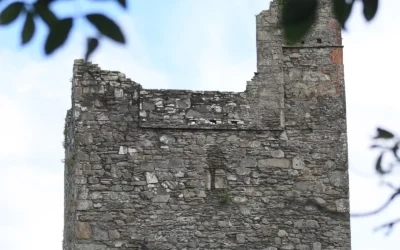
Audley’s Castle
Audley's Castle: The Free Tower House Above Strangford Lough, Where Game of Thrones Arrived In the first season of Game of Thrones, the fields and approaches to Castle Ward became Winterfell — the ancestral seat of the Starks. The fields around Audley's...
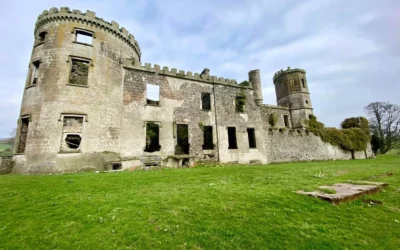
Kilwaughter Castle
Kilwaughter Castle: John Nash's Antrim Ruin, Declared Enemy Property in the Second World War In 1803, John Nash — the architect who designed Regent Street, remodelled Buckingham Palace and built the Royal Pavilion at Brighton — came to County Antrim and...
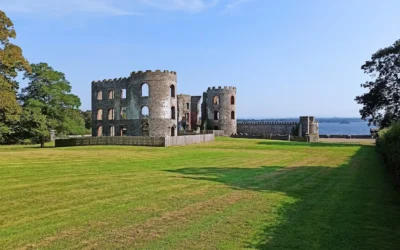
Shane’s Castle
Shane's Castle: The O'Neill Estate on Lough Neagh, Touched by John Nash and Twice Burned In 1809, John Nash — the architect who designed Regent Street, Carlton House Terrace and remodelled Buckingham Palace for George IV — began redesigning a castle on the...
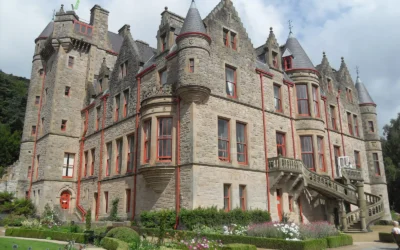
Belfast Castle
Belfast Castle: The Free Victorian Castle Above the City, with Nine Hidden Cats The legend says the castle will be safe — or its residents will have good fortune — as long as a white cat lives within its walls. The castle's response to this piece of local...
Gosford Castle
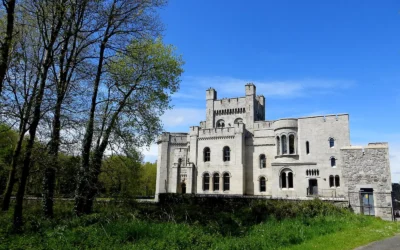
Gosford Castle: Ulster's Largest Listed Building — and Game of Thrones' Riverrun When Robin Fedden of the National Trust surveyed Gosford Castle in 1952, he described it as "one of the most original buildings of its time" and noted that it had...