
Westminster Abbey
Westminster Abbey London | Everything You Need to Know
Some buildings carry the weight of history quietly. Westminster Abbey carries it like no other. Step through its doors and you are walking the same stone floors trodden by every English and British monarch since William the Conqueror — a thousand years of coronations, royal weddings, state funerals and silent prayer compressed into a single extraordinary place. Poets, scientists, statesmen and kings are buried beneath your feet, their names carved into every surface.
It is a UNESCO World Heritage Site, an active place of Christian worship and one of the most visited buildings in the world — yet nothing quite prepares you for the moment you stand inside for the first time. The scale is breathtaking, the detail astonishing, and the sense of accumulated history unlike anything else London has to offer. This guide covers everything you need to know before you go.
Where Is Westminster Abbey?
Westminster Abbey is located at 20 Dean’s Yard, London, SW1P 3PA, in the heart of the City of Westminster. It sits directly beside the Houses of Parliament and Big Ben, with Buckingham Palace a comfortable fifteen-minute walk through St James’s Park, and Trafalgar Square about ten minutes in the other direction.
The setting alone is remarkable — this corner of London contains a greater concentration of historic and political significance than almost anywhere else in Britain. For navigation, any map app will find it immediately. The North Door entrance, which is the main visitor entrance, faces onto Parliament Square.
Opening Hours
Westminster Abbey is a working church as well as a visitor attraction, which means opening hours are structured around services and occasional private events.
- Monday – Friday: 9:30 am – 3:30 pm (last entry)
- Saturday: 9:00 am – 3:00 pm (last entry)
- Sunday: Open for worship services only — not available for general visits
- Wednesday evenings: Extended hours until 6:00 pm for individual visitors only
The Wednesday evening opening is a genuine insider tip — fewer crowds, a calmer atmosphere, and the same extraordinary building. Hours can be affected by services, state occasions or private events, so checking the official website before you travel is always worthwhile.
How to Get to Westminster Abbey
Westminster’s central location means it is straightforward to reach from almost anywhere in London.
By Underground. Westminster station (Jubilee, District and Circle lines) is the closest stop, a short walk directly to the Abbey. St James’s Park station (District and Circle lines) is also nearby for those approaching from Victoria.
By rail. London Victoria and London Waterloo stations are both roughly 0.8 miles away — a pleasant walk through either St James’s Park or along the Embankment.
By bus. Several routes stop near Parliament Square, Victoria Street and Great Smith Street. The TfL journey planner will find the best option from wherever you’re starting.
By car. Parking in central Westminster is limited and expensive. The most practical nearby options are Q-Park Westminster or pre-booked spaces via JustPark. For most visitors, public transport is the considerably simpler choice.
On foot. If you’re coming from the South Bank, crossing Westminster Bridge offers one of London’s great walks — with the Abbey towers visible ahead as you approach. From Trafalgar Square, a ten-minute stroll through the heart of Whitehall brings you straight there.
Compare Transfers & Local Transport in London →
The Best Time to Visit
Timing your visit thoughtfully makes an enormous difference to the experience.
Weekday mornings, particularly Tuesday to Thursday before tour groups arrive, offer the quietest conditions. Arriving at opening time means you have the nave largely to yourself — which, in a building of this scale and atmosphere, is something worth experiencing. Late afternoons on weekdays are similarly peaceful.
Wednesday evenings stand apart from everything else. The extended opening until 6:00 pm is reserved for individual visitors rather than groups, which creates a remarkably serene atmosphere. If you can only visit once, this is the session to choose.
Peak tourist season (June through August) and school holidays bring the heaviest crowds. Spring and autumn are ideal — the light through the stained glass is extraordinary in autumn particularly, and visitor numbers are much more manageable. As an entirely indoor attraction, Westminster Abbey is an excellent choice for grey or rainy days.
Tickets and Costs
Westminster Abbey charges for admission, with the ticket including a multimedia guide in 14 languages plus British Sign Language — an excellent resource given the depth of history on display.
| Category | Price | Notes |
|---|---|---|
| Adults | £30 | Includes multimedia guide |
| Seniors (65+) and Students | £27 | Includes multimedia guide |
| Children (6–17 years) | £13 | Includes multimedia guide |
| Children (under 6) | Free | |
| Family (1 adult + 1 child) | £30 | Includes multimedia guide |
| Registered Disabled Visitors | Free | Carer also free; book on-site |
| Queen’s Diamond Jubilee Galleries | £5 extra | Free for under-17s |
A few ways to reduce the cost: the National Rail 2FOR1 offer allows two adults in for £30 total with a valid rail ticket, which is excellent value. London Pass holders gain entry from 1:00 pm, subject to availability. Tickets bought through the official Westminster Abbey website can also be upgraded to an annual pass covering three visits within a year at no extra charge — worth knowing if you plan to return.
Advance booking is strongly recommended, particularly between June and September when availability can be tight. Tickets are available online or at the North Door on arrival, though walk-up availability is not guaranteed during busy periods.
Check Tickets & Skip-the-Line Options →
What to Expect Inside
Westminster Abbey is not a museum — it is a living church in which nearly every surface carries meaning. Allow yourself time to look properly.
Poets’ Corner, in the South Transept, is where more than 100 of Britain’s greatest writers are commemorated. Geoffrey Chaucer, who was buried here in 1400, was the first; later additions include William Shakespeare, Jane Austen, Charles Dickens and Thomas Hardy. Standing in this space is a genuinely affecting experience.
The Coronation Chair sits in the Nave — a throne crafted in 1296 that has been used in every English and British coronation since 1308. Beneath the seat sits the Stone of Scone, used in Scottish coronations for centuries before being incorporated into the English ceremony. This is not a replica. This is the actual chair.
The Lady Chapel, at the eastern end of the Abbey, contains one of the most spectacular examples of fan-vaulted Gothic architecture anywhere in the world. The ceiling alone justifies the ticket price.
The Royal Tombs include the burial sites of Elizabeth I, Mary Queen of Scots, and Henry V among many others, alongside scientists and thinkers including Isaac Newton and Stephen Hawking.
The Unknown Warrior, near the West Door, is among the most moving memorials in Britain — a single unidentified soldier, returned from the First World War and buried here among kings.
The Queen’s Diamond Jubilee Galleries, accessible for an additional £5 (free for under-17s), occupy the medieval triforium high above the nave and house a remarkable collection of royal artefacts. The views down into the Abbey from this height are alone worth the extra cost.
A multimedia guide is included with all standard tickets and provides rich context at each point of interest. For something more personal, verger-led tours (£20 for adults, £8 for children) provide access to areas not open to general visitors, including the Shrine of St Edward the Confessor. These are bookable in advance and genuinely recommended.
Plan for at least one and a half to two hours, though those who linger properly will want longer. On-site facilities include a café in the atmospheric Cellarium (one of the Abbey’s original monastic spaces) and a gift shop with items inspired by the building’s history. Accessible restrooms are located in the Cloisters.
Browse Guided Tours & Experiences →
Safety and Accessibility
Security. Bag checks are carried out at the entrance. The interior features uneven floors and stone steps in certain areas — sensible, comfortable footwear is genuinely important here. Large bags and suitcases are not permitted inside; left luggage is available at nearby stations including Charing Cross and Victoria.
Accessibility. The North Door entrance is step-free, and wheelchairs are available on request. A hearing loop covers the main building, and a British Sign Language version of the multimedia guide is provided. Accessible toilets are located in the Cloisters and the Jubilee Galleries lobby. Some areas — including parts of the Lady Chapel — involve steps and cannot be fully accessed by wheelchair; staff can advise on the best route around these. For comprehensive accessibility information, the AccessAble guide is the most detailed resource available.
Families. Buggies are permitted, though steps in certain areas mean some sections are not accessible with them. Baby-changing facilities are in the Cloisters, and nursing is welcome throughout.
Where to Stay Near Westminster Abbey
Staying near Westminster puts you within walking distance of the Abbey, the Houses of Parliament, Buckingham Palace and St James’s Park — some of the most iconic sights in Britain, all reachable without needing the Tube. For those visiting on a city break, it’s one of the most rewarding parts of London to base yourself in.
A few neighbourhoods worth considering:
- Westminster & Victoria — the closest option, with the Abbey genuinely on your doorstep. Victoria station’s transport connections make it easy to reach any part of London, and the area has a strong range of hotels at varying price points.
- St James’s & Mayfair — a short walk north through the park, and among London’s most elegant addresses. Quieter in the evenings than tourist-heavy areas, with excellent dining nearby.
- Southbank & Waterloo — just across Westminster Bridge, with stunning views back towards the Abbey and Parliament. A slightly different pace, and often better value than the Westminster side.
Central London accommodation fills quickly around major events and summer weekends. Booking ahead, particularly for Friday and Saturday nights, is strongly advisable.
Find Hotels Near Westminster Abbey →
A Brief History of Westminster Abbey
Westminster Abbey began as a Benedictine monastery, founded in the tenth century on what was then Thorney Island — a marshy strip of land at the edge of the Thames. King Edward the Confessor rebuilt it as a royal burial church in the eleventh century, consecrating the new building in 1065. He died just days later and was buried within its walls, becoming the first of many.
King Henry III commissioned the current Gothic structure in 1245, driven by a desire to honour the memory of Edward the Confessor and to create a church worthy of royal coronations. The rebuilding continued for centuries, with each generation adding to and refining the structure. The two towers at the west front, now among the most recognisable in London, were completed only in 1745 — half a millennium after Henry III’s vision began.
Every English and British monarch has been crowned here since William the Conqueror in 1066, with just two exceptions (Edward V and Edward VIII, neither of whom were formally crowned). More than 3,300 notable figures are buried or memorialised within these walls, including Charles Darwin, George Handel and Mary Queen of Scots. The Chapter House contains Britain’s oldest surviving door, dating to around 1050 — a piece of wood that has been here since before the Norman Conquest.
A detail that surprises almost every visitor: the Stone of Scone, beneath the Coronation Chair, was brought to Westminster from Scotland in 1296. It has been present at every subsequent coronation, making it one of the most historically travelled objects in British history.
Nearby Attractions
Westminster sits at the heart of London’s most concentrated area of historic and political landmarks. Any combination of the following makes for a genuinely memorable day out.
| Attraction | Why Visit | Distance |
|---|---|---|
| Houses of Parliament & Big Ben | The seat of British democracy — guided tours available inside | Adjacent, across Parliament Square |
| Buckingham Palace | Official London residence of the monarch; Changing of the Guard on certain days | ~15-min walk through St James’s Park |
| Trafalgar Square & National Gallery | Nelson’s Column and one of the world’s great free art museums | ~10-min walk |
| London Eye | Panoramic views across the capital from the South Bank | ~10-min walk across Westminster Bridge |
| St James’s Park | One of London’s most beautiful royal parks, connecting Westminster to Buckingham Palace | Adjacent |
A natural full-day itinerary: begin at the Abbey at opening time, walk across Parliament Square to the Houses of Parliament, stroll through St James’s Park to Buckingham Palace, and finish on the South Bank with a walk across Westminster Bridge and a ride on the London Eye.
See Multiple Attractions for Less with a London Pass →
Practical Tips for Your Visit
A few things that genuinely improve the experience:
- Overseas visitor? The UK uses Type G plugs — a UK travel adapter is essential for charging your devices.
- Book in advance. Online tickets avoid queuing and guarantee entry, especially important during peak months. The website also shows upcoming closures.
- Wear comfortable shoes. The floors are uneven stone throughout, and you will cover more ground than expected.
- Dress respectfully. Westminster Abbey is an active church. Smart-casual is appropriate; very casual attire is not.
- Bring a light layer. The interior is cool even in summer — a packable lightweight jacket is worth having.
- No food or drink inside. The Cellarium Café in the grounds is available before or after your visit.
- Photography rules. Personal photography without flash is permitted. Selfie sticks and tripods are not allowed. Photography is prohibited during services.
- Video recording is not permitted anywhere inside the Abbey.
- Large bags must be left at a station left-luggage facility before arrival — Charing Cross and Victoria are both nearby.
- Consider the verger-led tour. It costs extra but includes areas not accessible on a standard visit and is led by people with deep knowledge of the building.
Frequently Asked Questions
What are the opening hours of Westminster Abbey London?
The Abbey is open Monday to Friday from 9:30 am to 3:30 pm (last entry), Saturday from 9:00 am to 3:00 pm (last entry), and Wednesday evenings until 6:00 pm for individual visitors. It is closed to general visitors on Sundays, when it is open for worship services only. Always check the official website before visiting, as hours can be affected by services and private events.
How much does it cost to visit Westminster Abbey London?
Adult tickets are £30, seniors (65+) and students pay £27, and children aged 6–17 pay £13. Children under 6 enter free. A family ticket (1 adult + 1 child) is £30. The Queen’s Diamond Jubilee Galleries cost an additional £5 (free for under-17s). All tickets include a multimedia guide. Discounts are available via the National Rail 2FOR1 offer and the London Pass.
Is Westminster Abbey suitable for children?
Yes. The multimedia guide, free entry for under-6s and the sheer drama of the building make it engaging for families. Buggies are permitted, though some areas have steps. Baby-changing facilities are available in the Cloisters.
Are there any discounts available for Westminster Abbey?
The National Rail 2FOR1 offer allows two adults entry for £30 total with a valid rail ticket. London Pass holders gain entry from 1:00 pm. Registered disabled visitors and their carers enter free. Tickets bought online can be upgraded to an annual pass for three visits within a year.
How long does a visit to Westminster Abbey take?
A standard visit takes one and a half to two hours. Those taking a verger-led tour or spending time in the Queen’s Diamond Jubilee Galleries may want to allow three hours or more.
Is photography allowed at Westminster Abbey London?
Personal photography is permitted throughout, provided no flash, selfie sticks or tripods are used. Photography during services is not allowed. Video recording is prohibited throughout the building.
Are there guided tours available at Westminster Abbey?
Yes. Verger-led tours (£20 for adults, £8 for children) cover areas not open to general visitors, including the Shrine of St Edward the Confessor. All standard tickets include a multimedia guide available in 14 languages and British Sign Language.
What’s the best way to get to Westminster Abbey from the city centre?
Take the London Underground to Westminster station (Jubilee, District or Circle lines) — the Abbey is a short walk away. Buses stopping near Parliament Square are also convenient from most central London locations.
Is Westminster Abbey wheelchair accessible?
The North Door entrance is step-free, and wheelchairs are available on request. A hearing loop and BSL multimedia guide are provided. Some areas involve steps and cannot be fully accessed by wheelchair. The AccessAble guide offers the most comprehensive accessibility information.
Are there dining options near Westminster Abbey London?
The Cellarium Café, within the Abbey’s grounds, offers dining in a beautifully preserved medieval space. Beyond the Abbey, Victoria Street, Parliament Square and the South Bank all have a wide range of cafés and restaurants to suit every budget.
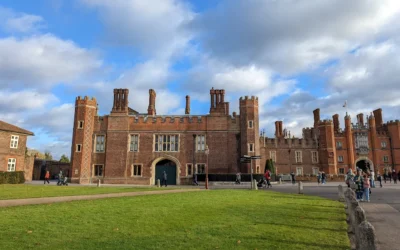
Hampton Court Palace
Hampton Court Palace | Everything You Need to Know Twelve miles south-west of central London, on the north bank of the Thames, stands a palace that encompasses the entire drama of Tudor England. Cardinal Wolsey built it. Henry VIII took it — and expanded it, feasted...
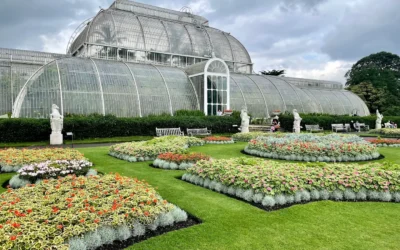
Royal Botanic Gardens Kew
Royal Botanic Gardens Kew London | Everything You Need to Know Ten kilometres south-west of central London, where the Thames curves gently through Richmond, there are 330 acres of gardens that contain more living plant species than almost anywhere else on earth. The...
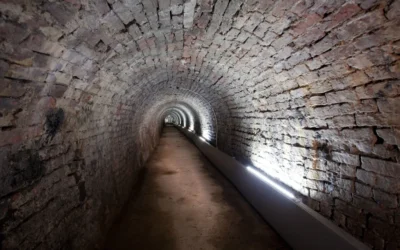
Victoria Tunnel Newcastle
Victoria Tunnel Newcastle | Everything You Need to Know Beneath the streets of Newcastle upon Tyne, 85 feet below the surface, runs a tunnel two and a half miles long. It was built in 1842 to carry coal from a colliery in Spital Tongues down to the River Tyne under...
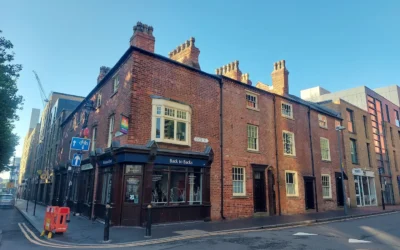
Birmingham Back to Backs
Birmingham Back to Backs | Everything You Need to Know In the middle of Birmingham, a short walk from the Bullring and New Street station, there is a court of eleven small houses built back-to-back — each one sharing a rear wall with its neighbour, facing inward onto...

The Chocolatarium Edinburgh
The Chocolatarium Edinburgh | Everything You Need to Know Just off the Royal Mile, tucked into a street in Edinburgh's historic Old Town, there is a chocolate factory. Not a large one — it's a micro-factory, intimate and handcrafted — but it takes its chocolate...