
Royal Botanic Gardens Kew
Royal Botanic Gardens Kew London | Everything You Need to Know
Ten kilometres south-west of central London, where the Thames curves gently through Richmond, there are 330 acres of gardens that contain more living plant species than almost anywhere else on earth. The Royal Botanic Gardens, Kew — universally known simply as Kew Gardens — were founded in 1759 and have been adding to their collection ever since. Today they hold over 50,000 living plants and millions of preserved specimens, and their scientific work on plant diversity, conservation and food security is conducted in partnership with researchers across the globe.
But the science is one thing. The experience is another. The Victorian Palm House — a cathedral of curved iron and glass filled with palms, banana trees and the heat of the tropics — is one of the most extraordinary interiors in Britain. The Treetop Walkway threads through the high canopy at 18 metres above the ground. The Japanese Pagoda, a ten-storey structure built in 1762, rises above the tree line of the arboretum. And throughout the year, in every season, the gardens themselves are magnificent. Kew is a UNESCO World Heritage Site, and the designation is entirely deserved. This guide covers everything you need to know before you go.
Where Is Kew Gardens?
Kew Gardens is located in Kew, Richmond, London TW9 3JR, in the London Borough of Richmond upon Thames, around ten kilometres south-west of central London. The main entrance is Victoria Gate, on Kew Road. Other entrances include Elizabeth Gate (TW9 3AE) and Lion Gate (TW9 2DF) — gates can make a significant difference to your walk, depending on what you plan to see first.
For navigation, any map app using the postcode TW9 3JR will bring you to the Victoria Gate main entrance.
Opening Hours
Kew Gardens opens daily at 10:00 AM. Closing times vary significantly by season:
- Winter (November to January): typically around 3:15 PM – 4:00 PM
- Spring and autumn: typically 5:30 PM – 6:00 PM
- Summer peak: typically 7:00 PM–8:00 PM at weekends and bank holidays
Individual glasshouses, cafés and other facilities have their own hours within the main site. As hours change frequently through the year and for special events, always check the official Kew Gardens website before visiting.
How to Get to Kew Gardens
Kew Gardens is well served by public transport and is straightforward to reach from central London.
By Underground. Kew Gardens station (District line, Zone 3) is around 500 metres from Victoria Gate — a five-to-ten-minute walk.
By train. Kew Bridge station is around 800 metres from Elizabeth Gate, served by trains from London Waterloo via Clapham Junction.
By bus. Route 65 stops near several gates, connecting to Ealing Broadway and Richmond stations. Route 110 also stops near the gardens.
By boat. Thames River Boats run from Westminster Pier to Kew Pier — a memorable and scenic approach to the gardens, with a short walk from the pier to Elizabeth Gate. Timings vary by season; check the Thames River Boats website.
By car. A pay-and-display car park is available near Brentford Gate (TW9 3AF). Disabled parking is at Elizabeth Gate. City traffic can be significant — public transport is recommended.
Compare Transfers & Local Transport in London →
The Best Time to Visit
Every season at Kew offers something distinct and worth visiting for.
Spring (March to May) brings the famous bluebell wood, cherry blossoms and the first of the major glasshouse events — widely regarded as Kew’s most spectacular season. Summer (June to August) sees the gardens in full, exuberant bloom, with longer opening hours and warm evenings. Autumn (September to November) delivers extraordinary foliage colour in the arboretum and a quieter, more contemplative atmosphere. Winter (December to January) is the season for the glasshouses — the warmth of the Palm House against a January afternoon — and for the annual seasonal events that illuminate the grounds.
Weekdays are significantly quieter than weekends throughout the year. Arriving at opening time (10:00 AM) is the best strategy at any season, especially in spring when the gardens are at their busiest.
Tickets and Costs
Kew Gardens uses seasonal pricing — peak season (broadly spring through autumn) and off-peak (winter). Online booking is consistently cheaper than purchasing at the gate and is strongly recommended.
| Category | Peak Online (approx.) | Off-Peak Online (approx.) |
|---|---|---|
| Adult | £22 | £14 |
| Child (4–15) | £6 | £5 |
| Under-4 | Free | Free |
| Young Person (16–29) | £10 | £7 |
| Family (2 adults + 1 child) | £42.50 | £28 |
| Concession (disability/65+) | £20 | £12 |
| Universal Credit/Pension Credit | £1 | £1 |
Essential companions and registered blind or partially-sighted visitors enter free. Groups of 15 or more receive a discount. The London Pass includes Kew Gardens admission. As prices are reviewed periodically, always check the official website for current rates before booking.
Book Kew Gardens Tickets in Advance →
What to Expect
Kew Gardens rewards a full day — most visitors spend three to five hours, and those who linger among the glasshouses or the arboretum easily fill the whole day.
The Palm House is the signature landmark: a vast curved glasshouse of Victorian iron and glass, completed in 1848, filled with tropical plants from the world’s rainforests. Inside, the heat, the humidity and the scale are extraordinary — tree ferns, cocoa trees, banana plants, palms of all sizes and an undergrowth of plants from the humid tropics. A spiral staircase leads to a gallery at canopy level. It is one of the great Victorian interiors.
The Princess of Wales Conservatory houses ten climate zones under one roof, from the parched desert to the tropical wet zone — cacti alongside waterlilies, orchids alongside carnivorous plants. The Treetop Walkway, 200 metres long and 18 metres above the ground, threads through the canopy of the arboretum and offers a genuinely different perspective on the landscape. The Great Pagoda, a ten-storey structure built in 1762 for Princess Augusta, is open for visits and offers views across the trees.
Browse London Botanical & Garden Tours →
Kew Palace, a compact red-brick royal residence within the gardens, tells the story of King George III and his family. The Children’s Garden is an excellent interactive space for families. The Arboretum — over 14,000 trees from around the world — is magnificent in autumn. The Kew Explorer land train runs a circuit of the gardens and is worth taking for orientation on a first visit.
Seasonal events throughout the year — the Orchid Festival in late winter/spring, special summer exhibitions and the annual winter light event — add particular draws at different times. Check the official website for the current programme.
Facilities include the Botanical Brasserie restaurant, several cafés, a gift shop, accessible restrooms and water refill stations.
Safety and Accessibility
Safety. Staff are present throughout, with clear signage at each gate and across the site.
Accessibility. The gardens are largely flat with tarmac paths, suitable for wheelchairs and strollers. Wheelchair and mobility scooter hire is available (advance booking recommended for scooters). Accessible toilets are provided near main attractions and gates. Blue Badge parking is available at Brentford Gate and Elizabeth Gate. British Sign Language tours are offered monthly. Hearing loops are at tills and counters. Essential companions and registered blind or partially-sighted visitors enter free. Guide and assistance dogs are welcome.
Families. The Children’s Garden, seasonal events and the sheer variety of the site make Kew excellent for families with children of all ages.
Where to Stay Near Kew Gardens
Kew and the surrounding Richmond area offer a very different London experience from the centre — quieter, greener and with easy Underground access back into Zone 1.
A few areas worth considering:
- Kew & Kew Green — the most immediate option, a characterful village-like area on the District line with independent cafés and the gardens on the doorstep.
- Richmond — one of south-west London’s most attractive towns, a short hop from Kew station, with excellent restaurants and Richmond Park nearby.
- Chiswick & Gunnersbury — just east along the District line, well connected and more affordable than Kew or Richmond.
Kew Gardens draws visitors year-round, with spring the busiest season — booking ahead is advisable for weekends.
Find Hotels Near Kew Gardens London →
A Brief History of Kew Gardens
Kew Gardens began in 1759 as a nine-acre botanic garden created by Princess Augusta, mother of King George III, at her estate in Kew. Under the influence of Sir Joseph Banks — naturalist, explorer and president of the Royal Society — it became a global centre for plant collection in the late 18th and early 19th centuries, introducing thousands of plant species to Britain from explorations across the world.
In 1840 the gardens were transferred to government management and opened to the public. The great Victorian glasshouses followed — the Palm House (1848), the Temperate House (1899, the world’s largest Victorian glasshouse) — and the arboretum expanded steadily through the century. Kew was designated a UNESCO World Heritage Site in 2003 in recognition of its outstanding contribution to botanical science and its extraordinary landscape.
Two facts worth knowing: Kew has its own police force — the Kew Constabulary, founded in 1845 — which patrols the gardens to this day. And the gardens hold what is believed to be the world’s oldest pot plant: a Eastern Cape cycad, brought from South Africa in 1775, still growing in the Palm House 250 years later.
Nearby Attractions
Kew’s south-west London location opens up some excellent additional destinations.
| Attraction | Why Visit | Distance |
|---|---|---|
| Richmond Park | Britain’s largest city park — red deer, ancient oaks, panoramic views of London | ~2 miles |
| Ham House | Extraordinary 17th-century mansion on the Thames, National Trust — free for members | ~3 miles |
| London Museum of Water and Steam | Historic steam engines in a Victorian pumping station | ~10-min walk |
| Musical Museum | Unique collection of automated and mechanical musical instruments | ~10-min walk |
| St Anne’s Church, Kew Green | Historic church, burial place of artist Thomas Gainsborough | ~5-min walk |
A natural pairing: Kew Gardens in the morning, lunch in Richmond, then a walk or cycle to Richmond Park for the afternoon.
See More of London with a London Pass →
Practical Tips for Your Visit
- Book online. Online tickets are consistently cheaper than at-the-gate prices — book before you travel.
- Arrive at 10:00 AM. The gardens at opening time, before the day-trippers arrive, are a different and far calmer experience.
- Wear comfortable walking shoes. 330 acres is a serious amount of ground — sturdy footwear matters.
- Pack a compact travel umbrella. London weather is famously unpredictable, and the outdoor gardens are fully exposed.
- Bring a reusable water bottle. Cafés are available but spread out — carry water for the longer stretches.
- Overseas visitor? The UK uses Type G plugs — a UK travel adapter is essential for charging your devices.
- Download the Kew app. Interactive maps, event guides and plant identification make the day significantly richer.
- Take the Kew Explorer. The land train runs a circuit of the gardens — useful for orientation on a first visit and good for tired legs later in the day.
- Photography is welcome for personal use throughout. Commercial photography requires prior permission.
Frequently Asked Questions
What are the opening hours of Kew Gardens London?
Kew Gardens opens daily at 10:00 AM. Closing times vary by season — from around 3:15 PM in midwinter to 8:00 PM on summer weekends. Check the official Kew Gardens website for current hours before visiting.
How much does it cost to visit Kew Gardens London?
Adult online tickets are around £22 in peak season and £14 off-peak. Children (4–15) pay £6 peak and £5 off-peak. Under-4s enter free. London Pass holders enter included. Check the official website for current rates.
Is Kew Gardens suitable for children?
Yes — the Children’s Garden, seasonal interactive events and the sheer variety of the site make it excellent for families. Under-4s enter free.
Are there any discounts available for Kew Gardens London?
Online booking is cheaper than at-gate pricing. Groups of 15+ receive a discount. The London Pass includes Kew Gardens. Universal Credit and Pension Credit holders pay £1. Essential companions enter free.
How long does a visit to Kew Gardens take?
Most visitors spend three to five hours; a full day allows thorough exploration of all the glasshouses, the arboretum and seasonal highlights.
Is photography allowed at Kew Gardens London?
Yes — personal photography is welcome throughout. Commercial photography requires prior permission from Kew.
Are there guided tours available at Kew Gardens London?
Yes — guided tours are available, along with audio guides and the Kew Explorer land train. Check the official website for current tour options and seasonal programming.
What’s the best way to get to Kew Gardens from central London?
Take the District line to Kew Gardens station (around 45 minutes from central London), then walk five to ten minutes to Victoria Gate.
Is Kew Gardens wheelchair accessible?
Yes — most paths are flat and tarmac, suitable for wheelchairs and strollers. Wheelchair and mobility scooter hire is available. Blue Badge parking at two gates. Accessible toilets near main attractions.
Are there dining options near Kew Gardens London?
The Botanical Brasserie and several cafés within the gardens provide food and drinks. Kew village and Richmond town centre, a short distance away, offer additional cafés and restaurants.
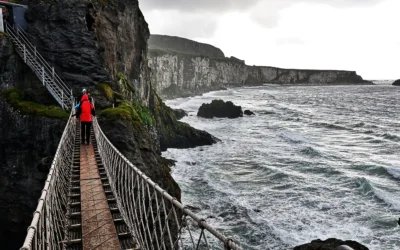
Carrick-a-Rede Rope Bridge
Carrick-a-Rede Rope Bridge | Everything You Need to Know On the northern coast of County Antrim, where the Causeway Coast meets the Atlantic in a series of basalt cliffs and sea stacks, a rope bridge 20 metres long and 30 metres above the ocean connects the mainland...
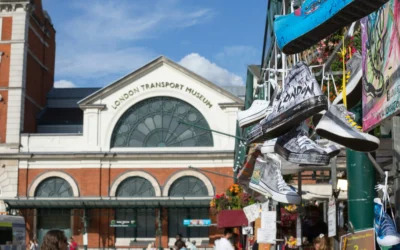
London Transport Museum
London Transport Museum | Everything You Need to Know In a Victorian iron and glass building that was once a flower market, in the heart of Covent Garden, one of the world's great transport collections tells the story of a city. The London Transport Museum covers two...

London Zoo
London Zoo | Everything You Need to Know In Regent's Park, where the formal gardens give way to the northern edge of the park's green expanse, there is an institution that has been housing and studying animals since 1828. London Zoo is the world's oldest scientific...
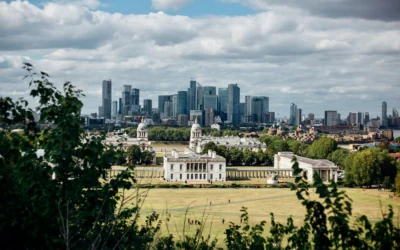
Greenwich Park London
Greenwich Park London | Everything You Need to Know On a hill in southeast London, where the land rises steeply from the Thames, there is a park from which you can see the full spread of the city: Canary Wharf's towers glittering to the west, the Shard rising above...
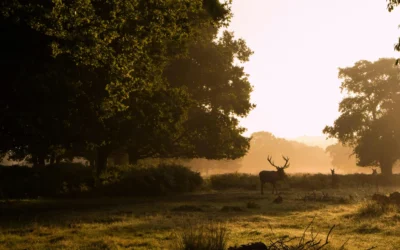
Richmond Park London
Richmond Park London | Everything You Need to Know Eight miles from central London, in the borough of Richmond upon Thames, a 12-foot wall built in 1637 by Charles I encloses 2,500 acres of parkland and has contained within it — largely unaltered since the 17th...