
Tower of London
Tower of London | Everything You Need to Know
Few places pack nine centuries of drama into a single square of stone the way the Tower of London does. Cross the moat and the modern city falls away: cobbled lanes wind between medieval towers, ravens strut across the green where queens once lost their heads, and in the hush of the Jewel House the Crown Jewels blaze under glass. Beefeaters in their Tudor uniforms stand guard, ready with a story for anyone who’ll listen.
Built by William the Conqueror almost a thousand years ago, this UNESCO World Heritage Site has been a royal palace, an armoury, a treasury, a menagerie — and, most famously, a prison whose walls witnessed some of the darkest chapters in British history. It’s one of London’s most gripping days out, and this guide covers everything you need to know before you go.
Where Is the Tower of London?
The Tower of London occupies a commanding spot at Tower Hill, on the north bank of the River Thames (postcode EC3N 4AB). It’s impossible to miss — the medieval fortress sits right beside the soaring Victorian span of Tower Bridge, with the City’s skyscrapers rising just behind. Any map app will bring you straight to the entrance near Tower Hill Underground station.
Opening Hours
The Tower welcomes visitors year-round, with hours that shift a little by season:
- Typical opening: 9:00 AM – 5:30 PM (last admission 4:30 PM)
- Hours can vary seasonally, and some areas occasionally close for conservation or restoration work.
Because the schedule changes through the year, it’s always worth checking the official opening-times page before you travel.
How to Get to the Tower of London
Thanks to its central, riverside location, the Tower is easy to reach by almost any mode of transport.
By Underground. Tower Hill station (District and Circle lines) is the closest, just a five-minute walk from the entrance.
By DLR. Tower Gateway station is around a seven-minute walk away.
By bus. Routes 15, 42, 78 and 100 stop near Tower Hill or Great Tower Street — check TfL for current routes and live times.
By riverboat. One of the most memorable ways to arrive: river services pull in at Tower Pier, right beside the entrance, with boats from Westminster and the London Eye piers.
By car. Tower Hill Coach and Car Park is the nearest option, a couple of minutes’ walk away, though spaces are limited and central London parking is pricey — public transport is far easier.
On foot. The Thames Path makes for a lovely riverside approach from Westminster or the South Bank, with the bridge and fortress unfolding ahead of you.
Compare Transfers & Local Transport in London →
The Best Time to Visit
A little planning makes a real difference at somewhere this popular. Weekdays are noticeably calmer than weekends, and the quietest moments of all come first thing, right when the gates open, or in the last hour or two before closing. The Crown Jewels in particular draw long queues once the day warms up, so heading straight there on arrival is the smart move.
The peak season runs roughly from May to October, when the Tower is at its busiest; the quieter winter months from November to March bring shorter queues and a more atmospheric, less crowded visit. Seasonal events and special displays can pull in extra crowds, so it’s worth checking the official website before you settle on a date.
Tickets and Costs
Booking online in advance through the official website is strongly recommended — it secures your preferred time slot and saves you queuing at the gate. Prices are reviewed periodically, so check the official site for current rates before you go.
A standard ticket covers all the open public areas, including the Crown Jewels, the White Tower, the battlements, the Bloody Tower, the Torture at the Tower exhibition, the Fusiliers Museum, the Royal Mint exhibition and the famous Yeoman Warder tours (subject to availability).
| Ticket Type | Notes |
|---|---|
| Adult (18–64) | Standard rate |
| Young Person (16–17) | Reduced rate |
| Child (5–15) | Reduced rate |
| Child (0–4) | Free entry |
| Senior (65+) | Concession rate |
| Full-time Student (18+) | Concession rate |
| Disabled Visitor | Concession rate |
There are several ways to save. Family tickets and group rates (for parties of 15 or more) are available, residents of Tower Hamlets can claim heavily discounted entry with proof of address, and households receiving certain qualifying benefits may also be eligible — the official website lists current criteria. As some areas occasionally close for conservation, it’s worth a final check before booking.
Check Tickets & Skip-the-Line Options →
What to Expect
A visit to the Tower of London unfolds across a whole walled complex, and there’s far more to see than first-timers expect. The undisputed highlight is the Crown Jewels, displayed in the Jewel House: a dazzling, working collection of royal regalia that includes the Imperial State Crown, set with more than 2,800 diamonds alongside countless other gemstones.
At the heart of the fortress stands the White Tower, the oldest building on the site and a magnificent example of Norman architecture, now home to a remarkable display of arms and armour — including pieces made for Henry VIII. Climb the battlements for sweeping views over the Thames and Tower Bridge, then descend into the fortress’s darker history: the Bloody Tower, linked to prisoners such as Sir Walter Raleigh, and the Torture at the Tower exhibition, which lays bare the grim realities of its centuries as a prison. The Fusiliers Museum tells the story of the Royal Regiment of Fusiliers, raised in 1685, while the Royal Mint exhibition recalls the years when the nation’s coins were struck here.
For many visitors the real treat is a Yeoman Warder tour. These red-and-black-clad guards — the famous “Beefeaters” — lead lively, funny and gloriously macabre walking tours, included in your ticket and setting off roughly every half hour until mid-afternoon.
Allow two to three hours for a comfortable visit, or three to four if you want to see everything. On site you’ll find cafés, a restaurant, a gift shop and accessible toilets, plus multilingual audio guides to hire and a free digital guide to help you find your way.
Browse Guided Tours & Experiences →
Safety and Accessibility
Security. Bag searches are carried out at the entrance, and large bags aren’t allowed — with no left-luggage facilities on site, it’s best to travel light. The site is also genuinely old, with uneven cobbles and many stairs, so sturdy, comfortable footwear is essential. Staff, including the Yeoman Warders, are on hand throughout to help.
Accessibility. The Tower works hard to welcome everyone, though its medieval layout means some areas (such as the battlements) have limited access. Provisions include free wheelchair hire (first come, first served at the entrance), level access to the Jewel House and a lift to the White Tower’s basement shop, a free British Sign Language digital guide, audio-described tours with braille displays in the Jewel House, benches at Tower Green and the New Armouries Café, and accessible toilets including a Changing Places facility in the New Armouries building. The official accessibility page has full details for planning ahead.
Families. The Tower is a hit with children — Yeoman Warder tales, gleaming armour and the Crown Jewels all fire young imaginations. Bear in mind that the cobbled lanes and steps can make a pushchair hard going in places.
Where to Stay Near the Tower of London
Staying near the Tower puts you in one of London’s most atmospheric corners — beside the river, a short walk from Tower Bridge, Borough Market and the City, and well connected to the rest of the capital by Tube and DLR. It’s a part of London where medieval history and gleaming skyscrapers sit side by side.
A few areas worth considering:
- Tower Hill & the City — the most convenient base, with the Tower, Tower Bridge, Sky Garden and Leadenhall Market all within easy reach, plus excellent transport links. It’s quieter in the evenings once the working day ends.
- Tower Bridge & Shad Thames — just across the river, with riverside walks, cobbled warehouse streets and views back towards the fortress. Characterful and a little calmer.
- London Bridge & Bermondsey — a short walk west, combining great connections with Borough Market and one of inner London’s most interesting neighbourhoods.
This is a popular area, so booking ahead — especially for weekends and the summer months — is well worth it.
Find Hotels Near the Tower of London →
A Brief History of the Tower of London
The Tower’s story begins in 1066, when William the Conqueror raised a fortress on the Thames to stamp Norman authority on a newly conquered London. The mighty White Tower, finished around 1100, still stands at its core — one of the finest pieces of Norman architecture in the country, and the building that gave the whole complex its name.
Over the centuries that followed, the Tower became far more than a fortress. It served as a royal palace, a treasury, an armoury, even a royal menagerie of exotic beasts — and, most infamously, a prison. Its cells and scaffold saw the downfall of figures such as Anne Boleyn and Sir Walter Raleigh, and its walls have guarded both the nation’s treasures and some of the most dramatic moments in British history.
A couple of things that surprise visitors: the Yeoman Warders — the “Beefeaters” — have looked after the Tower since the 16th century, originally charged with guarding prisoners and the Crown Jewels. And then there are the ravens: legend insists that should the six resident birds ever leave, the Crown and the kingdom will fall, so a dedicated Ravenmaster tends to them to this day.
Nearby Attractions
The Tower’s central riverside setting makes it easy to combine with some of London’s other great landmarks.
| Attraction | Why Visit | Distance |
|---|---|---|
| Tower Bridge | The iconic Victorian bridge, with glass-floored walkways and Victorian engine rooms to explore | Next door |
| The Monument | Wren’s column commemorating the Great Fire of 1666, with views from the top | ~10-min walk |
| St Paul’s Cathedral | Christopher Wren’s domed masterpiece, one of London’s best-loved landmarks | ~15-min walk |
| Borough Market | A thousand-year-old food market packed with global street food and artisan produce | ~15-min walk |
| South Bank | A riverside stretch home to Tate Modern, Shakespeare’s Globe and the London Eye | ~20-min walk |
A great way to fill a day: explore the Tower in the morning, walk across Tower Bridge, then follow the river to Borough Market for a well-earned lunch.
See Multiple Attractions for Less with a London Pass →
Practical Tips for Your Visit
- Overseas visitor? The UK uses Type G plugs — a UK travel adapter is essential for charging your devices.
- Book ahead. Reserving online secures your time slot and means far less queuing, especially in peak season.
- Arrive early. Getting there for opening (9:00 AM) lets you reach the Crown Jewels before the longest queues form.
- Wear comfortable walking shoes. Cobbled paths and plenty of stairs make sturdy footwear a must.
- Pack for the weather. London’s skies are changeable, so a compact travel umbrella is worth slipping into your bag even on a bright day.
- Travel light. Large bags aren’t allowed and there’s no left-luggage on site.
- Mind the camera rules. Photography is welcome in most areas, but not inside the Crown Jewels exhibition.
- Catch a Yeoman Warder tour. Included in your ticket, these depart roughly every 30 minutes until mid-afternoon — try not to miss one.
- Use an audio guide. Multilingual guides are available to hire on arrival, and a free digital guide covers the highlights.
- Allow two to three hours. Give yourself enough time to take in the major exhibits without rushing.
Frequently Asked Questions
What are the opening hours of the Tower of London?
The Tower is typically open from 9:00 AM to 5:30 PM, with last admission at 4:30 PM. Hours can vary by season and some areas close occasionally for conservation, so check the official website for the current schedule before you visit.
How much does it cost to visit the Tower of London?
Ticket prices vary by visitor type and are reviewed periodically, so it’s best to check the official website for current rates. Children under five enter free, and discounts are available for families, groups, Tower Hamlets residents and households on certain qualifying benefits.
Is the Tower of London suitable for children?
Very much so — interactive exhibits, the gleaming Crown Jewels and the entertaining Yeoman Warder tours make it a firm favourite with children, though the cobbles and steps can make a pushchair hard going in places.
Are there any discounts available for the Tower of London?
Yes — there are family tickets, group rates for parties of 15 or more, heavily discounted entry for Tower Hamlets residents (with proof of address), and reduced rates for households receiving certain qualifying benefits. The official website lists current eligibility.
How long does a visit to the Tower of London take?
Allow two to three hours for a comfortable visit, or three to four if you want to explore every exhibit at a relaxed pace.
Is photography allowed at the Tower of London?
Photography for personal use is welcome across most of the site. The one exception is the Crown Jewels exhibition, where photography isn’t permitted for security reasons.
Are guided tours available at the Tower of London?
Yes — the famous Yeoman Warder (“Beefeater”) tours are included in your ticket and set off regularly through the day. Multilingual audio guides are also available to hire on arrival.
What’s the best way to get to the Tower of London from the city centre?
The quickest route is by Tube: take the District or Circle line to Tower Hill station, a five-minute walk from the entrance. The DLR (Tower Gateway), several buses and riverboats to Tower Pier are all good options too.
Is the Tower of London wheelchair accessible?
Yes — there’s free wheelchair hire, level access to the Jewel House and accessible toilets, including a Changing Places facility. Some historic areas, such as the battlements, have limited access, so check the official accessibility page for full details before visiting.
Are there dining options near the Tower of London?
Yes — there are cafés and a restaurant on site for hot meals, snacks and drinks. Nearby, Borough Market and the eateries along the Thames offer plenty more to suit every taste and budget.
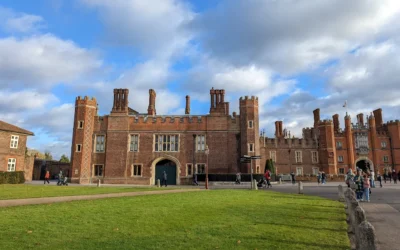
Hampton Court Palace
Hampton Court Palace | Everything You Need to Know Twelve miles south-west of central London, on the north bank of the Thames, stands a palace that encompasses the entire drama of Tudor England. Cardinal Wolsey built it. Henry VIII took it — and expanded it, feasted...
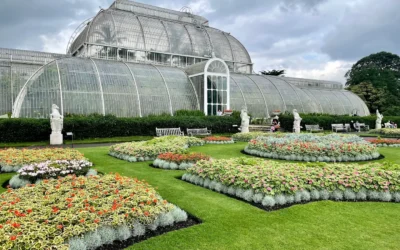
Royal Botanic Gardens Kew
Royal Botanic Gardens Kew London | Everything You Need to Know Ten kilometres south-west of central London, where the Thames curves gently through Richmond, there are 330 acres of gardens that contain more living plant species than almost anywhere else on earth. The...
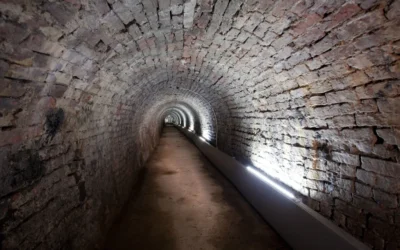
Victoria Tunnel Newcastle
Victoria Tunnel Newcastle | Everything You Need to Know Beneath the streets of Newcastle upon Tyne, 85 feet below the surface, runs a tunnel two and a half miles long. It was built in 1842 to carry coal from a colliery in Spital Tongues down to the River Tyne under...
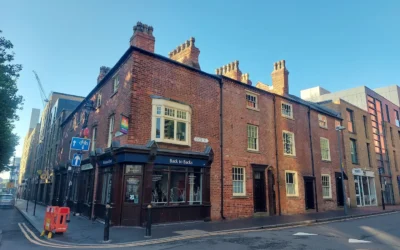
Birmingham Back to Backs
Birmingham Back to Backs | Everything You Need to Know In the middle of Birmingham, a short walk from the Bullring and New Street station, there is a court of eleven small houses built back-to-back — each one sharing a rear wall with its neighbour, facing inward onto...

The Chocolatarium Edinburgh
The Chocolatarium Edinburgh | Everything You Need to Know Just off the Royal Mile, tucked into a street in Edinburgh's historic Old Town, there is a chocolate factory. Not a large one — it's a micro-factory, intimate and handcrafted — but it takes its chocolate...