
Tate Modern
Tate Modern | Everything You Need to Know
Welcome to Tate Modern, a global powerhouse of modern and contemporary art that draws millions to London’s South Bank each year. Housed in the striking former Bankside Power Station, this iconic museum blends industrial architecture with groundbreaking art, offering a unique cultural experience. From the awe-inspiring Turbine Hall, known for its large-scale installations, to the underground Tanks dedicated to live performances and video art, Tate Modern showcases works by masters like Pablo Picasso, Yayoi Kusama, and Henri Matisse.
With free entry to its permanent collection, it’s a must-visit for anyone eager to explore the evolution of art from the 20th century to today.
Location
Tate Modern is situated at Bankside, London SE1 9TG, on the south bank of the River Thames. Its prime location makes it easily accessible via the Millennium Bridge, which connects directly to St Paul’s Cathedral on the north bank. Nearby landmarks include Shakespeare’s Globe, a historic theatre, and the Southbank Centre, a hub for arts and culture. For precise navigation, use GPS or map apps like Google Maps to guide you to this vibrant cultural hotspot.
Opening Hours
Tate Modern welcomes visitors daily from 10:00 AM to 6:00 PM, with last entry at 5:30 PM. Hours may vary during holidays or special events, so it’s wise to check the official website for the latest schedule before planning your visit.
How to Get There
Getting to Tate Modern is straightforward, with multiple transport options:
- By Public Transport:
- Train/Tube: The closest stations are Blackfriars (300m from the south exit, 800m from the north), Southwark (Jubilee Line, 600m), and London Bridge (1,100m). Other nearby stations include Cannon Street, Waterloo, and St Paul’s (Central Line).
- Bus: Routes such as 47, 63, 100, 344, and 381 stop near the museum. Visit the Transport for London website for updated routes and schedules.
- Boat: The Thames Clipper service stops at Bankside Pier, right next to Tate Modern, offering a scenic river journey.
- By Car: Parking near Tate Modern is limited and costly due to central London’s traffic restrictions. Public car parks are available, but public transport is strongly recommended for convenience.
- On Foot: A picturesque walk across the Millennium Bridge from St Paul’s Cathedral takes about 5–10 minutes, offering stunning views of the Thames and London skyline. The museum is also a short stroll from the Southbank Centre and Shakespeare’s Globe.
For real-time traffic or transport updates, apps like Waze or TfL’s journey planner are invaluable.
Best Time to Visit
For a quieter experience, visit Tate Modern on weekday mornings, ideally shortly after opening at 10:00 AM, when crowds are thinner. As an indoor attraction, it’s a great choice for rainy days, though this may attract more visitors seeking shelter. Summer months are peak tourist season, so consider spring or autumn for a more relaxed visit. Check the official website for special exhibitions or events, such as Turbine Hall installations, which can enhance your experience but may draw larger crowds.
Tickets and Costs
Entry to Tate Modern’s permanent collection is free for all visitors, with no booking required. Temporary exhibitions, however, require tickets, typically costing around £20 for adults, though prices vary. Concessions are available for students, seniors, and visitors with disabilities, with free entry for companions. Children under 12 enter exhibitions free with a paying adult, and family tickets for children aged 12–18 cost £5. Tate Members enjoy unlimited free access to exhibitions without booking, and young people aged 16–25 can access £5 exhibition tickets through the Tate Collective. Booking in advance is recommended for popular exhibitions to secure your spot.
|
Ticket Type |
Cost |
Notes |
|
Permanent Collection |
Free |
No booking required |
|
Temporary Exhibitions |
~£20 (varies) |
Concessions for students, seniors, disabled visitors |
|
Children (Under 12) |
Free |
Up to 4 children per paying adult for exhibitions |
|
Family Child (12–18) |
£5 |
For exhibition entry |
|
Tate Collective (16–25) |
£5 |
Discounted exhibition tickets |
|
Tate Members |
Free |
Unlimited exhibition access, no booking needed |
|
Disability Concessions |
Concession rate, free for companion |
Book via email or phone |
Tickets can be purchased online, on-site, or through third-party platforms, though online booking is advised for convenience.
What to Expect
Tate Modern offers a dynamic visitor experience, showcasing over a century of modern and contemporary art. The iconic Turbine Hall, a vast space for large-scale installations, is a highlight, featuring ever-changing works that captivate and challenge perceptions. The permanent collection includes masterpieces by artists like Pablo Picasso, Yayoi Kusama, and Henri Matisse, alongside contemporary pieces by emerging talents. The underground Tanks, dedicated to live performances and video art, provide an immersive experience unique to Tate Modern.
A typical visit lasts 2–3 hours, though art enthusiasts may spend longer exploring the Natalie Bell and Blavatnik Buildings. On-site facilities include multiple cafes serving everything from light snacks to full meals, gift shops stocked with art-inspired merchandise, and ample restrooms and seating areas. Interactive features like audio guides and the Tate app enhance the experience, offering insights into the collection and exhibitions.
Safety and Accessibility
Tate Modern prioritizes safety and accessibility. Security staff are present throughout, and standard emergency procedures ensure visitor safety. For accessibility, the museum offers:
- 12 accessible parking spaces (book 24 hours in advance via ticketing@tate.org.uk or +44 (0)20 7887 8888).
- Wheelchair and mobility scooter hire (book in advance).
- A Changing Places toilet on Level 0 of the Natalie Bell Building.
- Quiet rooms on Levels 2 and 4 for sensory breaks.
- Access events, including Touch Tours with BSL interpretation, captioning, and audio descriptions.
- A visual story for visitors with autism.
The museum is largely wheelchair accessible, with lifts and ramps throughout, and stroller access makes it family-friendly.
History and Background
Opened in 2000, Tate Modern transformed the former Bankside Power Station, a Grade II listed building designed by Sir Giles Gilbert Scott, into a world-class art gallery. Architects Herzog & de Meuron preserved its industrial character while creating expansive gallery spaces. Part of the Tate network, which includes Tate Britain, Tate Liverpool, and Tate St Ives, it houses the UK’s national collection of modern and contemporary art, stemming from Sir Henry Tate’s 19th-century donations. In 2019, Tate Modern welcomed over 5.8 million visitors, cementing its status as a global cultural landmark.
Fun Facts:
- The Turbine Hall has hosted iconic installations, like Louise Bourgeois’s giant spider sculpture in 2000.
- The 2016 Switch House (now Blavatnik Building) added a public viewing platform with 360-degree views of London.
For more history, visit the museum’s visitor center or official website.
Nearby Attractions
Tate Modern’s location makes it ideal for a day of cultural exploration. Nearby attractions include:
- Shakespeare’s Globe (5-minute walk): A faithful reconstruction of the Elizabethan theatre, offering tours and Shakespearean performances.
- Millennium Bridge (2-minute walk): A pedestrian bridge with stunning views of the Thames, linking Tate Modern to St Paul’s Cathedral.
- St Paul’s Cathedral (10-minute walk): A Baroque masterpiece with a towering dome, rich in history and architectural beauty.
- Southbank Centre (10-minute walk): A cultural hub featuring the Royal Festival Hall, with music, dance, and literary events.
- Borough Market (15-minute walk): A historic food market near London Bridge, perfect for sampling gourmet foods and international cuisine.
Combine a morning at Tate Modern with a walk across the Millennium Bridge to St Paul’s, followed by lunch at Borough Market and an evening event at the Southbank Centre for a full day out.
Practical Tips
- What to Bring:
- Comfortable shoes for navigating the expansive galleries.
- A camera or smartphone for photos (check restrictions).
- Water and snacks, though on-site cafes are available.
- Rules and Etiquette:
- No eating or drinking in the galleries.
- No flash photography or tripods; some areas may prohibit photography.
- Large bags must be stored in on-site lockers.
- Additional Tips:
- Download the Tate app for audio guides and collection insights.
- Arrive early, especially on weekends, to avoid crowds.
- Check the official website (Tate Modern) for updates on exhibitions, events, or closures.
FAQs
What are the opening hours of Tate Modern?
Tate Modern is open daily from 10:00 AM to 6:00 PM, with last entry at 5:30 PM. Check the official website (Tate Modern) for updates on holiday or special hours.
How much does it cost to visit Tate Modern?
The permanent collection is free for all. Temporary exhibition tickets cost around £20 for adults, with concessions for students, seniors, and disabled visitors. Children under 12 enter free with a paying adult, and Tate Collective members (16–25) get £5 tickets.
Is Tate Modern suitable for children?
Yes, Tate Modern offers family-friendly activities, free entry for children under 12, and facilities like quiet rooms and stroller access, making it welcoming for families.
Are there any discounts available for Tate Modern?
Concessions are available for students, seniors, and disabled visitors, with free entry for companions. Tate Members get unlimited free exhibition access, and Tate Collective offers £5 tickets for ages 16–25.
How long does it take to visit Tate Modern?
A typical visit takes 2–3 hours, though art enthusiasts may spend longer exploring the collection and exhibitions.
Is photography allowed at Tate Modern?
Photography for personal, non-commercial use is allowed, but flash and tripods are prohibited. Some areas may have additional restrictions, so check with staff.
Are there guided tours available at Tate Modern?
Yes, guided tours of the collection and exhibitions are available, bookable in advance or on the day, subject to availability. Check the website for schedules.
What’s the best way to get to Tate Modern from the city center?
Take the tube to Blackfriars, Southwark, or London Bridge, or the Thames Clipper to Bankside Pier. Walking from St Paul’s Cathedral across the Millennium Bridge is a scenic 5–10-minute option.
Is Tate Modern wheelchair accessible?
Yes, the museum is largely wheelchair accessible, with lifts, ramps, accessible parking, and wheelchair hire. A Changing Places toilet and quiet rooms are also available.
Are there dining options near Tate Modern?
On-site cafes offer snacks and meals, while nearby Borough Market and Southbank Centre eateries provide diverse dining options, from gourmet stalls to restaurants.
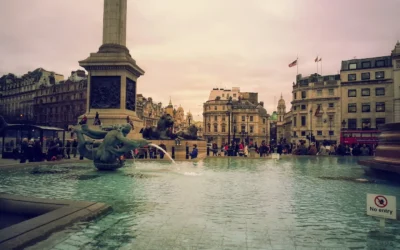
Trafalgar Square
Trafalgar Square | Everything You Need to Know Welcome to Trafalgar Square, one of London’s most iconic and historic landmarks! Nestled in the heart of the city, this public square is a must-visit for anyone exploring the UK’s capital. Named after the legendary Battle...
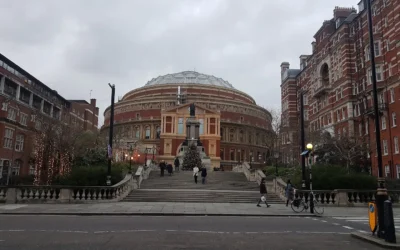
Science Museum
Science Museum: Everything You Need to Know Dive into the wonders of human ingenuity at the Science Museum, a world-renowned institution in London’s South Kensington dedicated to science, technology, engineering, and mathematics (STEM). Founded in 1857, this iconic...

Blenheim Palace
Blenheim Palace | Everything You Need to Know Step into the grandeur of Blenheim Palace, a magnificent Baroque masterpiece in Woodstock, Oxfordshire, England. As the ancestral home of the Dukes of Marlborough and the birthplace of Sir Winston Churchill, this UNESCO...
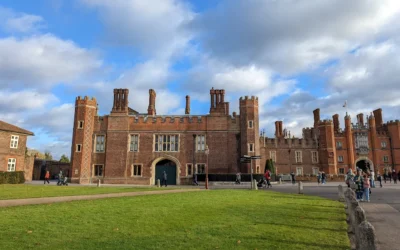
Hampton Court Palace
Hampton Court Palace: Everything You Need to Know Step into the grandeur of Hampton Court Palace, a magnificent royal residence that has stood for over 500 years on the banks of the River Thames in East Molesey, Surrey. Originally built in 1514 for Cardinal Thomas...

Royal Botanic Gardens Kew
Royal Botanic Gardens, Kew | Everything You Need to Know Welcome to the Royal Botanic Gardens, Kew, a UNESCO World Heritage Site and one of the world’s leading botanic gardens. Located in southwest London, Kew Gardens is home to over 50,000 living plants and millions...