
London Transport Museum
London Transport Museum | Everything You Need to Know
In a Victorian iron and glass building that was once a flower market, in the heart of Covent Garden, one of the world’s great transport collections tells the story of a city.
The London Transport Museum covers two centuries of how London has moved — the world’s first underground railway, the iconic red Routemaster bus, the revolutionary Tube map designed by Harry Beck in 1931, the brilliant print and poster tradition that has made London Transport’s graphic identity one of the most recognised design languages in the world. But it also covers the human stories: the Caribbean workers who came to staff the Underground in the 1950s, the engineers who built the tunnels, the drivers who kept the city running through the Blitz.
Children aged 17 and under enter free. The museum is open 362 days a year. It is one of the finest specialist transport museums in the world, and one that rewards visitors whether they have a lifelong passion for London’s transport history or simply want to understand the city they’re exploring. This guide covers everything you need to know before you go.
Where Is the London Transport Museum?
The London Transport Museum is located at The Piazza, Covent Garden, London WC2E 7BB — inside the Victorian glass market building on the east side of the Covent Garden Piazza. The entrance is directly on the Piazza, with the outdoor market and street performers visible from the museum’s café.
Nearby landmarks include Covent Garden Market, the National Portrait Gallery and Trafalgar Square. For navigation, any map app using “London Transport Museum” or the postcode WC2E 7BB will bring you directly there.
Opening Hours
The museum is open daily from 10:00 AM to 6:00 PM (last entry 5:15 PM). It closes for the Christmas period (typically three days) but is open 362 days a year. The café closes at 5:00 PM; the shop stays open until 6:15 PM.
As hours can vary for special events and seasonal scheduling, check the official website before visiting.
How to Get to the London Transport Museum
By Underground. Covent Garden (Piccadilly line) is the closest station, just a short walk from the Piazza entrance.
By bus. Routes RV1, 9, 11, 13, 15, 23 and 139 stop on or near The Strand and Aldwych, a few minutes’ walk away.
By train. Charing Cross station is an eight-minute walk; Waterloo station around seventeen minutes.
By boat. Embankment Pier (Thames Clipper services) is a ten-minute walk from the museum — a good option for combining with a river journey.
By bike. Cycle racks are available near the Piazza.
Compare Transfers & Local Transport in London →
The Best Time to Visit
The London Transport Museum tends to be quieter in the afternoons and on weekday mornings during term time. Summer and school holidays bring more families with children, and the popular exhibits (particularly the interactive stations and the train simulator) can have queues. Spring and autumn offer the most relaxed visits.
As a completely indoor attraction, it is an excellent choice on a rainy day, and the Covent Garden location means plenty of options for food, shopping and street entertainment before or after.
The museum runs a full programme of events throughout the year — family theatre shows, evening events, special tours and the extraordinary Hidden London tours of disused Tube stations. Check the museum’s What’s On page for the current programme before booking.
Tickets and Costs
Children under 18 enter free. Adult admission requires an advance timed-entry ticket.
| Ticket Type | Price |
| Adult | £24.50 |
| Concession (senior 60+, student, disabled) | £23.50 |
| Children (17 and under) | Free |
| Disabled visitor’s companion | Free |
Annual Passes are available at various price points (from £22.50 for off-peak to £70 for a pass including Depot Open Days) — particularly good value for London residents or regular visitors.
Discounts:
- 20% off Annual Passes for Blue Light Card holders and British Military personnel
- National Rail 2-for-1 offer (present a National Rail ticket and voucher from the Days Out Guide)
- Local residents and Universal/Pension Credit holders receive reduced rates
TfL staff, Corporate Supporters, LTM Friends and Museum Association members enter free. As prices are reviewed periodically, check the official website for current rates before booking.
Check Tickets & Book the London Transport Museum →
What to Expect
The museum occupies the full Victorian Covent Garden Flower Market building — four floors of exhibits telling the story of London’s transport from the horse-drawn omnibus to the Elizabeth line, with some genuinely remarkable objects along the way.
Historic vehicles include the only surviving steam locomotive from the world’s first Underground — the Metropolitan Railway locomotive that hauled passengers between Paddington and Farringdon in 1863 — as well as the City and South London Railway’s first electric locomotive, horse buses and trams, and the iconic red Routemaster bus that defined London’s streets for decades.
Design is a particular strength. London Transport’s poster tradition — from the Art Deco designs of the 1920s and 30s to later commissions by significant artists — is one of the finest bodies of commercial graphic design in the world, and the Global Poster Gallery showcases it magnificently. Harry Beck’s original 1931 Tube map diagram (rejected by the Underground at first, then trialled, then adopted worldwide) is one of the collection’s most celebrated objects.
Browse London Heritage & History Tours →
Interactive exhibits include the Elizabeth line train simulator (a driver’s-eye view through the Crossrail tunnels) and hands-on displays at various points throughout the museum. Legacies: London Transport’s Caribbean Workforce is a powerful permanent gallery celebrating the contribution of Caribbean workers who came to staff London’s transport network from the 1950s onwards.
Hidden London — the museum’s programme of tours to disused, closed and operational Tube stations normally inaccessible to the public — is run from the museum and is among the most sought-after experiences in London. Tickets for these tours book up very quickly; see the Hidden London booking page for current tour dates.
A typical visit takes around two hours; longer if taking part in special events, tours or the family theatre programme.
Facilities include the Canteen Café (overlooking the Covent Garden Piazza), the Tuk Tuk Café for snacks, a museum shop (accessible without a museum ticket), a cloakroom and accessible restrooms with baby-changing.
Safety and Accessibility
Safety. Staff are present throughout and trained in disability awareness. Emergency procedures accommodate all visitors.
Wheelchair access. Level access at the ticket desk, lifts to all floors, ramps in some areas, and wheelchairs available to borrow. Note that some historic vehicles are not accessible and the outdoor Piazza is partially cobbled. Accessible toilets are on the ground floor.
Hearing support. Induction loops at the ticket desk, cloakroom and information desk. Many audio-visual exhibits are subtitled.
Visual impairment. Large print Highlights Tours and magnifiers available on request. Sighted guide service bookable in advance.
Sensory support. Ear defenders and sensory bags available; SEND Explorer Events and Early Explorer Mornings cater specifically for children with sensory needs.
Assistance dogs are welcome throughout.
Where to Stay Near the London Transport Museum
The Covent Garden and Strand area is one of London’s most central and lively neighbourhoods — theatreland, the National Gallery, the River Thames and the West End all within easy walking distance.
A few areas worth considering:
- Covent Garden & Holborn — the most immediate option, with the museum and the full range of Covent Garden’s attractions on the doorstep.
- The Strand & Embankment — just south, with the river and excellent transport links.
- Bloomsbury — just north, quieter and often better value, with the British Museum and many university buildings nearby.
Find Hotels Near the London Transport Museum →
A Brief History of the London Transport Museum
The museum traces its origins to the early 20th century, when London’s transport operators began preserving historic vehicles and artefacts. The collection grew through the 1930s under the London Passenger Transport Board — the organisation that unified London’s buses, trams and Underground under one authority — and after the war was displayed at the Museum of British Transport in Clapham (from 1963) and then Syon Park.
The current Covent Garden location opened in 1980, within the Victorian Flower Market building designed in 1871. A major £22 million refurbishment from 2005 to 2007 transformed the space and significantly expanded the interpretive programme.
A detail that captures the collection’s significance: the only surviving steam locomotive from the world’s first passenger underground railway — the Metropolitan Railway, which opened between Paddington and Farringdon on 10 January 1863 — is in this museum. It has been here since the collection was first assembled. The world’s oldest and most extensive urban rail network began on that day, and the engine that pulled the first passengers still exists.
Nearby Attractions
The museum’s Covent Garden location is within walking distance of some of London’s finest cultural attractions.
| Attraction | Why Visit | Distance |
| Covent Garden Market | Historic covered market with street performers, shops and cafés | Adjacent |
| National Portrait Gallery | Free — portraits of notable British figures across 500 years | ~5-min walk |
| National Gallery & Trafalgar Square | Free — one of the world’s great art collections | ~10-min walk |
| Sir John Soane’s Museum | One of London’s finest and most unusual house museums — free | ~10-min walk |
| Somerset House | Cultural venue with courtyard, exhibitions and the River Thames view | ~5-min walk |
A natural day out: London Transport Museum in the morning, lunch in Covent Garden, then the National Gallery and Trafalgar Square in the afternoon — two of London’s finest free attractions bookending a paid museum.
Explore Covent Garden & Central London →
Practical Tips for Your Visit
- Book online. Timed entry tickets are required — purchase in advance to secure your preferred time slot.
- Children under 18 are free. An excellent value family visit — but children’s timed entry tickets are still required.
- Consider an Annual Pass. If you’re in London regularly, the Annual Pass pays for itself quickly, especially as it includes Depot Open Days.
- Book Hidden London early. Tours of disused Tube stations sell out extremely quickly. Check availability on the Hidden London booking page well in advance.
- Wear comfortable walking shoes. Multiple floors and interactive exhibits involve significant movement.
- Bring earphones. If using the audio guide, your own earphones provide a better experience than borrowing from the desk.
- Overseas visitor? The UK uses Type G plugs — a UK travel adapter is essential for charging your devices.
- Photography is permitted for personal use; tripods and selfie sticks are not allowed in the galleries.
- The shop is accessible without a ticket. If you’re short on time but want to browse the excellent transport-themed books, posters and gifts, the shop can be visited separately.
Frequently Asked Questions
What are the opening hours of the London Transport Museum?
Daily from 10:00 AM to 6:00 PM (last entry 5:15 PM). The café closes at 5:00 PM and the shop at 6:15 PM. The museum closes for approximately three days over Christmas. Check the official website for current hours.
How much does it cost to visit the London Transport Museum?
Adults £24.50, concessions (senior/student/disabled) £23.50. Children aged 17 and under enter free (timed ticket required). Annual Passes from £22.50. Check the official website for current rates.
Is the London Transport Museum suitable for children?
Yes — children under 18 enter free, and the interactive exhibits, train simulator and family theatre programme make it genuinely engaging. Stroller access is throughout.
Are there any discounts available for the London Transport Museum?
Yes — 20% off Annual Passes for Blue Light Card holders and military personnel; National Rail 2-for-1 offer; reduced rates for local residents and Universal/Pension Credit holders. Full details on the official website.
How long does a visit to the London Transport Museum take?
A typical visit takes around two hours. Guided tours and special events extend this considerably.
Is photography allowed at the London Transport Museum?
Yes — personal photography is welcome. Tripods and selfie sticks are not permitted in the galleries.
Are there guided tours available at the London Transport Museum?
Yes — the museum offers guided tours of the collection, and the remarkable Hidden London programme provides tours of disused Underground stations. Book early as these sell out quickly.
What’s the best way to get to the London Transport Museum from the city centre?
Take the Piccadilly line to Covent Garden station, then walk a short distance to the Piazza entrance.
Is the London Transport Museum wheelchair accessible?
Yes — level access, lifts to all floors, ramps in some areas and wheelchairs available to borrow. Note that some historic vehicles are not accessible. Accessible toilets on the ground floor.
Are there dining options near the London Transport Museum?
The Canteen Café and Tuk Tuk Café are within the museum. Covent Garden Market and the surrounding area offer an excellent range of cafés and restaurants.
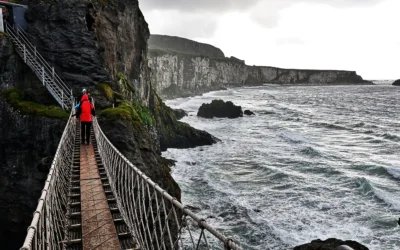
Carrick-a-Rede Rope Bridge
Carrick-a-Rede Rope Bridge | Everything You Need to Know On the northern coast of County Antrim, where the Causeway Coast meets the Atlantic in a series of basalt cliffs and sea stacks, a rope bridge 20 metres long and 30 metres above the ocean connects the mainland...

London Zoo
London Zoo | Everything You Need to Know In Regent's Park, where the formal gardens give way to the northern edge of the park's green expanse, there is an institution that has been housing and studying animals since 1828. London Zoo is the world's oldest scientific...
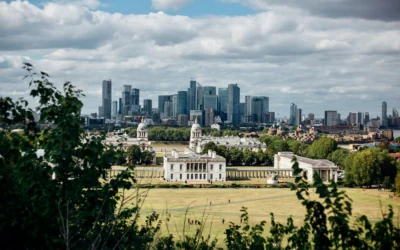
Greenwich Park London
Greenwich Park London | Everything You Need to Know On a hill in southeast London, where the land rises steeply from the Thames, there is a park from which you can see the full spread of the city: Canary Wharf's towers glittering to the west, the Shard rising above...

Richmond Park London
Richmond Park London | Everything You Need to Know Eight miles from central London, in the borough of Richmond upon Thames, a 12-foot wall built in 1637 by Charles I encloses 2,500 acres of parkland and has contained within it — largely unaltered since the 17th...

Dartmoor National Park
Dartmoor National Park | Everything You Need to Know In the heart of Devon, a landscape rises out of the surrounding farmland that feels genuinely ancient — a high, open plateau of granite moorland crossed by rushing rivers, dotted with strange rock formations and...