
Richmond Park London
Richmond Park London | Everything You Need to Know
Eight miles from central London, in the borough of Richmond upon Thames, a 12-foot wall built in 1637 by Charles I encloses 2,500 acres of parkland and has contained within it — largely unaltered since the 17th century — the most extraordinary wildlife spectacle in Greater London. Over 600 red and fallow deer move freely across Richmond Park, as they have for nearly four centuries, wandering between ancient oak trees, grazing in open glades and, in autumn, engaging in the full theatre of the rut.
Richmond Park is the largest of London’s eight Royal Parks and the largest of any kind within the M25. It is a National Nature Reserve, a Site of Special Scientific Interest and a Special Area of Conservation. Its ancient oaks — some more than 750 years old — support communities of rare invertebrates including the stag beetle, one of Britain’s most threatened insects. The views from King Henry’s Mound stretch across the Thames Valley all the way to St Paul’s Cathedral, ten miles away. And entry, like all Royal Parks, is entirely free. This guide covers everything you need to know before you go.
Where Is Richmond Park?
Richmond Park is located in southwest London, TW10 5HS, in the London Borough of Richmond upon Thames. The park has multiple gates — Richmond Gate (on the north-west side, closest to Richmond town) and Kingston Gate (south) are the most commonly used. Pembroke Lodge, the main visitor centre and café, is near the Richmond Gate end.
For navigation, any map app using “Richmond Park” or the postcode TW10 5HS will bring you to the main entrance. Once inside, the park’s size (2,500 acres) rewards a downloaded map — the Royal Parks app has an offline map option.
Opening Hours
Richmond Park is open to pedestrians at all hours, every day of the year. Vehicle access has specific hours:
- Summer (March to October): vehicles 7:30 AM – 9:00 PM
- Winter (November to February): vehicles 7:30 AM – dusk
Facilities such as Pembroke Lodge Café and visitor information typically operate from around 9:00 AM to 5:00 PM, with seasonal variations. As hours can change, check the Royal Parks website before visiting.
How to Get to Richmond Park
By Underground and Overground. Richmond station (District line and London Overground) is around a twenty-minute walk from Richmond Gate. Buses 371 and 372 stop at the park gates for a shorter connection.
By train. North Sheen station (South Western Railway) is around 15 minutes’ walk from the park’s northern edge.
By bus. Routes 371 and 372 stop at Richmond Gate and Roehampton Gate.
By bike. Richmond Park is excellent for cycling, with designated cycle routes within the park. Santander Cycles docking stations are near Richmond and Roehampton gates.
On foot. A twenty-to-twenty-five-minute walk from Richmond town centre along Richmond Hill is a pleasant approach. From Kingston upon Thames, Kingston Gate is reachable in a similar time.
By car. Car parks are available at Pembroke Lodge, Broomfield Hill, Kingston Gate and other points. Parking typically costs £2–£4 for a few hours. Car parks fill quickly on summer weekends — public transport is strongly recommended.
Compare Transfers & Local Transport in London →
The Best Time to Visit
Richmond Park is rewarding in every season, and each brings something distinctly different.
Autumn (September to November) is the most dramatic season. The deer rut peaks in October — red stags bellow, clash antlers and herd their hinds across the open park in one of the most extraordinary wildlife spectacles accessible to a major city. Keep a respectful distance; rutting stags are unpredictable. The oak foliage turns at the same time, and the light in October is exceptional.
Spring (March to May) brings fawns — born in May and June, they are hidden in the long grass and bracken. Deer must not be approached at this time, and dogs must be kept on leads. The Isabella Plantation reaches its peak in late April to mid-May, when the azaleas and rhododendrons are at their most vivid.
Summer (June to August) offers long days and warm weather, with the Isabella Plantation full of colour and the Pen Ponds popular for fishing and picnics. Summer weekends are the busiest — early mornings are significantly calmer.
Winter (December to February) is the quietest period. The deer are easier to spot through bare branches, early morning frost creates extraordinary photographs, and the park feels genuinely remote despite being within the M25.
Tickets and Costs
Entry to Richmond Park is completely free. Vehicle parking is charged:
|
Item |
Approximate Cost |
|
Park Entry |
Free |
|
Parking (per day) |
£2–£4 |
|
Pembroke Lodge Café |
£5–£15 |
|
Guided Wildlife Tours |
£5–£15 |
What to Expect
Richmond Park’s scale rewards multiple visits. A first-time visitor should allow at least three to four hours; many regular visitors never exhaust what the park offers.
The deer are the defining experience. More than 600 red and fallow deer move freely across the park — in open glade, under the ancient oaks, sometimes directly across your path. They are wild animals and should be observed from a distance (at least 50 metres, and further during the rut and birthing season), but encountering a herd of red deer in the early morning mist is like stepping several centuries backwards in time.
The ancient oaks are extraordinary in their own right. Some are more than 750 years old — among the oldest trees in London — and the veteran oaks support communities of rare invertebrates found almost nowhere else in south-east England. The Isabella Plantation, a 40-acre woodland garden, is at its most spectacular in late spring when the azaleas, rhododendrons and camellias are in full flower — a genuinely dazzling display.
Browse Royal Parks & London Garden Tours →
King Henry’s Mound — a prehistoric burial mound repurposed as a viewing point — offers one of the most remarkable views in London: a protected sightline, kept clear since 1710, through which St Paul’s Cathedral is visible exactly ten miles away.
Pen Ponds — two large fishing ponds near the centre of the park — are good for birdwatching (herons, cormorants, kingfishers) and picnicking. Pembroke Lodge, a Georgian mansion that was once the home of the Victorian Prime Minister Lord John Russell and his grandson the philosopher Bertrand Russell, now houses a café and serves as the main visitor centre.
A good walk of two to three hours can take in King Henry’s Mound, the Isabella Plantation, Pen Ponds and a deer area. A full day allows much deeper exploration.
Safety and Accessibility
Wildlife safety. The deer are wild and can be dangerous, particularly during the rut (October) and when does have young fawns (May to June). Keep at least 50 metres from any deer at all times. Dogs must be kept on leads during the rut and birthing season — this is a park bylaw. At any other time, dogs must be under close control.
Navigation. The park’s size (2,500 acres) can be disorienting. Download the Royal Parks app or an offline OS map before visiting — mobile signal is variable.
Accessibility. Many paths within the park are paved and suitable for wheelchairs and strollers. Woodland trails and grassland areas can be uneven. Accessible toilets are at Pembroke Lodge and Roehampton Café. Assistance dogs are welcome.
Where to Stay Near Richmond Park
Staying near Richmond Park places you in one of London’s most pleasant residential areas — leafy, well connected by District line and Overground, with Richmond town’s excellent cafés, restaurants and riverside walks close at hand.
A few areas worth considering:
- Richmond town centre — the most convenient base, fifteen minutes’ walk from Richmond Gate, with excellent transport links into central London.
- Kingston upon Thames — a lively and attractive market town on the southern edge of the park, with a broader range of accommodation.
- Kew & Gunnersbury — well connected, quieter, with Kew Gardens also within easy reach.
Find Hotels Near Richmond Park London →
A Brief History of Richmond Park
Charles I established the deer park in 1637, enclosing the land within a 12-foot brick wall that still largely survives today. The land had previously been open common, and its enclosure for the royal hunt was deeply unpopular. Local people had used the area for centuries, and the closure of established footpaths caused significant public anger.
The decisive change came in 1751, when local brewer John Lewis forced the issue by climbing the park wall on foot to assert the public’s right of access. He was prosecuted and fined — but appealed, won, and the court confirmed that the public had a right of way across the park. The pedestrian gates that now allow 24-hour access exist because of that ruling.
The park was designated a National Nature Reserve in 2000, acknowledging the exceptional biodiversity supported by its ancient trees, acidic grassland and wetland habitats. It is managed by The Royal Parks charity alongside the other Royal Parks.
A detail that makes the ancient oaks particularly vivid: the stag beetles that breed in the decaying wood of Richmond Park’s veteran oaks are among the largest insects in Britain, and they have evolved specifically to exploit wood that has been rotting slowly for decades. The beetles depend on trees that are at least 150 years old. Some of Richmond Park’s oaks have been providing that habitat for seven centuries — the stag beetles have been living in the same trees for as long as there have been stag beetles.
Nearby Attractions
Richmond Park’s southwest London location puts several excellent destinations within easy reach.
|
Attraction |
Why Visit |
Distance |
|
Kew Gardens |
Royal Botanic Gardens, UNESCO World Heritage Site, 50,000 plants |
~15-min drive |
|
Hampton Court Palace |
Historic Royal Palace on the Thames — Henry VIII’s favourite |
~20-min drive |
|
Richmond Hill |
The protected view of the Thames Valley — one of London’s finest panoramas |
~10-min walk |
|
Bushy Park |
Another Royal Park with deer, the Diana Fountain and ancient chestnut avenues |
~15-min drive |
|
Ham House |
Extraordinarily complete 17th-century mansion on the Thames, National Trust |
~20-min walk |
A natural day out: Richmond Park in the morning for the deer, lunch at Pembroke Lodge, then Kew Gardens in the afternoon.
Explore London’s Royal Parks & Green Spaces →
Practical Tips for Your Visit
- Come in October for the rut. The sight and sound of red stags during the rutting season is one of the great wildlife spectacles in Britain — and it’s free, and it’s in London.
- Come at dawn. Richmond Park at first light, with mist across the grass and deer grazing under the oaks, is completely different from the park at midday.
- Wear comfortable walking shoes. Grassland paths, woodland trails and uneven ground reward sturdy footwear.
- Bring a compact travel umbrella. London weather is unreliable; the park has no shelter on its open grassland.
- Overseas visitor? The UK uses Type G plugs — a UK travel adapter is essential for charging your devices.
- Keep your distance from the deer. 50 metres minimum, always — more during the rut and when fawns are present.
- Keep dogs on leads during the rut (October) and birthing season (May to June) — this is a legal requirement, not just guidance.
- Bring binoculars. The deer are best observed from a distance; binoculars transform the experience.
Frequently Asked Questions
What are the opening hours of Richmond Park London?
Pedestrians may enter 24 hours a day, every day of the year. Vehicles have limited access hours — typically 7:30 AM to 9:00 PM in summer and 7:30 AM to dusk in winter. Facilities like Pembroke Lodge Café typically operate 9:00 AM to 5:00 PM. Check the Royal Parks website for current facility hours.
How much does it cost to visit Richmond Park London?
Entry is completely free. Parking costs approximately £2–£4 per day. Pembroke Lodge Café charges café prices; guided events and wildlife tours typically cost £5–£15.
Is Richmond Park suitable for children?
Yes — the deer, the open space and the Isabella Plantation are particularly engaging for children. Supervise children carefully around the deer and follow the seasonal restrictions on dogs.
Are there any discounts available for Richmond Park London?
Park entry is free. Some events and guided walks may offer concessions.
How long does a visit to Richmond Park take?
A good walk takes two to three hours. A full day of exploration — including the Isabella Plantation, King Henry’s Mound, Pen Ponds and the deer areas — is easily filled.
Is photography allowed at Richmond Park London?
Yes — photography is encouraged and the park offers exceptional subjects throughout the year, from autumn deer to spring azaleas to winter frost.
Are there guided tours available at Richmond Park?
Yes — guided wildlife tours and ranger-led walks are offered. Check the Royal Parks events page for the current programme.
What’s the best way to get to Richmond Park from central London?
Take the District line to Richmond station (around 30 minutes from central London), then walk 20 minutes or take bus 371 or 372 to the park gates.
Is Richmond Park wheelchair accessible?
Many paths are paved and accessible. Woodland and grassland areas can be uneven. Accessible toilets at Pembroke Lodge and Roehampton Café.
Are there dining options near Richmond Park London?
Pembroke Lodge Café and Roehampton Café are within the park. Richmond town centre, 15 minutes’ walk, has an excellent range of cafés and restaurants.
Tate Modern London
Tate Modern London | Everything You Need to Know On the south bank of the Thames, facing St Paul's Cathedral across the river, stands a former power station that was decommissioned in 1981 and reopened in 2000 as one of the most visited art museums in the world. Tate...
Trafalgar Square London
Trafalgar Square London | Everything You Need to Know At the centre of London — quite literally, since distances from the city have historically been measured from Charing Cross at its edge — there is a square that has been in continuous public life since the 1200s...
Science Museum London
Science Museum London | Everything You Need to Know In South Kensington, surrounded by some of the greatest museums in the world, there is a building that contains — among its 300,000 objects — a genuine Apollo 10 command module, one of the machines that took human...
Blenheim Palace
Blenheim Palace Oxfordshire | Everything You Need to Know In 1704, the Duke of Marlborough won a battle near the Bavarian village of Blindheim and changed the course of European history. A grateful nation gave him something extraordinary in return: a palace. Not a...
Hampton Court Palace
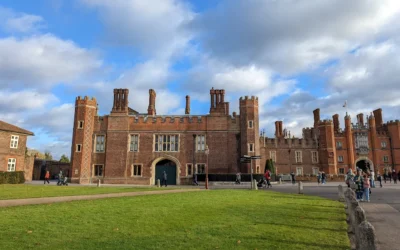
Hampton Court Palace | Everything You Need to Know Twelve miles south-west of central London, on the north bank of the Thames, stands a palace that encompasses the entire drama of Tudor England. Cardinal Wolsey built it. Henry VIII took it — and expanded it, feasted...