
National Railway Museum York
National Railway Museum York | Everything You Need to Know
Step inside the vast railway sheds of York and you enter the largest railway museum on earth — a cathedral of steam, steel and speed where over 100 locomotives stand shoulder to shoulder, each one a piece of history. Here is Mallard, the fastest steam locomotive ever built, still holding its 126 mph world record from 1938. Here is the legendary Flying Scotsman, the most famous steam engine in the world. And here, astonishingly, sits a genuine Japanese bullet train — one of only a handful displayed anywhere outside Japan. It is a place that tells the story not just of Britain’s railways, but of how the railway changed the entire world.
What makes it all the more remarkable is that entry is completely free. From the record-breaking giants of the Great Hall to the hands-on science of Wonderlab, this is one of the most rewarding days out in the north of England — for lifelong railway enthusiasts and curious families alike. This guide covers everything you need to know before you go.
Where Is the National Railway Museum?
The National Railway Museum is located at Leeman Road, York, YO26 4XJ, right beside York Railway Station — making it one of the most easily reached major attractions in the country if you arrive by train. It’s a short five-to-ten-minute walk from the station, or around fifteen minutes from York city centre. Nearby landmarks include the magnificent York Minster and the medieval Shambles.
For navigation, enter the postcode YO26 4XJ into any map app. The walk from the station is scenic and well signposted.
Opening Hours
The museum is open daily, with free general admission:
- Daily: 10:00 AM – 5:00 PM (last admission 4:30 PM)
- Wonderlab gallery: 10:00 AM – 4:30 PM (last admission 3:30 PM)
- Closed: 24–26 December
Café hours vary by season and term time, and parts of the museum occasionally close for the major redevelopment work that is gradually transforming the site. As hours and gallery availability can change, it’s always worth checking the official website before you visit.
How to Get to the National Railway Museum
The museum’s position right beside York Railway Station makes it wonderfully easy to reach.
By train. York is a major rail hub on the East Coast Main Line, with fast, frequent services from across the country. The museum is just a five-to-ten-minute walk from the station — exit, turn left past the hotel, and follow Leeman Road, or use the station footbridge for direct access.
By bus. Regular local buses stop near the museum, connecting it to York city centre.
By road train. A wheelchair-accessible road train runs regularly between York Minster (Duncombe Place) and the museum for a small fare each way — a fun option, especially with children.
By car. The museum’s Leeman Road car park costs around £10 per day and fills quickly at weekends and during holidays (free for blue badge holders). Marygate car park is an alternative, a ten-to-fifteen-minute walk away.
Compare Transfers & Local Transport in York →
The Best Time to Visit
A little timing makes for a calmer visit. Weekdays outside the school holidays are the quietest, while weekends and holidays are noticeably busier. Early mornings (between 10:00 and 11:00 AM) or later afternoons (after 3:00 PM) are the best windows to enjoy the locomotives without the crowds.
As an entirely indoor attraction, the museum is an excellent choice on a rainy day — and York’s weather can certainly be unpredictable. Special experiences, such as the Flying Scotsman VR ride, can draw larger crowds, so it’s worth planning around them or booking ahead.
Tickets and Costs
General admission to the museum is completely free, though a small voluntary donation is warmly encouraged to support its work. A few special experiences carry a charge:
| Experience | Price |
|---|---|
| General Admission | Free (donation encouraged) |
| Wonderlab: The Bramall Gallery | £5.00 (ages 5+) |
| Flying Scotsman VR Experience | £7.00 (ages 8+) |
| Road Train | Small fare each way |
Booking your free admission ticket online in advance can save time during peak periods, and paid experiences can be reserved alongside it. As prices are reviewed periodically, it’s worth checking the official website for current rates before visiting.
What to Expect
A visit to the National Railway Museum is a journey through more than 300 years of railway history, and most visitors spend around one and a half to two hours exploring (though enthusiasts can happily lose a whole day here).
The Great Hall is the breathtaking centrepiece — home to Mallard, the world’s fastest steam locomotive, alongside the elegant Stirling Single, the powerful Duchess of Hamilton, and the gleaming Japanese Shinkansen bullet train, the only one of its kind on display outside Japan. The contrast between Victorian steam and Japanese high-speed engineering, side by side, is genuinely striking.
Browse York Tours & Experiences →
The Flying Scotsman — the most famous locomotive in the world — takes pride of place, with an optional VR experience that simulates a 100 mph footplate ride. Wonderlab: The Bramall Gallery is a brilliant interactive space for children and families, with hands-on exhibits exploring the science of railways, from a human wind tunnel to rocket launches. Elsewhere, the Signalling Gallery offers a window onto the workings of York’s busy railway station and the city’s pivotal role in railway history.
The museum’s library and archive — holding over 20,000 books and more than a million photographs — is a treasure trove for researchers. Facilities include two cafés, a railway-themed gift shop, restrooms and water refill stations, plus a free audio guide via the museum’s app.
Safety and Accessibility
Safety. The museum maintains a visible security presence, and visitors are encouraged to report anything of concern to staff. Take care on uneven surfaces in some of the older exhibit areas.
Accessibility. The museum is highly accessible, with ramps, lifts and accessible restrooms throughout. Guide and assistance dogs are welcome, and wheelchairs are available on a first-come, first-served basis. The road train is wheelchair-accessible via a rear ramp, and the nearest Changing Places facility is at York Station. As ongoing redevelopment work occasionally affects access to certain areas, it’s worth checking ahead or contacting the museum if you have specific needs.
Families. The museum is genuinely family-friendly and stroller-accessible, with Wonderlab a particular hit with children. High chairs and bottle-warming facilities are available in the cafés.
Where to Stay Near the National Railway Museum
Staying in York places you within easy reach of the museum and one of England’s most beautiful and historic cities — a compact, walkable place wrapped in medieval walls, with the soaring Minster, the cobbled Shambles and centuries of history at every turn.
A few areas worth considering:
- City Centre & within the walls — the most atmospheric option, close to the Minster, the Shambles and a short walk from the museum. Historic and wonderfully central.
- By the Station & Leeman Road — the most convenient for the museum itself and for arriving by train, with a good range of hotels.
- Bishopthorpe Road & Bootham — slightly quieter areas just outside the centre, with characterful independent cafés and a more local, relaxed feel.
York is a hugely popular destination year-round, so booking accommodation ahead — especially for weekends and summer — is strongly recommended.
Find Hotels Near the National Railway Museum →
A Brief History of the National Railway Museum
The National Railway Museum opened in 1975 as part of the Science Museum Group, created to preserve and celebrate Britain’s extraordinary railway heritage — the heritage of the nation that gave the railway to the world. It cares for the national collection of around 280 rail vehicles, of which roughly 100 are displayed at York, alongside thousands of artefacts spanning from early wagonway vehicles of around 1815 to modern high-speed trains.
Among its treasures are a replica of George Stephenson’s Rocket of 1829 — the locomotive that effectively launched the railway age — and locomotives built in Britain for railways as far afield as China, a reminder of how British engineering shaped rail networks across the globe. The museum’s outstanding collection earned it the European Museum of the Year Award in 2001.
A detail that captures its global reach: the museum’s Japanese Shinkansen “bullet train” was donated by Japan in 2001 and is one of only a tiny number ever displayed outside the country — a fitting tribute, given that Japan’s high-speed rail was itself inspired by the railway pioneered in Britain.
Nearby Attractions
York is one of England’s richest historic cities, with a wealth of attractions close to the museum.
| Attraction | Why Visit | Distance |
|---|---|---|
| York Minster | One of Europe’s greatest Gothic cathedrals, with stunning stained glass | ~10-min walk |
| The Shambles | A picture-perfect medieval street of timber-framed buildings | ~15-min walk |
| Jorvik Viking Centre | An immersive journey into York’s Viking past | ~15-min walk |
| Clifford’s Tower | A historic castle keep with panoramic views over the city | ~15-min walk |
| York Castle Museum | Everyday history brought to life through recreated streets and rooms | ~20-min walk |
A natural day out: explore the railway museum in the morning, walk (or take the road train) to York Minster, then wander the medieval Shambles and the city’s ancient streets in the afternoon.
Explore York with a Sightseeing Pass →
Practical Tips for Your Visit
- Entry is free, but book your free admission ticket online ahead of busy periods to save time, and reserve paid experiences (Wonderlab, Flying Scotsman VR) in advance.
- Wear comfortable walking shoes. The exhibition halls are vast, and you’ll cover plenty of ground.
- Bring a compact travel umbrella. York’s weather is unpredictable, and you may be exploring the city too.
- Overseas visitor? The UK uses Type G plugs — a UK travel adapter is essential for charging your devices.
- Arrive early or late. Coming around 10:00 AM or after 3:00 PM means quieter halls and a calmer experience.
- Use the free audio guide via the museum’s app — it adds rich context to the locomotives.
- Photography is welcome for personal use, though tripods and drones are not permitted.
- Take the train. With York station next door, arriving by rail is genuinely the easiest and most fitting way to visit.
Frequently Asked Questions
What are the opening hours of the National Railway Museum York?
The museum is open daily from 10:00 AM to 5:00 PM, with last admission at 4:30 PM. It is closed on 24–26 December. Some galleries and cafés have their own hours, and redevelopment work can affect access, so check the official website for the latest schedule.
How much does it cost to visit the National Railway Museum York?
General admission is completely free, with a small voluntary donation encouraged. Special experiences such as Wonderlab (£5) and the Flying Scotsman VR (£7) carry a charge. As prices can change, check the official website for current rates.
Is the National Railway Museum suitable for children?
Yes — it’s wonderfully family-friendly, with the interactive Wonderlab gallery, stroller access and engaging exhibits throughout. The locomotives are a thrill for children and adults alike.
Are there any discounts available for the National Railway Museum York?
General admission is already free. A York sightseeing pass may offer free road train access and other savings, and booking paid experiences online is recommended.
How long does a visit to the National Railway Museum take?
A typical visit lasts one and a half to two hours, though railway enthusiasts can easily spend a full day exploring the extensive collection, library and archive.
Is photography allowed at the National Railway Museum York?
Yes — photography for personal use is welcome throughout. Tripods and drones are not permitted.
Are there guided tours available at the National Railway Museum?
Standard guided tours are not generally offered, but a free audio guide is available via the museum’s app, along with special events and experiences throughout the year.
What’s the best way to get to the National Railway Museum from York city centre?
It’s a fifteen-minute walk from the city centre, or you can take a local bus or the road train from York Minster. From York Railway Station, it’s just a five-to-ten-minute walk.
Is the National Railway Museum York wheelchair accessible?
Yes — the museum has ramps, lifts and accessible facilities throughout, and the road train is wheelchair-accessible. Some areas may be affected by ongoing redevelopment, so contact the museum for specific needs.
Are there dining options near the National Railway Museum York?
The museum has two on-site cafés, and York city centre — a short walk away — offers a wide range of cafés and restaurants.
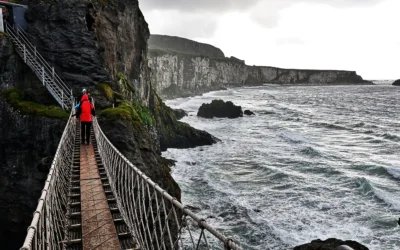
Carrick-a-Rede Rope Bridge
Carrick-a-Rede Rope Bridge | Everything You Need to Know On the northern coast of County Antrim, where the Causeway Coast meets the Atlantic in a series of basalt cliffs and sea stacks, a rope bridge 20 metres long and 30 metres above the ocean connects the mainland...
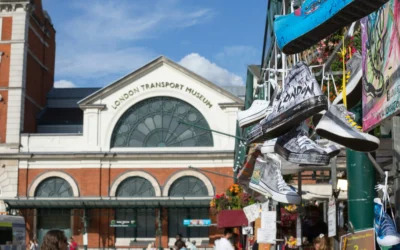
London Transport Museum
London Transport Museum | Everything You Need to Know In a Victorian iron and glass building that was once a flower market, in the heart of Covent Garden, one of the world's great transport collections tells the story of a city. The London Transport Museum covers two...

London Zoo
London Zoo | Everything You Need to Know In Regent's Park, where the formal gardens give way to the northern edge of the park's green expanse, there is an institution that has been housing and studying animals since 1828. London Zoo is the world's oldest scientific...
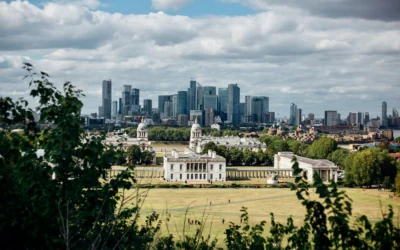
Greenwich Park London
Greenwich Park London | Everything You Need to Know On a hill in southeast London, where the land rises steeply from the Thames, there is a park from which you can see the full spread of the city: Canary Wharf's towers glittering to the west, the Shard rising above...
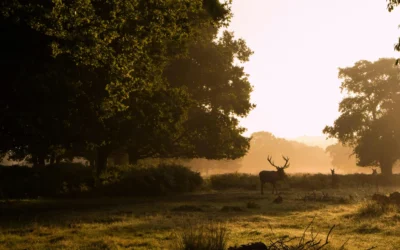
Richmond Park London
Richmond Park London | Everything You Need to Know Eight miles from central London, in the borough of Richmond upon Thames, a 12-foot wall built in 1637 by Charles I encloses 2,500 acres of parkland and has contained within it — largely unaltered since the 17th...