
Eden Project
Eden Project Cornwall | Everything You Need to Know
Somewhere in the middle of Cornwall, at the bottom of what was once a vast working china clay pit, there is a rainforest. Two enormous geodesic biomes — structures so large they could enclose eighteen Albert Halls between them — rise from the terraced hillsides of the old quarry, housing entire ecosystems drawn from the tropics and the Mediterranean. The larger one holds the world’s biggest indoor rainforest: bananas, rubber trees, bamboo, mahogany, the entire cast of a tropical forest brought together under a dome of hexagonal steel and ethylene-tetrafluoroethylene pillows in a worked-out hole in the Cornish ground.
The Eden Project is one of the most extraordinary places in Britain. More than 4,000 plant species, 1.8 million plants, eight biomes and gardens, art installations, live performances and a working solar landscape on the terraced sides of the pit. It is an educational charity with a serious mission — environmental awareness, sustainability, understanding our relationship with the natural world — and it is also, genuinely, one of the most visually stunning places you will ever visit. This guide covers everything you need to know before you go.
Where Is the Eden Project?
The Eden Project is located at Bodelva, Cornwall, PL24 2SG, in a reclaimed china clay pit near the town of St Austell. The surrounding countryside is typically Cornish — rolling hills, old spoil tips from the china clay industry, and the coast not far away. Nearby landmarks include St Austell, Charlestown Harbour and the Tregrehan Garden.
For navigation, enter the postcode PL24 2SG into any sat-nav or map app and follow the brown tourist signs from the A391 (avoid narrow lanes by following these signs rather than cutting through minor roads).
Opening Hours
The Eden Project opens daily at around 9:30–10:00 AM, with closing times that vary by season — typically between 4:00 PM and 6:00 PM, with later closing in summer. Last entry is generally one and a half to two hours before closing, and the biomes close around thirty minutes before the main site.
The site closes on Christmas Day and for brief maintenance periods in January and February. As hours change through the seasons and vary for special events, it’s essential to check the official website before booking and travelling.
How to Get to the Eden Project
By car. The most common approach. The site is well signposted from the A391 and offers ample free parking, including electric vehicle charging points. Follow the brown tourist signs — some sat-nav routes can take you down narrow lanes; the A391 approach avoids this. Motorhomes and campervans can use the coach park if oversized; overnight parking is not permitted.
By train and bus. The nearest station is St Austell, around 5 miles away, served by Great Western Railway and CrossCountry. From St Austell station, buses run to the Eden Project (routes 24, 26, 28, 31, 428). A taxi is quicker.
By bike or on foot. Cycling and walking routes connect from nearby areas. Bike racks are available at the Banana Coach Park. Lockers for luggage are available near the Visitor Centre.
Green travel incentive. Visitors arriving by train, bus, bike or on foot can claim a free Eden Guide Book at the Visitor Centre (present your travel receipt). Check the official website for current details.
Compare Transfers & Local Transport in Cornwall →
The Best Time to Visit
Spring (March to May) is one of the best times to visit — the outdoor gardens bloom vibrantly, the weather is pleasant, and the summer crowds haven’t arrived yet. Summer (June to August) brings the busiest season, with vibrant gardens, events including the famous Eden Sessions open-air music concerts, and the longest opening hours — but expect the largest crowds, especially during school holidays.
Autumn (September to November) offers beautiful seasonal colours and a noticeably quieter experience. Winter (December to February) sees the fewest visitors, and the warm biomes make an appealing refuge from Cornish weather, with possible seasonal events around Christmas.
For any season, weekdays and early mornings (arriving as the site opens) give the quietest experience. The Rainforest Biome can be hot and humid — if you are sensitive to heat, visit early in the day before temperatures build.
Tickets and Costs
The Eden Project’s standard admission ticket is an annual pass — valid for twelve months, allowing return visits throughout the year. Booking online in advance is cheaper than paying on the door, and during school holidays pre-booking is required to guarantee entry.
| Ticket Type | Approx. Online Price | Notes |
|---|---|---|
| Adult | ~£38 | Annual pass (one year’s entry) |
| Student/Young Adult (17–25) | ~£32.50 | Proof required |
| Child (5–16) | ~£12 | |
| Under-5 | Free | Up to four per adult |
| Carer / Personal Assistant | Free | |
| Universal Credit / Pension Credit | ~£5 (adult), ~£1 (child) | Single-day entry; discounted |
A Locals’ Pass for Cornwall and Devon residents, annual memberships and premium guided experiences are also available at separate rates. As prices are reviewed periodically, check the official website for current pricing before booking.
Check Tickets & Book in Advance →
What to Expect
A visit to the Eden Project is a full-day experience — most visitors spend four hours or more, and a whole day rewards careful exploration.
The Rainforest Biome is the centrepiece — the world’s largest indoor rainforest, home to plants from Southeast Asia, West Africa and South America. The humidity, the scale, the canopy walkway threading between the tree canopy and the dome above — it is genuinely unlike anything else in Britain. Banana trees, rubber trees, cocoa, bamboo groves and the towering timber trees of the humid tropics all flourish here. The Canopy Walkway lifts you above the forest floor for a treetop perspective.
The Mediterranean Biome is warmer and drier, filled with plants from Mediterranean climates — California, South Africa, Western Australia, the Mediterranean basin itself — with vibrant flower displays, olive groves and seasonal crops. Outside, the Outdoor Gardens cascade down the terraced sides of the old clay pit in a series of themed planting areas, art installations, sculpture trails and the family-friendly Nature’s Playground adventure area.
Browse Cornwall Tours & Experiences →
The Invisible Worlds Exhibition explores the microscopic life that underpins all ecosystems. Throughout the year, Eden Sessions — open-air concerts by major artists held in the natural amphitheatre of the pit — and other events and exhibitions enliven the site’s programme.
Facilities include cafés, restaurants and food stalls serving sustainable food, a gift shop, accessible restrooms, water refill stations and picnic areas. Dogs are welcome in the outdoor areas but not in the biomes.
Safety and Accessibility
Safety. The site is well managed with clear pathways and staff throughout. Take care in the humid biomes — wear light clothing and stay hydrated. Mobility scooter users should follow the guidelines provided on arrival.
Accessibility. The Eden Project has won multiple awards for accessibility. Free manual wheelchairs (25 available) and bookable electric mobility scooters are provided. Accessible parking is available in designated car parks. A Changing Places toilet, Braille guide books, text readers and assistance dog facilities (including water) are all provided. Personal assistants enter free. Contact Guest Services in advance for specific needs.
Families. Pushchairs are available for hire, and Nature’s Playground caters for children of all ages. Under-5s enter free (up to four per paying adult), and the mix of indoor and outdoor environments suits all weather.
Where to Stay Near the Eden Project
Cornwall is a magnificent base for a visit to the Eden Project — and the county has enough to fill several days beyond the project itself: coastal paths, beaches, historic harbours and gardens are all within reach.
A few areas worth considering:
- St Austell & Trewhiddle — the most immediate option, just a few miles from the Eden Project, with a good range of hotels and B&Bs.
- St Mawes & the Roseland Peninsula — a short drive south, spectacularly beautiful with harbour views, excellent restaurants and a relaxed atmosphere.
- Falmouth — around 20 minutes away, a wonderful Georgian port town with a great food scene, beaches and the National Maritime Museum Cornwall.
Cornwall fills very quickly in summer — booking accommodation well ahead is essential for July and August.
Find Hotels Near the Eden Project →
A Brief History of the Eden Project
The Eden Project was conceived in 1996 by Tim Smit, the entrepreneur who had previously helped restore the Lost Gardens of Heligan nearby. The site chosen — a disused china clay pit at Bodelva that had been operational for over 160 years — presented formidable challenges: the pit was still filling with water, the logistics of building on the steep, unstable sides required entirely new engineering solutions, and the scale of the ambition was without precedent.
Construction began in 1998, the Visitor Centre opened in May 2000 and the full site launched on 17 March 2001. It was an immediate sensation, attracting nearly two million visitors in its first year. Notable subsequent milestones include hosting the 2005 Live 8 concert, planting Europe’s second-largest redwood forest in 2016, and beginning to draw on geothermal energy from beneath the site in 2023.
The Eden Project operates as an educational charity (The Eden Trust), receiving no government revenue funding and reinvesting all income into its conservation, educational and social enterprise work. Plans for an Eden Project North in Morecambe on the Lancashire coast are also in development.
A detail that captures its ambition: the Rainforest Biome’s floor was below the water table when construction began. The builders had to continuously pump water from the pit while laying foundations. The project came close to failure more than once.
Nearby Attractions
Cornwall is exceptionally rich in natural and historic attractions close to the Eden Project.
| Attraction | Why Visit | Distance |
|---|---|---|
| Charlestown Harbour | A beautifully preserved 18th-century harbour with tall ships | ~10-min drive |
| Tregrehan Garden | A spectacular Victorian garden with rare plants and towering trees | ~10-min drive |
| The Clay Trails | Walking and cycling trails through Cornwall’s china clay landscape | ~5-min drive |
| Wheal Martyn Clay Works | A heritage site exploring the industry that shaped this landscape | ~10-min drive |
| Lost Gardens of Heligan | Extensive restored Victorian gardens, a companion to Eden’s story | ~20-min drive |
A natural pairing: combine the Eden Project with the Lost Gardens of Heligan — two of Cornwall’s most celebrated horticultural destinations, both connected to Tim Smit’s vision.
Explore the South West with a Sightseeing Pass →
Practical Tips for Your Visit
- Book online in advance. Pre-booking saves money and guarantees entry, especially during school holidays when on-site booking is required.
- Bring comfortable walking shoes with grip. The site slopes steeply down into the old clay pit and involves considerable walking on varied surfaces.
- Pack a waterproof jacket. Even in summer, Cornwall’s weather can change quickly in the outdoor areas.
- Bring sunscreen. The biomes transmit UV light — you can get sunburnt inside the Rainforest Biome on a sunny day.
- Bring a reusable water bottle. Water refill stations are available throughout the site, and the eco-conscious ethos of the place encourages it (you get 30p off hot drinks with a reusable cup too).
- Arrive at opening time. The biomes before the crowds arrive are an entirely different experience — quieter, more atmospheric and easier to photograph.
- Photography is welcome for personal use; tripods and drones are not permitted.
Frequently Asked Questions
What are the opening hours of the Eden Project Cornwall?
The site typically opens at around 9:30–10:00 AM daily, with closing times varying from 4:00 PM to 6:00 PM depending on the season. The site closes on Christmas Day and for maintenance in winter. Always check the official website for current hours before booking.
How much does it cost to visit the Eden Project Cornwall?
Standard adult tickets are around £38 online (cheaper than walk-up). The ticket is an annual pass valid for twelve months. Children (5–16) are around £12; under-5s enter free. Discounted tickets are available for those on Universal Credit or Pension Credit. Check the official website for current rates.
Is the Eden Project suitable for children?
Yes — it’s one of the best family days out in England. Nature’s Playground, free entry for under-5s and the sheer spectacle of the biomes make it particularly engaging for children.
Are there any discounts available for the Eden Project Cornwall?
Online booking is cheaper than walk-up. Locals’ Passes for Cornwall and Devon residents offer year-round access at reduced rates. Heavily discounted single-day tickets are available for those on Universal Credit or Pension Credit.
How long does a visit to the Eden Project take?
A typical visit lasts four hours; a full day allows thorough exploration of all biomes, gardens and installations.
Is photography allowed at the Eden Project Cornwall?
Yes — personal photography is welcome throughout. Tripods and drones are not permitted.
Are there guided tours available at the Eden Project?
Free daily Biome tours are included in admission. Premium guided experiences with expert guides can be booked in advance for an additional fee.
What’s the best way to get to the Eden Project from St Austell?
From St Austell train station, buses (routes 24, 26, 28, 31, 428) run to the Eden Project. A taxi takes around ten minutes. Driving, follow the A391 and brown tourist signs — free parking is available on site.
Is the Eden Project wheelchair accessible?
Yes — free manual wheelchairs and bookable electric mobility scooters are available. Accessible parking, a Changing Places toilet and personal assistant free entry are all provided.
Are there dining options near the Eden Project Cornwall?
On-site cafés and restaurants serve sustainable food. St Austell and the surrounding Cornish villages offer additional options within a short drive.
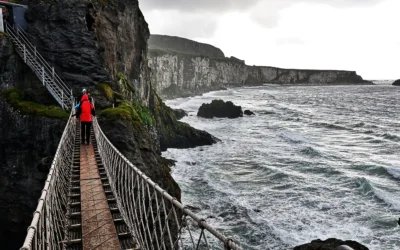
Carrick-a-Rede Rope Bridge
Carrick-a-Rede Rope Bridge | Everything You Need to Know On the northern coast of County Antrim, where the Causeway Coast meets the Atlantic in a series of basalt cliffs and sea stacks, a rope bridge 20 metres long and 30 metres above the ocean connects the mainland...
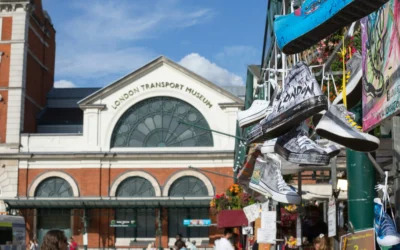
London Transport Museum
London Transport Museum | Everything You Need to Know In a Victorian iron and glass building that was once a flower market, in the heart of Covent Garden, one of the world's great transport collections tells the story of a city. The London Transport Museum covers two...

London Zoo
London Zoo | Everything You Need to Know In Regent's Park, where the formal gardens give way to the northern edge of the park's green expanse, there is an institution that has been housing and studying animals since 1828. London Zoo is the world's oldest scientific...
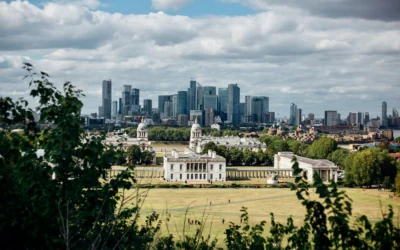
Greenwich Park London
Greenwich Park London | Everything You Need to Know On a hill in southeast London, where the land rises steeply from the Thames, there is a park from which you can see the full spread of the city: Canary Wharf's towers glittering to the west, the Shard rising above...
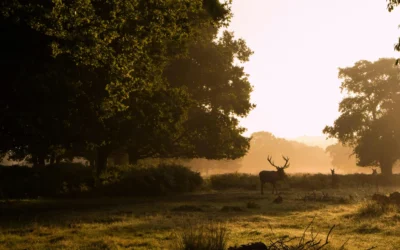
Richmond Park London
Richmond Park London | Everything You Need to Know Eight miles from central London, in the borough of Richmond upon Thames, a 12-foot wall built in 1637 by Charles I encloses 2,500 acres of parkland and has contained within it — largely unaltered since the 17th...