
Churchill War Rooms
Churchill War Rooms London | Everything You Need to Know
Beneath the busy streets of Westminster lies one of London’s most extraordinary hidden places: the secret underground bunker from which Winston Churchill and his government steered Britain through the Second World War. Step down into the Churchill War Rooms and you enter a world frozen in 1945 — maps still pinned to the walls, telephones poised on desks, the Cabinet Room set exactly as it was on the day the lights were switched off and the doors closed. It is history you can almost reach out and touch.
Part of the Imperial War Museums, the site pairs these preserved Cabinet War Rooms with the immersive Churchill Museum, a fascinating exploration of the life of one of Britain’s most iconic leaders. Together they tell a gripping story of secrecy, resilience and leadership in the nation’s darkest and finest hours. Whether you’re a history enthusiast or simply after a unique London experience, it’s an unforgettable visit. This guide covers everything you need to know before you go.
Where Are the Churchill War Rooms?
The Churchill War Rooms are located at Clive Steps, King Charles Street, Westminster, London SW1A 2AQ. They sit right in the heart of historic London, near Horse Guards Parade and St James’s Park, and within a short walk of the Houses of Parliament, Big Ben and Westminster Abbey.
This central Westminster setting makes the War Rooms easy to combine with London’s other great landmarks. For navigation, any map app will guide you to the entrance at Clive Steps, just off King Charles Street.
Opening Hours
The Churchill War Rooms keep simple, consistent hours throughout the year:
- Daily: 9:30 AM – 6:00 PM (last admission 5:00 PM)
Hours can occasionally vary during holidays or special events, so it’s worth checking the official Imperial War Museums website for the latest schedule before you visit.
How to Get to the Churchill War Rooms
The War Rooms’ central location makes them straightforward to reach.
By Underground. The nearest stations are Westminster (Circle, District and Jubilee lines) and St James’s Park (Circle and District lines), both a short walk away.
By bus. Many routes stop nearby, including the 3, 11, 12, 24, 88, 148, 159 and 211. The TfL journey planner will find the best option.
By rail. Charing Cross station is approximately a ten-minute walk away.
On foot. From Trafalgar Square it’s a ten-minute walk via Whitehall; from Buckingham Palace, about fifteen minutes via The Mall and Horse Guards Road — both pleasant routes through ceremonial London.
By car. Parking in central London is limited and expensive, so public transport is recommended. If you must drive, the nearest options are Q-Park Westminster and NCP St James’s.
Compare Transfers & Local Transport in London →
The Best Time to Visit
A little timing makes for a calmer visit. Weekdays — especially outside school holidays — are the quietest, with early mornings and late afternoons the least crowded times of day. Spring and autumn are ideal seasons, as summer brings the heaviest tourist traffic.
As an entirely indoor, underground attraction, the Churchill War Rooms are also a perfect choice for a rainy day, offering an absorbing, atmospheric escape from London’s unpredictable weather whatever the forecast.
Tickets and Costs
A ticket to the Churchill War Rooms includes both the Cabinet War Rooms and the Churchill Museum, along with a free audio guide. Advance booking is strongly recommended to secure your slot and avoid queues.
| Ticket Type | Price | Notes |
|---|---|---|
| Adult | £33 | Includes free audio guide |
| Child (5–15) | £16.50 | Includes free audio guide |
| Child (under 5) | Free | Must be accompanied by an adult |
| Concession (Senior 65+, Student, Disabled) | £29.70 | Includes free audio guide |
| Carer | Free | One per disabled visitor |
Discounts are available for groups and online bookings, and holders of passes such as the London Pass enjoy savings or included entry. Limited walk-up tickets are available, with better availability in the afternoon — but booking ahead is by far the safer approach. As prices are reviewed periodically, it’s worth checking the official website for current rates before booking.
Check Tickets & Skip-the-Line Options →
What to Expect
A visit immerses you in the wartime atmosphere of the 1940s, across two distinct and equally compelling sections.
The Cabinet War Rooms are the historic heart of the site — the actual rooms, left virtually untouched since 1945. Here you’ll find the Map Room, its charts and pins frozen exactly in time; the Cabinet Room, where Churchill and his war cabinet made decisions that shaped the conflict; and the remarkable Transatlantic Telephone Room, disguised as a private toilet, from which Churchill spoke in secret with President Roosevelt.
Browse Westminster Tours & Experiences →
The Churchill Museum explores the man himself across his 90-year life, through a treasure trove of personal artefacts — from a rattle he used as a baby and a portrait by Graham Sutherland to the flag that draped his coffin at his state funeral. It’s an intimate, surprisingly moving portrait of an extraordinary figure.
A typical visit lasts two to three hours, with ample time to explore both sections. On-site facilities include restrooms, a café and a gift shop, while audio guides in multiple languages and interactive exhibits keep the experience engaging for all ages.
Safety and Accessibility
Security. The War Rooms maintain a safe environment with staff present throughout and security checks on entry. As with any busy attraction, it’s wise to keep an eye on your belongings.
Accessibility. The site is well equipped for visitors with disabilities, with lifts to all levels, wheelchairs available to borrow, and accessible restrooms. A few areas may have steps given the historic nature of the bunker, so it’s worth checking with staff on arrival about any specific needs. The attraction is family-friendly, with stroller access and interactive exhibits that engage children.
Where to Stay Near the Churchill War Rooms
Staying near the Churchill War Rooms places you in the heart of royal and political London — within walking distance of Big Ben, Westminster Abbey, St James’s Park and Buckingham Palace, and superbly connected to the rest of the city. It’s a prestigious, central base, steeped in history at every turn.
A few neighbourhoods worth considering:
- Westminster & Victoria — the most convenient option, with the War Rooms, Big Ben and the Abbey all within walking distance, and Victoria’s excellent transport links nearby.
- St James’s & Mayfair — elegant and refined, a short walk away through the royal parks, with superb dining and a calmer evening atmosphere.
- Southbank & Waterloo — just across the river, often better value, with lovely Thames-side walks and views back towards Westminster.
Central London accommodation fills quickly around major events and in summer, so booking ahead — especially for weekends — is strongly advisable.
Find Hotels Near the Churchill War Rooms →
A Brief History of the Churchill War Rooms
The Cabinet War Rooms were constructed in 1938–1939, in the tense months before the war, beneath the Treasury building in Whitehall — designed to shield the British government from the aerial bombardment everyone feared was coming. They became operational on 27 August 1939, just days before Britain declared war on Germany.
As Prime Minister, Winston Churchill used the rooms as a secret command centre, frequently working and even sleeping underground during the most intense periods of the conflict. When Japan surrendered in August 1945, the rooms were simply abandoned — left exactly as they were. Their extraordinary historical value was recognised in 1948, and after careful preservation by the Ministry of Works and later the Imperial War Museums, they finally opened to the public in 1984.
A wonderfully human detail: when the rooms were being prepared for preservation, a small stash of sugar cubes belonging to one of the wartime staff, Wing Commander John Heagerty, was discovered tucked away in the Map Room — a tiny, poignant relic of daily life during rationing, hidden for decades.
Nearby Attractions
The War Rooms’ central position makes them easy to combine with London’s most iconic landmarks, nearly all within a short walk.
| Attraction | Why Visit | Distance |
|---|---|---|
| Big Ben & Houses of Parliament | The iconic clock tower and the historic seat of UK government | ~5-min walk |
| Westminster Abbey | The Gothic coronation church, with over 1,000 years of royal history | ~5-min walk |
| Buckingham Palace | The monarch’s official London residence and the Changing of the Guard | ~15-min walk |
| Tate Britain | The national collection of British art from 1500 to today | ~20-min walk |
A natural day out: explore the War Rooms in the morning, walk to Big Ben and Westminster Abbey, then stroll through St James’s Park towards Buckingham Palace in the afternoon.
See Multiple Attractions for Less with a London Pass →
Practical Tips for Your Visit
- Book in advance. Advance booking secures your slot and helps you skip the queues, especially in peak season.
- Overseas visitor? The UK uses Type G plugs — a UK travel adapter is essential for charging your devices.
- Bring a packable lightweight jacket. The underground rooms can feel cool, even in summer.
- Wear comfortable walking shoes. You’ll be on your feet exploring, and the surrounding Westminster sights reward walking.
- Use the free audio guide. Included with your ticket, it brings the rooms and their stories vividly to life.
- Photography is permitted, though tripods and flash are restricted in some areas — check with staff.
- Arrive early to enjoy the quietest galleries, or come in the late afternoon for better walk-up availability.
- Allow enough time. Two to three hours lets you do justice to both the War Rooms and the Churchill Museum.
Frequently Asked Questions
What are the opening hours of the Churchill War Rooms London?
The Churchill War Rooms are open daily from 9:30 AM to 6:00 PM, with last admission at 5:00 PM. Hours can vary on holidays or during special events, so check the official Imperial War Museums website for the latest schedule.
How much does it cost to visit the Churchill War Rooms London?
Adult tickets are £33, children (5–15) are £16.50, and concessions (seniors, students, disabled visitors) are £29.70. Children under 5 and one carer per disabled visitor enter free. Discounts apply for groups and online bookings, and a London Pass offers savings. As prices can change, check the official website for current rates.
Are the Churchill War Rooms suitable for children?
Yes — the site is family-friendly, with interactive exhibits and historical displays that engage children in the story of the Second World War. Stroller access is available.
Are there any discounts available for the Churchill War Rooms London?
Discounts are offered for students, seniors, disabled visitors, groups and online bookings. The London Pass also provides savings or included entry. Check the official website for full details.
How long does a visit to the Churchill War Rooms take?
A typical visit takes two to three hours, covering both the Cabinet War Rooms and the Churchill Museum.
Is photography allowed at the Churchill War Rooms London?
Yes — photography is permitted, though tripods and flash are restricted in some areas. Check with staff for specific guidelines.
Are there guided tours available at the Churchill War Rooms?
Yes — guided tours are available alongside the included multilingual audio guide. Check the official website for current schedules and booking.
What’s the best way to get to the Churchill War Rooms from the city centre?
Take the Underground to Westminster or St James’s Park station, or a bus such as route 3, 11 or 88. It’s also a pleasant ten-minute walk from Trafalgar Square or fifteen minutes from Buckingham Palace.
Are the Churchill War Rooms wheelchair accessible?
Yes — the site offers lifts to all levels, wheelchairs to borrow and accessible restrooms. A few areas may have steps due to the historic structure, so confirm any specific needs with staff on arrival.
Are there dining options near the Churchill War Rooms London?
There’s an on-site café, and the surrounding St James’s Park and Whitehall areas offer a good range of additional cafés and restaurants within a short walk.
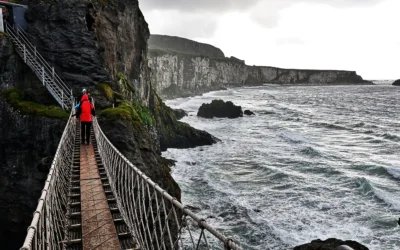
Carrick-a-Rede Rope Bridge
Carrick-a-Rede Rope Bridge | Everything You Need to Know On the northern coast of County Antrim, where the Causeway Coast meets the Atlantic in a series of basalt cliffs and sea stacks, a rope bridge 20 metres long and 30 metres above the ocean connects the mainland...
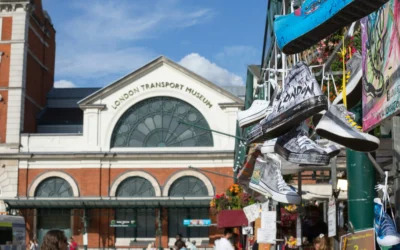
London Transport Museum
London Transport Museum | Everything You Need to Know In a Victorian iron and glass building that was once a flower market, in the heart of Covent Garden, one of the world's great transport collections tells the story of a city. The London Transport Museum covers two...

London Zoo
London Zoo | Everything You Need to Know In Regent's Park, where the formal gardens give way to the northern edge of the park's green expanse, there is an institution that has been housing and studying animals since 1828. London Zoo is the world's oldest scientific...
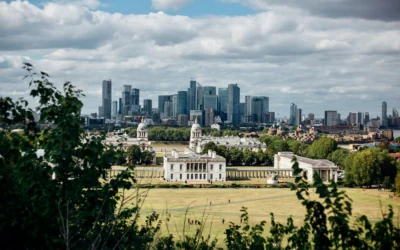
Greenwich Park London
Greenwich Park London | Everything You Need to Know On a hill in southeast London, where the land rises steeply from the Thames, there is a park from which you can see the full spread of the city: Canary Wharf's towers glittering to the west, the Shard rising above...

Richmond Park London
Richmond Park London | Everything You Need to Know Eight miles from central London, in the borough of Richmond upon Thames, a 12-foot wall built in 1637 by Charles I encloses 2,500 acres of parkland and has contained within it — largely unaltered since the 17th...