
Carrick-a-Rede Rope Bridge
Carrick-a-Rede Rope Bridge | Everything You Need to Know
On the northern coast of County Antrim, where the Causeway Coast meets the Atlantic in a series of basalt cliffs and sea stacks, a rope bridge 20 metres long and 30 metres above the ocean connects the mainland to a tiny volcanic island. The bridge sways. The Atlantic moves beneath it. On a clear day, you can see Scotland. And below, somewhere in the deep water, the salmon migration that originally prompted the building of the bridge in 1755 still passes by each spring.
Carrick-a-Rede — the name derives from the Scottish Gaelic for “The Rock in the Road,” referring to the island’s position as an obstacle in the salmon’s migratory path — has been crossed by salmon fishermen, tourists, the nervous and the fearless ever since. The current bridge, rebuilt in 2000, is significantly sturdier than the single-handrail version that existed in the 1970s, and is managed by the National Trust as one of the most spectacular visitor experiences on the Causeway Coast. Pre-booked tickets are essential. This guide covers everything you need to know before you go.
Where Is Carrick-a-Rede Rope Bridge?
Carrick-a-Rede is located near Ballintoy, County Antrim, Northern Ireland — the full address is 119a Whitepark Road, Ballintoy BT54 6LS. It sits along the B15 road, approximately 7 miles east of Bushmills and 5 miles west of Ballycastle, on the Causeway Coastal Route.
For navigation, enter the postcode BT54 6LS into any map app or sat-nav. The car park and starting point for the coastal walk are at the same location.
Opening Hours
Carrick-a-Rede typically opens at 9:30 AM. Closing times vary by season:
- Summer (July and August): Closes at 7:00 PM
- Spring and autumn: Typically closes at 5:00 PM–6:00 PM
- Winter: May close as early as 3:00 PM
The bridge may also close for maintenance or in adverse weather conditions — high winds make it both unsafe and genuinely terrifying. As hours and conditions can change, always check the National Trust website before travelling.
How to Get to Carrick-a-Rede
By car. The most practical option. The drive from Belfast takes around one and a half hours via the A6 and A2. A designated car park is available at the site, but spaces are limited — particularly in summer, when it fills quickly. Parking is included with your bridge ticket. If you wish to walk the coastal path without crossing the bridge, a £10 parking fee applies.
By public transport. The nearest train station is Coleraine, from which Ulsterbus services (172, 252 or 256) run to Ballycastle and Bushmills, with a taxi connection to the site. The Causeway Rambler (Service 402) runs a scenic coastal route — check the Translink website for current schedules.
On foot. From Ballintoy village (around half a mile away), a scenic coastal walk leads to the site. The path is uneven in places, so appropriate footwear is essential.
Compare Transfers & Local Transport in Northern Ireland →
The Best Time to Visit
Spring (April to June) is often the most rewarding season — the coastal wildflowers are in bloom, the light is long, the salmon migration begins and the crowds are smaller than in high summer. Summer (July and August) brings the most visitors; early morning (9:30 AM) and late afternoon (after 3:00 PM) slots are considerably quieter, and off-peak pricing may apply. Autumn (September to October) offers beautiful light and manageable crowds but shorter days and greater chance of bridge closure due to weather. Winter is atmospheric but unpredictable — closures are common.
The bridge can close at short notice in high winds — check the National Trust website or call ahead if weather looks uncertain.
Tickets and Costs
Pre-booking is essential. There are no on-site ticket sales. Tickets must be purchased online in advance via the National Trust website. The number of visitors at any time is strictly managed.
|
Category |
Price Range |
|
Adult (18+) |
£15.00–£17.00 |
|
Child (5–17) |
£7.50–£8.50 |
|
Child under 5 |
Free (ticket required) |
|
Family (2 adults + up to 3 children) |
£37.50–£42.50 |
|
National Trust Member |
Free (membership card required) |
|
Essential Companion/Carer |
Free |
The price range reflects seasonal variation (peak summer vs. off-peak). Groups of 15 or more can contact the site directly for group rates. As prices are reviewed periodically, check the National Trust website for current rates before booking.
Book Carrick-a-Rede & Causeway Coast Tours →
What to Expect
Your visit begins at the car park, followed by a scenic 1km coastal walk (around 20–30 minutes) to the bridge. The path follows the clifftop above the Atlantic, with views of sea stacks, basalt formations and — on clear days — the outline of Rathlin Island and Scotland beyond. It is, before you even reach the bridge, a genuinely beautiful walk.
At the bridge, present your pre-booked ticket to cross. The crossing itself takes a few minutes — the bridge is 20 metres long, 30 metres above the ocean, and it does sway, particularly if the Atlantic wind is up. The surface is firm and the handrails are solid, but the combination of height, movement and the ocean below is genuinely exhilarating and, for those with any anxiety about heights, genuinely challenging. Take your time.
On Carrickarede Island, a small volcanic plug of basalt rising from the sea, there is a fisherman’s cottage to explore and information about the history of the salmon fishery and the bridge’s construction. The panoramic views from the island — back across the mainland cliffs, north to Rathlin and Scotland, east along the coast — are exceptional.
The full experience (walk, crossing, island and return) typically takes two to three hours.
The Weighbridge Tea Room at the car park serves tea, coffee, snacks and ice cream — a welcome stop after the walk. Toilets are also available at the car park.
Safety and Accessibility
Safety. The bridge is regularly inspected and maintained by the National Trust. Staff are present to guide visitors, and the bridge is closed immediately when winds exceed safe levels. Follow staff instructions at all times. Photography is welcome, but do not obstruct the bridge or delay other visitors crossing.
Accessibility. The first 0.5km of the coastal path is accessible, with a viewpoint and accessible telescope for viewing the bridge. The path to the bridge and the bridge itself involve steps and uneven ground, making them unsuitable for wheelchairs, strollers or visitors with significant mobility difficulties. Assistance dogs are welcome throughout the site but cannot cross the bridge.
Families. The crossing is suitable for children, but close supervision is required, particularly on the bridge. The terrain makes strollers impractical for the full walk.
Where to Stay Near Carrick-a-Rede
The Causeway Coast is one of the most spectacular stretches of coastline in the British Isles, and basing yourself in the area allows you to combine Carrick-a-Rede with the Giant’s Causeway, Bushmills, Dunluce Castle and the dramatic cliff scenery.
A few areas worth considering:
- Ballycastle — the closest town (around 5 miles east), with a good range of accommodation and the ferry to Rathlin Island.
- Bushmills — around 7 miles west, a picturesque village convenient for both the rope bridge and the Giant’s Causeway, with a good range of local accommodation.
- Portrush & Portstewart — slightly further west, seaside towns with a wider range of accommodation and excellent access to the whole Causeway Coast.
The Causeway Coast fills up very fast in July and August — booking accommodation well ahead for summer visits is strongly advisable.
Find Hotels Near Carrick-a-Rede →
A Brief History of Carrick-a-Rede Rope Bridge
The rope bridge at Carrick-a-Rede was first erected in 1755 by salmon fishermen who needed a practical way to access Carrickarede Island during the fishing season. The island’s position in the sea — a “rock in the road” for migrating Atlantic salmon — made it a productive fishing station, and the bridge allowed fishermen to access it each spring without having to navigate the tidal waters below.
The original bridge had a single handrail. By all accounts it was genuinely frightening: the 1970s version reportedly had large gaps between the slats and would pitch and twist in even moderate winds. The current bridge, rebuilt in 2000, is a considerably more substantial structure, designed to withstand significant weight and tested by local climbers before opening to visitors.
The island is a volcanic plug — basalt rock that was forced up through the surrounding geology during the same volcanic activity that created the Giant’s Causeway — and is designated an Area of Special Scientific Interest for its unique geology, coastal flora and fauna.
The salmon are still there. Atlantic salmon still migrate through these waters each spring, following the same route that made Carrickarede Island a productive fishing station for centuries. The commercial salmon fishery ended in the 1990s, but the fish pass beneath the bridge every year, unseen.
Nearby Attractions
Carrick-a-Rede sits on one of the most spectacular sections of the Causeway Coastal Route.
|
Attraction |
Why Visit |
Distance |
|
Giant’s Causeway |
40,000 hexagonal basalt columns — UNESCO World Heritage Site |
~7 miles |
|
Ballintoy Harbour |
Photogenic historic harbour, featured in Game of Thrones filming |
~0.5 miles |
|
Dunluce Castle |
Medieval castle perched on a cliff above the Atlantic |
~5 miles |
|
Mussenden Temple |
18th-century cliff-top folly with spectacular coastal views |
~10 miles |
|
Rathlin Island |
Seabird colony with puffins, accessible by ferry from Ballycastle |
~10 miles from Ballycastle |
The classic day out on the Causeway Coast: Carrick-a-Rede in the morning, Giant’s Causeway in the afternoon — two of Northern Ireland’s most iconic natural experiences within seven miles of each other.
Practical Tips for Your Visit
- Book in advance — there is no other way in. Tickets must be purchased online before arrival. Check National Trust availability several weeks ahead in summer.
- Check weather and bridge status. High winds close the bridge at short notice. Check the National Trust website or call the site on the morning of your visit if conditions look uncertain.
- Wear waterproof walking boots. The 1km coastal path can be wet and uneven. Good boots are not optional on the Causeway Coast.
- Pack a waterproof jacket. Atlantic weather on the Antrim coast changes rapidly. Even in summer, a wind-proof and waterproof layer is essential.
- Overseas visitor? The UK uses Type G plugs — a UK travel adapter is essential for charging your devices.
- Come early or late. The 9:30 AM opening slot and late afternoon visits are consistently quieter, particularly in summer.
- National Trust members enter free — but still need to book a timed ticket online.
- Allow time to linger. The coastal path on the return offers different views from the outward leg. Don’t rush back to the car park.
Frequently Asked Questions
What are the opening hours of Carrick-a-Rede Rope Bridge?
The bridge typically opens at 9:30 AM. Closing times vary from 3:00 PM in winter to 7:00 PM in peak summer. The bridge may close at short notice in high winds. Check the National Trust website for current hours.
How much does it cost to visit Carrick-a-Rede Rope Bridge?
Adult tickets range from £15.00 to £17.00; children (5–17) from £7.50 to £8.50; family tickets from £37.50 to £42.50. National Trust members enter free. Tickets must be pre-booked online — no on-site sales. Check the National Trust website for current pricing.
Is Carrick-a-Rede suitable for children?
Yes, with close supervision, particularly on the bridge. The uneven coastal path is unsuitable for strollers. Children under 5 enter free but require a ticket.
Are there any discounts for Carrick-a-Rede?
National Trust members enter free. Groups of 15 or more can contact the site directly for group rates. Off-peak time slots may be priced lower than peak — check the website.
How long does a visit to Carrick-a-Rede take?
The full experience — walk, crossing, island exploration and return — typically takes two to three hours.
Is photography allowed at Carrick-a-Rede?
Yes — photography is encouraged throughout. Be considerate of others and do not delay or obstruct the bridge crossing.
Are there guided tours available at Carrick-a-Rede?
No official guided tours are offered. Information boards and staff are available at the site. Guided Causeway Coast tours from Belfast that include Carrick-a-Rede are widely available.
What’s the best way to get to Carrick-a-Rede from Belfast?
Drive approximately one and a half hours via the A6 and A2. Alternatively, train to Coleraine, then bus to Ballycastle, then taxi.
Is Carrick-a-Rede wheelchair accessible?
The first 0.5km of the coastal path is accessible. The bridge path and bridge itself are not suitable for wheelchairs due to steps and uneven terrain.
Are there dining options near Carrick-a-Rede?
The on-site Weighbridge Tea Room serves hot drinks, snacks and ice cream. Ballintoy and Ballycastle, both within a few miles, offer cafés and restaurants.
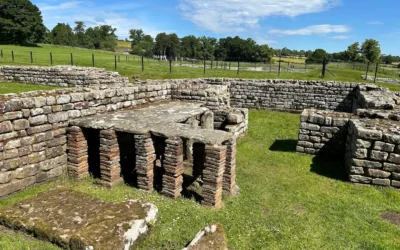
Hadrians Wall
Hadrians Wall | Everything You Need to Know In AD 122, the Emperor Hadrian visited Britain and ordered the construction of a wall. It would stretch 73 miles from coast to coast across the narrowest point of northern England — from the River Tyne in the east to the...
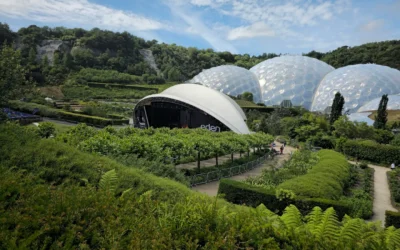
Eden Project
Eden Project Cornwall | Everything You Need to Know Somewhere in the middle of Cornwall, at the bottom of what was once a vast working china clay pit, there is a rainforest. Two enormous geodesic biomes — structures so large they could enclose eighteen Albert Halls...
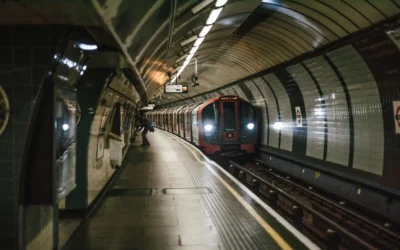
London Underground
London Underground (The Tube) | Everything You Need to Know There is a map on the wall of the Museum of Modern Art in New York, listed as a masterpiece of design. It is Harry Beck's 1931 diagram of the London Underground — a coloured network of lines and circles that...
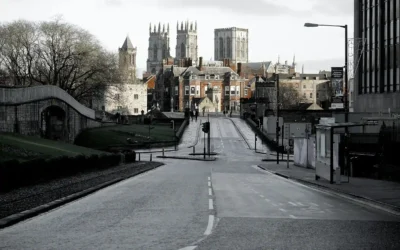
The Shambles in York
The Shambles in York | Everything You Need to Know Nowhere in England is the medieval city preserved quite like this. The Shambles is a narrow lane barely wide enough for two people to pass, its timber-framed buildings tilting towards one another overhead until the...
Palace of Holyroodhouse
Palace of Holyroodhouse Edinburgh | Everything You Need to Know At the foot of the Royal Mile, where the cobblestones end and the great volcanic bulk of Arthur's Seat begins, stands Edinburgh's most dramatic royal landmark. The Palace of Holyroodhouse is the official...