
London Zoo
London Zoo | Everything You Need to Know
In Regent’s Park, where the formal gardens give way to the northern edge of the park’s green expanse, there is an institution that has been housing and studying animals since 1828. London Zoo is the world’s oldest scientific zoo — opened in 1828 for research by the Zoological Society of London, and opened to the public in 1847 when the ZSL found that admission fees were a useful source of funding. It has been open every day since, through two world wars, a pandemic and nearly two centuries of the history of animal science.
Today London Zoo is home to over 750 species — Asiatic lions in a recreated Indian village landscape, Sumatran tigers observed through floor-to-ceiling glass, silverback gorillas in a naturalistic woodland setting, Humboldt penguins in the largest penguin pool in England. As part of the ZSL, it is actively involved in conservation programmes in more than 50 countries. Every ticket sold funds that work. This guide covers everything you need to know before you go.
Where Is London Zoo?
London Zoo is located at Outer Circle, Regent’s Park, London NW1 4RY, on the northern edge of Regent’s Park, with the Regent’s Canal running through part of the grounds. The zoo sits on the boundary between Westminster and Camden.
Nearby landmarks include Primrose Hill, Madame Tussauds and the Sherlock Holmes Museum. For navigation, any map app using “London Zoo” or the postcode NW1 4RY will bring you directly to the entrance on Outer Circle.
Opening Hours
London Zoo is open daily from 10:00 AM. Closing times vary by season:
- Winter season (approximately late October to mid-February): Closes at 4:00 PM (last entry 3:00 PM)
- Spring season (approximately mid-February to late March): Closes at 5:00 PM (last entry 4:00 PM)
- Summer season (approximately late March to late October): Closes at 6:00 PM; may vary for special seasonal events
Special evening events (known as Zoo Nights) run on selected dates in summer, with different ticketing — check the official website for current schedules and any variations.
As hours and dates change seasonally, always check the official London Zoo website before visiting.
How to Get to London Zoo
By Underground. Regent’s Park station (Bakerloo line) is around a ten-minute walk from the zoo entrance. Camden Town (Northern line) is around fifteen minutes’ walk from the north end of the park.
By bus. Routes 274, 31, 139 and 414 stop near the zoo.
By train. Euston mainline station is the closest major rail hub, a short bus or taxi ride away.
By boat. The London Waterbus Company operates a canal boat service along the Regent’s Canal between Camden Lock and Little Venice, with a stop at the zoo. This is a genuinely enjoyable approach and popular with families.
By car. Parking is available in Regent’s Park but limited and can be busy. Public transport is strongly recommended.
Compare Transfers & Local Transport in London →
The Best Time to Visit
London Zoo is open and engaging year-round, but some timing tips make a significant difference.
Weekday mornings (arriving at 10:00 AM) are the quietest at any time of year. Summer weekends, school holidays and peak tourist season (July and August) are the busiest periods. Spring (March to May) and early autumn (September to October) offer pleasant weather, manageable crowds and active animals.
Seasonal events — including special evening events in summer (Zoo Nights), May half-term activities and seasonal programming — enhance visits but draw larger crowds. Check the official website for the current events calendar before booking.
The zoo’s excellent indoor exhibits (the Aquarium, Tiny Giants, Gorilla Kingdom) make it a perfectly good choice for rainy days.
Tickets and Costs
All tickets must be booked online in advance through the official London Zoo website. Walk-up entry is not available.
|
Category |
Price (approx.) |
|
Adult (16–64) |
£34.50 |
|
Child (3–15) |
£27.50 |
|
Senior (65+) / Student / Disabled |
£31.50 |
|
Under-3 |
Free |
|
Carer of disabled visitor |
Free |
Discounts available:
- Reduced-price tickets for those receiving Universal Credit, Pension Credit, Housing Benefit or similar benefits — details on the official website
- 2-for-1 tickets when travelling by train (via the National Rail Days Out Guide)
- Blue Peter badge holders visit free
ZSL memberships provide unlimited entry for the year and discounts on events. As prices are reviewed periodically, check the official website for current rates before booking.
Check Tickets & Book London Zoo →
What to Expect
London Zoo is a full-day destination — most visitors spend three to four hours, families often longer.
Land of the Lions is one of the most impressive exhibits: a recreated Indian village landscape in which a pride of Asiatic lions moves freely. Asiatic lions — the last wild population lives in the Gir Forest in Gujarat — are critically endangered, with fewer than 700 remaining in the wild. London Zoo’s pride is part of the European Endangered Species Programme.
Tiger Territory allows visitors to observe Sumatran tigers through floor-to-ceiling glass at close range. Gorilla Kingdom provides a naturalistic forest setting for a family group of western lowland gorillas. Penguin Beach is home to Humboldt penguins and includes underwater viewing tunnels. Monkey Valley is a walk-through habitat with Colobus monkeys moving freely above visitors.
Browse London Zoo Tours & Experiences →
Tiny Giants explores the world of insects and invertebrates — one of the zoo’s most underrated exhibits and particularly fascinating for children. The Aquarium provides excellent underwater viewing. Daily events throughout the day include keeper talks, feeding sessions and interactive experiences — the daily programme is available via the zoo’s app and at information points throughout the site.
Facilities include cafés and food outlets at various points, gift shops, accessible restrooms, picnic areas (no glass containers — note the zoo’s grounds are alcohol-free, so brought drinks should be non-alcoholic), and the London Zoo app which provides a map, daily schedule and route planner.
Safety and Accessibility
Safety. Bag checks and security screening are conducted at the entrance. Standard zoo safety guidance applies — stay behind barriers, do not attempt to touch or feed animals, and follow keeper instructions during talks and feeding sessions.
Accessibility. The zoo is largely wheelchair-accessible, with ramps, lifts and level access to most buildings. Wheelchair hire and one mobility scooter are available (book in advance via the ZSL Supporter Services). Accessible restrooms are throughout the site. Specialist tours including British Sign Language tours, audio-described tours and Relaxed Opening visits are available — check the official website for schedules.
Important: Assistance dogs are not permitted inside London Zoo, due to the impact on the animals. Carers of disabled visitors enter free, and full accessibility support is available.
Families. London Zoo is outstanding for families, with the interactive exhibits, daily talks and the sheer variety of animals. Under-3s enter free.
Where to Stay Near London Zoo
Staying near London Zoo places you in the northern arc of central London — Regent’s Park, Primrose Hill and Camden all on the doorstep, with excellent transport links into the city and west towards Notting Hill and Kensington.
A few areas worth considering:
- Regent’s Park & Marylebone — the most immediate option, elegant and centrally located, with the park and the zoo a short walk.
- Camden Town — vibrant and lively, just north of the zoo, with excellent transport and a wide range of accommodation at various prices.
- Primrose Hill — quiet and residential, one of London’s most pleasant neighbourhoods, with great views and independent cafés nearby.
A Brief History of London Zoo
The Zoological Society of London was founded in 1826 by Stamford Raffles (who also founded Singapore) and the naturalist Sir Humphry Davy, with the specific goal of establishing a collection of animals for scientific study. London Zoo opened its doors in Regent’s Park in April 1828, initially open only to Fellows of the ZSL. It became a public institution in 1847.
The zoo has been at the forefront of zoology throughout its history — the first aquarium open to the public (1853), the first reptile house (1849), the first insect house (1881). It was also the first zoo in Europe to exhibit giant pandas.
The ZSL has evolved significantly in its mission since the 19th century, with conservation now its central purpose. The organisation now has formal protected area programmes, field conservation teams and breeding programmes for endangered species across more than 50 countries worldwide.
A detail that fixes the zoo’s place in the history of science: the first zoo to introduce the concept of exhibiting animals in naturalistic settings rather than Victorian cages was a direct response to research conducted at London Zoo on animal behaviour in captivity. The idea that animals need space and environmental complexity to behave naturally — now fundamental to zoo design worldwide — was developed in part by observing what happened when they did not have it. London Zoo was both the problem and the solution.
Nearby Attractions
London Zoo’s location in Regent’s Park opens up an excellent cluster of north London attractions.
|
Attraction |
Why Visit |
Distance |
|
Regent’s Park |
The broader park — boating lake, formal gardens, open-air theatre |
Surrounding the zoo |
|
Primrose Hill |
Hill with a panoramic view of London’s skyline — free |
~10-min walk |
|
Camden Market |
One of London’s most famous markets — street food, craft, vintage |
~15-min walk |
|
Madame Tussauds |
Waxwork museum of celebrities and historical figures |
~10-min walk |
|
Baker Street |
Sherlock Holmes Museum and the character’s fictional address |
~15-min walk |
A natural day out: London Zoo in the morning and early afternoon, then a walk across Regent’s Park to the boating lake, finishing with a stroll up Primrose Hill for the London skyline at sunset — all free after the zoo ticket.
Explore North London with a Sightseeing Tour →
Practical Tips for Your Visit
- Book online in advance. London Zoo is online-ticket-only — walk-up entry is not available. Book before you travel.
- Download the app. The London Zoo app has the daily schedule, feeding times and a map. Essential for making the most of the day.
- Arrive at 10:00 AM. The animals tend to be most active early in the day, and the popular exhibits are quieter.
- Wear comfortable walking shoes. Three to four hours of zoo-walking covers significant ground on varied surfaces.
- Pack a compact travel umbrella. The outdoor exhibits are fully exposed; London weather is always uncertain.
- Overseas visitor? The UK uses Type G plugs — a UK travel adapter is essential for charging your devices.
- Bring picnic food if you wish — picnic areas are available. No glass containers; the zoo’s grounds are alcohol-free.
- Photography is welcome throughout; be respectful of animals and avoid flash.
Frequently Asked Questions
What are the opening hours of London Zoo?
Daily from 10:00 AM. Closing times vary by season — typically 4:00 PM in winter, 5:00–6:00 PM in spring and summer. Check the official London Zoo website for current hours.
How much does it cost to visit London Zoo?
Adult tickets are around £34.50, children (3–15) around £27.50, seniors/students/disabled around £31.50. Under-3s enter free. Tickets must be booked online in advance — no walk-up entry. Check the official website for current prices.
Is London Zoo suitable for children?
Yes — it’s an exceptional family day out. Under-3s enter free, daily keeper talks and feeding sessions are engaging for children, and the variety of animals is genuinely impressive.
Are there any discounts available for London Zoo?
Reduced-price tickets are available for those receiving qualifying benefits. 2-for-1 tickets are available with train travel (National Rail Days Out Guide). Blue Peter badge holders enter free. Check the official website for current discount details.
How long does a visit to London Zoo take?
A typical visit takes three to four hours. Families with young children and enthusiasts can easily spend a full day.
Is photography allowed at London Zoo?
Yes — personal photography is welcome throughout. Be respectful of the animals (no flash) and other visitors.
Are there guided tours available at London Zoo?
Specialist tours including BSL tours, audio-described tours and Relaxed Opening visits are available. Check the official website for schedules.
What’s the best way to get to London Zoo from the city centre?
Take the Underground to Regent’s Park station (Bakerloo line), around a ten-minute walk from the entrance. Or take a canal boat from Camden Lock via the London Waterbus Company.
Is London Zoo wheelchair accessible?
Yes — most of the zoo is wheelchair-accessible with ramps and lifts. Wheelchair and mobility scooter hire is available. Note that assistance dogs are not permitted inside the zoo.
Are there dining options near London Zoo?
Cafés and food outlets are available throughout the zoo. Camden Market and the surrounding Regent’s Park area have extensive additional options.
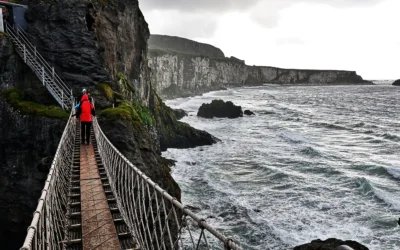
Carrick-a-Rede Rope Bridge
Carrick-a-Rede Rope Bridge | Everything You Need to Know On the northern coast of County Antrim, where the Causeway Coast meets the Atlantic in a series of basalt cliffs and sea stacks, a rope bridge 20 metres long and 30 metres above the ocean connects the mainland...
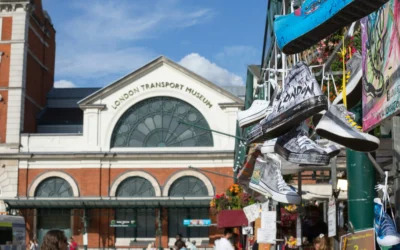
London Transport Museum
London Transport Museum | Everything You Need to Know In a Victorian iron and glass building that was once a flower market, in the heart of Covent Garden, one of the world's great transport collections tells the story of a city. The London Transport Museum covers two...
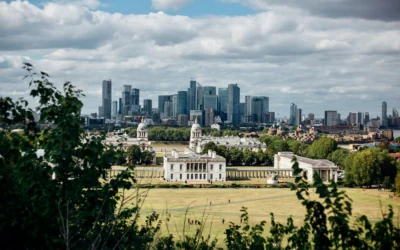
Greenwich Park London
Greenwich Park London | Everything You Need to Know On a hill in southeast London, where the land rises steeply from the Thames, there is a park from which you can see the full spread of the city: Canary Wharf's towers glittering to the west, the Shard rising above...
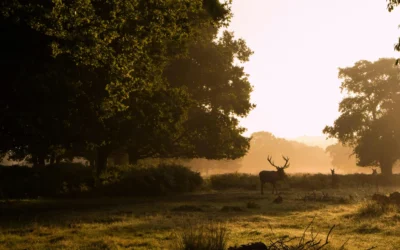
Richmond Park London
Richmond Park London | Everything You Need to Know Eight miles from central London, in the borough of Richmond upon Thames, a 12-foot wall built in 1637 by Charles I encloses 2,500 acres of parkland and has contained within it — largely unaltered since the 17th...
Dartmoor National Park
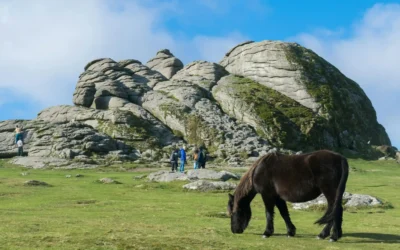
Dartmoor National Park | Everything You Need to Know In the heart of Devon, a landscape rises out of the surrounding farmland that feels genuinely ancient — a high, open plateau of granite moorland crossed by rushing rivers, dotted with strange rock formations and...