
Dartmoor National Park
Dartmoor National Park | Everything You Need to Know
In the heart of Devon, a landscape rises out of the surrounding farmland that feels genuinely ancient — a high, open plateau of granite moorland crossed by rushing rivers, dotted with strange rock formations and covering 368 square miles. Dartmoor is one of only two upland areas in southern England, and one of the most significant Bronze Age landscapes in Western Europe. Its prehistoric stone rows, standing stones, hut circles and burial cairns are extraordinary in their scale and number — including the world’s longest stone row at Stallmoor, stretching for nearly two and a half miles across the open moor.
The granite tors — Haytor, Hound Tor, Great Mis Tor, High Willhays — are the defining images of the park, rising from the moorland and visible for miles. Dartmoor ponies have roamed here for at least 3,500 years. The ancient woodlands, like Wistman’s Wood — a gnarled, mossy temperate rainforest clinging to a boulder field — are unlike anything else in England. On a clear night, the park’s exceptionally dark skies put the Milky Way overhead.
Entry to the park is completely free. This guide covers everything you need to know before you go.
Where Is Dartmoor National Park?
Dartmoor National Park is located in southern Devon, south-west England, covering 368 square miles (954 square kilometres). It stretches from Tavistock in the west to near Exeter in the east. The park is around 30 minutes’ drive from both Exeter and Plymouth.
Key starting points and visitor centres:
- Princetown (central moor) — YHA, visitor centre, café, highest town in England
- Postbridge — famous clapper bridge, good parking, central location
- Haytor — accessible, paved path to the tor, excellent for first visits
- Okehampton — northern gateway, rail-connected
For navigation, any map app works on main roads. For the moor itself, an OS Explorer map (OL28 Dartmoor) is essential — mobile signal is unreliable across much of the park.
Opening Hours
Dartmoor National Park is open 24 hours a day, every day of the year, as a public space with no gates or entry fees. The open moorland can be walked at any time.
Visitor centres at Princetown, Postbridge and Haytor typically operate:
- April to October: 10:00 AM – 5:00 PM daily
- November to March: 10:00 AM – 4:00 PM daily (with possible lunch closures)
Hours can vary for school holidays and seasonal events. Always check the official Dartmoor National Park website before visiting.
How to Get to Dartmoor National Park
By car. The most practical option. Dartmoor is 30 minutes from Exeter (M5, A30) and from Plymouth (A38). Car parks are available at Haytor, Postbridge, Two Bridges and other key points — fees typically run £2–£5 per day. Avoid parking on grass verges or blocking farm tracks.
By train. The Dartmoor Line connects Okehampton to Exeter (around 40 minutes, with regular services). The seasonal Dartmoor Sunday Rover bus service connects Okehampton station to various moor locations — check the Travel Devon website for current schedules.
By bus. National bus services connect nearby towns; the seasonal Haytor Hoppa runs Saturdays (roughly May to September) from Newton Abbot to Haytor and Widecombe. Check Travel Devon for routes.
By bike. Over 350 kilometres of bridleways and cycle routes cross the park, including National Cycle Route 27. Bike racks are at visitor centres.
On foot. Long-distance trails including the Two Moors Way and the Dartmoor Way (approximately 95 miles around the park boundary) provide excellent multi-day walking routes. Many village-to-village day walks are well-signed from key car parks.
Browse Dartmoor Tours & Guided Walks →
The Best Time to Visit
Dartmoor is dramatically beautiful in every season, but each visit is shaped by the weather — which on the high moor can change very quickly.
Autumn (September to November) is particularly fine — the bracken turns russet-gold, the crowds thin significantly and the air is clear. The dark skies become exceptional as autumn nights lengthen. Spring (March to May) brings wildflowers and birdsong, with skylarks overhead on the high moor and early purple orchids on the lower ground. The ponies’ foals arrive in spring. Summer (June to August) is the busiest season: the warmest weather and longest days, but Haytor and Postbridge in particular can be crowded at weekends. Winter (December to February) strips the moor to its essentials — stark, cold and atmospheric. Snow on the high tors is genuinely dramatic.
For quieter visits in any season, come early (arriving at or before 10:00 AM), visit on weekdays, or choose less-visited areas beyond the main car parks.
The park is one of the finest stargazing destinations in England — on clear, moonless nights, the Milky Way is visible overhead. Autumn and winter offer the best conditions.
Tickets and Costs
Entry to Dartmoor National Park is completely free. The open moorland, footpaths, prehistoric sites and tors are all free to access.
| Item | Approximate Cost |
| Park Entry | Free |
| Parking (per day) | £2–£5 |
| Castle Drogo (National Trust) | Adult ~£15, Child ~£7.50 |
| Lydford Gorge (National Trust) | Adult ~£10, Child ~£5 |
| Guided Walks (ranger-led) | £5–£15 |
National Trust members enter NT properties free. As prices vary and are reviewed periodically, always check individual attraction websites for current rates.
What to Expect
Dartmoor is a landscape for slow, attentive exploration. The wildness here is real — the moor can disorient, the weather can arrive quickly, and the distances between facilities are significant. That’s part of what makes it extraordinary.
The tors are the landscape’s defining feature. Haytor, the most visited, has a tarmac path to the summit and rewards even a short visit with sweeping views south towards the coast. Hound Tor offers a more adventurous scramble and is close to the fascinating medieval deserted village at its base. Great Staple Tor, Hound Tor, Yes Tor and High Willhays (at 621 metres, Dartmoor’s highest point) require more effort and appropriate preparation.
Prehistoric sites are scattered across the moor in extraordinary abundance — this is one of the most important Bronze Age landscapes in Europe. The Stallmoor stone row at nearly 2.4 miles is the world’s longest prehistoric stone row. Grimspound is a well-preserved Bronze Age pound with hut circles. Scorhill stone circle is atmospheric and relatively accessible. Merrivale has a complex of stone rows, a stone circle and a standing stone all within a short walk.
Wildlife is rich and specific to the moor. Dartmoor ponies graze freely across the open common — they are working animals, privately owned, and should not be fed or approached closely. Skylarks rise from the grass in spring and summer. The boggy areas support sundews, bog asphodel and rare invertebrates. Wistman’s Wood — an ancient dwarf oak woodland growing from a boulder field on the West Dart valley — is one of the most haunting and botanically remarkable places in England.
Family attractions within or near the park include Pennywell Farm, River Dart Country Park and the Dartmoor Prison Museum in Princetown, which tells the story of the historic prison that has dominated the central moor since 1809.
A short visit to a tor or one prehistoric site takes two to three hours. Multi-day exploration is the way to begin to understand the park’s depth.
Safety and Accessibility
Safety is genuinely important on Dartmoor. The high moor is remote, the weather changes rapidly, and mobile signal is unreliable. Before any walk beyond the immediate car park:
- Check the weather forecast (and the Met Office mountain forecast for the high moor)
- Carry an OS map and compass — do not rely solely on your phone
- Carry food, water, a whistle, a torch and a basic first aid kit
- Tell someone your planned route and return time
- Check military firing times if planning to walk in the Ranges (the firing schedule is published on the Dartmoor National Park website)
Ticks are present in the bracken and long grass. Check yourself and pets after every walk. Follow NHS or Lyme Disease Action guidance for safe removal.
Accessibility. The terrain is largely unsuitable for wheelchairs, but some visitor centres and short paved paths (including at Haytor) provide accessible options. Contact the park at info@dartmoor.gov.uk for specific accessibility information.
Families. Dartmoor is excellent for families with older children who can manage the terrain. The short walk to Haytor, the river at Postbridge and the ponies on the open moor are naturally engaging.
Where to Stay Near Dartmoor National Park
Accommodation within and around Dartmoor ranges from YHA hostels and glamping to country house hotels and Airbnbs in converted farmhouses.
A few good areas to consider:
- Princetown — the highest town on the moor, central and atmospheric. Basic but characterful.
- Chagford — one of the most attractive of the Dartmoor stannary towns, on the north-eastern edge of the park, with excellent independent dining.
- Tavistock — a proper Devon market town on the western edge, well connected and a good base for both Dartmoor and the wider South-West.
- Exeter or Plymouth — city-based options, 30 minutes from the park, with a far broader range of accommodation.
The most popular campsites and characterful accommodation books up fast for summer. Book ahead.
Find Hotels Near Dartmoor National Park →
A Brief History of Dartmoor National Park
Dartmoor’s granite was formed approximately 280 million years ago, when magma forced its way into the overlying rock and slowly cooled. The softer rock above eroded away over millions of years, leaving the harder granite exposed — the tors we see today are the result of further weathering over tens of thousands of years.
Human presence on the moor goes back at least 10,000 years. The Bronze Age, from roughly 2000 to 700 BC, left an extraordinary legacy: thousands of stone rows, standing stones, burial cairns and hut circles remain visible today, more than anywhere else in northern Europe. The Dartmoor ponies have been documented here since the 10th century, though they are believed to have roamed the moor for millennia before that.
In Saxon times, Dartmoor was a royal forest. Since 1337, much of the central moor has been part of the Duchy of Cornwall — belonging to the Prince of Wales. The park was designated a National Park in 1951, one of the first wave of English National Parks established under the National Parks and Access to the Countryside Act 1949.
The literary legacy: Sir Arthur Conan Doyle set The Hound of the Baskervilles on Dartmoor in 1902, drawing on the moor’s fog, bogs and ancient landscape for atmosphere. Grimpen Mire, the treacherous bog at the novel’s heart, was almost certainly inspired by Fox Tor Mires near Princetown. The book has given Dartmoor a worldwide cultural presence that has never faded.
Nearby Attractions
Dartmoor’s Devon location puts it within easy reach of some excellent attractions.
| Attraction | Why Visit | Distance |
| Castle Drogo | The last castle built in England (National Trust) — stunning Lutyens design with moor views | ~20-min drive |
| Lydford Gorge | White Lady Waterfall and dramatic gorge walks (National Trust) | ~20-min drive |
| Buckland Abbey | Former Cistercian abbey, later home of Sir Francis Drake (National Trust) | ~25-min drive |
| Exeter | Historic cathedral city with Roman walls, a magnificent cathedral and excellent museums | ~30-min drive |
| Plymouth | Maritime heritage, the Barbican and National Marine Aquarium | ~30-min drive |
| South Devon Coast | English Riviera beaches, Torquay, Dartmouth | ~40-min drive |
Explore Devon & the South West with a Guided Tour →
Practical Tips for Your Visit
- Wear walking boots with ankle support. The moor is uneven, boggy in wet weather and often slippery. Good boots are not optional.
- Pack a waterproof walking jacket. Dartmoor weather is famously rapid in its changes — sun to heavy rain in fifteen minutes is entirely normal.
- Bring a reusable water bottle. There are no facilities on the high moor. Carry more water than you think you’ll need.
- Bring a headtorch. Essential for stargazing evenings and for any walk that might extend into dusk.
- Download maps offline. OS Maps or AllTrails with the Dartmoor area downloaded — before you leave. Mobile signal cannot be relied upon.
- Do not feed the ponies. They are working animals whose diet must be carefully managed — human food can be harmful.
- Check military firing times before walking in the Ranges. The schedule is published on the Dartmoor National Park website.
- Wild camping is permitted in certain areas with a lightweight tent for one to two nights — follow the Backpack Camping Code published by the park.
Frequently Asked Questions
What are the opening hours of Dartmoor National Park?
The open moorland is accessible 24 hours a day, every day of the year. Visitor centres at Princetown, Postbridge and Haytor are typically open 10:00 AM to 5:00 PM (April to October) and 10:00 AM to 4:00 PM (November to March).
How much does it cost to visit Dartmoor National Park?
Entry to the park and its moorland paths is completely free. Parking at designated car parks costs £2–£5 per day. Individual attractions such as Castle Drogo and Lydford Gorge (both National Trust) charge admission.
Is Dartmoor National Park suitable for children?
Yes — with appropriate preparation. The ponies, tors and prehistoric sites are genuinely exciting for children, and the terrain rewards curiosity. Ensure children have proper footwear and are supervised near bogs and rivers.
Are there any discounts for Dartmoor National Park?
Park entry is free. National Trust members enter NT properties (Castle Drogo, Lydford Gorge, Buckland Abbey) free. Some guided walks and ranger events are low-cost or free.
How long should I spend at Dartmoor National Park?
A single visit to one tor or site takes two to three hours. Exploring the park properly takes at least a full day; multi-day or multi-visit exploration begins to reveal its depth.
Is photography allowed at Dartmoor National Park?
Yes — photography is welcomed throughout. The landscape, wildlife and prehistoric sites are spectacular subjects. Respect private property and don’t disturb the ponies or other wildlife for photographs.
Are there guided tours available at Dartmoor National Park?
Yes — ranger-led walks and themed guided tours are available. Check the Dartmoor National Park events page for current schedules.
What’s the best way to get to Dartmoor National Park from Exeter?
Drive approximately 30 minutes via the A30 or A38, or take the Dartmoor Line train to Okehampton (around 40 minutes) and connect by seasonal bus services.
Is Dartmoor National Park wheelchair accessible?
Most of the open moorland is not accessible for wheelchairs due to uneven, rough terrain. Some visitor centre paths (notably at Haytor) have accessible sections. Contact info@dartmoor.gov.uk for specific accessibility information.
Are there dining options near Dartmoor National Park?
Towns within and near the park — Princetown, Chagford, Tavistock, Widecombe-in-the-Moor — have cafés and restaurants serving local Devon produce. There are no facilities on the open moor.
Carrick-a-Rede Rope Bridge
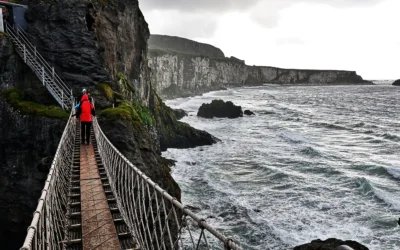
Carrick-a-Rede Rope Bridge | Everything You Need to Know On the northern coast of County Antrim, where the Causeway Coast meets the Atlantic in a series of basalt cliffs and sea stacks, a rope bridge 20 metres long and 30 metres above the ocean connects the mainland...

London Transport Museum
London Transport Museum | Everything You Need to Know In a Victorian iron and glass building that was once a flower market, in the heart of Covent Garden, one of the world's great transport collections tells the story of a city. The London Transport Museum covers two...

London Zoo
London Zoo | Everything You Need to Know In Regent's Park, where the formal gardens give way to the northern edge of the park's green expanse, there is an institution that has been housing and studying animals since 1828. London Zoo is the world's oldest scientific...

Greenwich Park London
Greenwich Park London | Everything You Need to Know On a hill in southeast London, where the land rises steeply from the Thames, there is a park from which you can see the full spread of the city: Canary Wharf's towers glittering to the west, the Shard rising above...
Richmond Park London
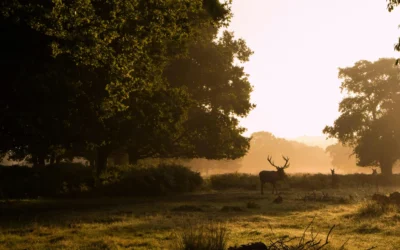
Richmond Park London | Everything You Need to Know Eight miles from central London, in the borough of Richmond upon Thames, a 12-foot wall built in 1637 by Charles I encloses 2,500 acres of parkland and has contained within it — largely unaltered since the 17th...