
Birmingham Back to Backs
Birmingham Back to Backs | Everything You Need to Know
In the middle of Birmingham, a short walk from the Bullring and New Street station, there is a court of eleven small houses built back-to-back — each one sharing a rear wall with its neighbour, facing inward onto a shared yard. These are the last surviving back-to-back houses in Birmingham. Built between 1802 and 1831 to house the expanding workforce of the Industrial Revolution, they were occupied continuously for more than 170 years, by families and individuals whose lives moved from the gas-lit 1840s through the Blitz-era 1930s to a 1970s interior of vinyl floors and colour television.
The Birmingham Back to Backs, managed by the National Trust and open since 2004, are not a museum in the conventional sense — they are a guided experience through four carefully restored interiors, each set in a different decade, each furnished with the objects and details of real lives. The tour lasts 90 minutes, takes a maximum of eight visitors at a time, and is one of the most intimate and genuinely moving heritage experiences in the Midlands. This guide covers everything you need to know before you go.
Where Are the Birmingham Back to Backs?
The Birmingham Back to Backs are located at 50–54 Inge Street and 55–63 Hurst Street, Birmingham B5 4TE, in the heart of the city near the Chinese Quarter. The visitor reception entrance is on Hurst Street.
The site is within easy walking distance of the Bullring, Birmingham New Street station and Birmingham Hippodrome. For navigation, any map app using the postcode B5 4TE will bring you to the right area — look for the visitor reception on Hurst Street.
Opening Hours
The Back to Backs are open for guided tours only — there is no drop-in or self-guided entry. Tours typically run Tuesday to Sunday, with times varying by day:
- Thursday to Sunday: typically 10:00 AM to 3:00 PM
- Tuesday and Wednesday: typically 1:00 PM to 3:00 PM
New tour slots are released each Thursday for the following four weeks. As the schedule can change and tours are strictly limited in size, always check the official National Trust website for current availability before booking.
How to Get to the Birmingham Back to Backs
By train. Birmingham New Street station is around ten minutes’ walk — a short, straightforward route through the city centre.
By bus. Several routes stop nearby: Smallbrook Queensway, Bromsgrove Street and Markets are the closest stops. Check Transport for West Midlands for current routes and times.
By Metro. The West Midlands Metro stops at Corporation Street and Grand Central (by New Street station), both within easy walking distance.
By car. There is no on-site parking. The nearest car park is the Arcadian, five to ten minutes’ walk away. Limited Blue Badge spaces are available on Hurst Street. City centre car parks can be busy on event days — allow extra travel time.
Compare Transfers & Local Transport in Birmingham →
The Best Time to Visit
As an entirely indoor experience, the Back to Backs are a fine choice year-round and particularly good on a wet Birmingham afternoon. Tour slots are limited — a maximum of eight visitors per tour — and weekends fill significantly faster than weekdays. Midweek visits, especially Tuesday and Wednesday afternoon slots, are the quietest.
Book as early as possible: new slots are released each Thursday for the following four weeks, and popular weekend times can sell out within hours of release. The National Trust website is the place to check for current availability and any special tours or events.
Tickets and Costs
All visits must be booked in advance via the National Trust ticketing website or by calling 0344 249 1895. National Trust members enter free but must still book in advance and bring their membership card.
| Ticket Type | Price (with Gift Aid) | Price (without Gift Aid) |
|---|---|---|
| Adult | £8.00 | £7.25 |
| Child | £4.40 | £3.90 |
| Family | £20.00 | — |
| National Trust members | Free | — |
A Neighbourhood Pass may be available for local residents and workers — check the National Trust website for eligibility. Group bookings for eight or more are available by email to the property in advance. As prices and booking policies are reviewed periodically, always check the official website for current rates and availability before booking.
Explore Birmingham Heritage Tours & Experiences →
What to Expect
The guided tour runs for 90 minutes and takes you through a sequence of restored interiors, each set in a different era: the 1840s, the 1870s, the 1930s and the 1970s. With no more than eight visitors per tour, the experience is intimate — closer to being a guest in someone’s home than a visit to a conventional museum.
The interiors are meticulously furnished with period objects, and the guides — who are knowledgeable, engaging and clearly passionate about the site — bring the stories of real former residents to life. Visitors are actively encouraged to handle objects and try things out: the cramped sleeping arrangements, the kitchen equipment, the way domestic life was organised in spaces that today seem almost impossibly small. The contrast between the 1840s ground-floor room and the 1970s upstairs interior — just 130 years apart, and yet two entirely different worlds — is quietly striking.
The site also includes a second-hand bookshop and a small exhibition space hosting changing displays of photography and social history. There is no on-site café, but the Chinese Quarter and city centre offer excellent options a short walk away.
A full visit, including browsing the bookshop and any exhibition, typically takes one and a half to two hours.
Safety and Accessibility
Safety. Staff and guides are present throughout. Follow the guide’s instructions, particularly on the upper floors, which have steep, narrow stairs typical of the period.
Accessibility. The ground floor is accessible via a level entrance on Inge Street, with a wheelchair available. A shorter ground floor-only tour (around 60 minutes) is available for visitors who cannot manage the stairs. Written guides, sensory bags and an induction loop are provided. British Sign Language tours can be arranged with four weeks’ notice by contacting the property directly.
Families. The hands-on, interactive nature of the tour — touching objects, trying period activities, hearing real family stories — makes it particularly engaging for children. Strollers can access the ground floor, but the upper areas are not accessible for pushchairs.
Where to Stay Near Birmingham Back to Backs
Staying in Birmingham city centre places you within walking distance of the Back to Backs, the Bullring, Birmingham Museum and Art Gallery and the full range of the city’s attractions — a compact, easily navigated centre with good transport links.
A few areas worth considering:
- City Centre & around New Street — the most convenient base, with the Back to Backs, the Bullring and the Museum all within walking distance. Wide range of accommodation at various price points.
- Digbeth & Southside — just south of the city centre, characterful and creative, with independent cafés and the Back to Backs on the doorstep.
- Brindleyplace & the Canal Quarter — just west of the centre, a pleasant waterside area with restaurants and a relaxed atmosphere.
Birmingham is a busy events city — booking accommodation ahead is advisable, especially for weekend stays.
Find Hotels Near Birmingham City Centre →
A Brief History of Birmingham Back to Backs
Back-to-back houses were built across Britain’s industrial cities from the late 18th century, constructed literally back-to-back with shared rear walls and no through-ventilation, designed to pack the maximum number of dwellings into the minimum available land. In Birmingham, at the height of the Industrial Revolution, tens of thousands of people lived in them. Court 15 — the official name for the Inge Street and Hurst Street court — was built between 1802 and 1831.
The houses in Court 15 were occupied continuously until the 1970s, by successive generations of working people: craftsmen, traders, factory workers, immigrant families who made Birmingham their home. By the time the last residents left, the rest of Birmingham’s back-to-back courts had been demolished — this one was scheduled for the same fate. A campaign saved it, and the National Trust undertook five years of careful restoration, opening the site as a historic house museum in 2004.
A detail that captures the intimacy of the site: the tour visits the home of a Jewish confectioner from the 1870s, a Brummie family from the Blitz era and a West Indian couple who made one of the 1970s rooms their home. These are not fictional archetypes but characters drawn from historical research and, in the case of the later residents, living memory. People who once lived in these rooms have returned to see how they are portrayed.
Nearby Attractions
The Back to Backs are centrally located for Birmingham’s main attractions.
| Attraction | Why Visit | Distance |
|---|---|---|
| Birmingham Museum & Art Gallery | One of the UK’s great civic museums — Pre-Raphaelite paintings, decorative arts, Birmingham history | ~15-min walk |
| Birmingham Hippodrome | One of the UK’s leading theatres — ballet, opera, musicals and more | ~2-min walk |
| Bullring & Grand Central | Birmingham’s main shopping destination, including the landmark Selfridges building | ~5-min walk |
| Electric Cinema | The UK’s oldest working cinema, with a wonderfully distinctive interior | ~10-min walk |
| Digbeth & Custard Factory | Birmingham’s creative quarter — independent shops, galleries and street food | ~15-min walk |
A natural day out: the Birmingham Museum and Art Gallery in the morning, the Back to Backs in the afternoon (book ahead!), and the area around Digbeth or Brindleyplace for the evening.
Discover Birmingham with a City Sightseeing Tour →
Practical Tips for Your Visit
- Book in advance. All visits are by guided tour only, limited to eight people per slot. Popular times sell out quickly.
- Arrive ten minutes early. Check in at the visitor reception on Hurst Street before your tour starts.
- Wear comfortable walking shoes. The tour involves standing and moving through multiple rooms, including steep stairs.
- Overseas visitor? The UK uses Type G plugs — a UK travel adapter is essential for charging your devices.
- Leave large bags at reception. The houses are small and bags are not practical in the tour spaces.
- National Trust members — entry is free but you still need to book in advance and bring your card.
- Photography is generally permitted for personal use — confirm with your guide on the day.
Frequently Asked Questions
What are the opening hours of Birmingham Back to Backs?
Tours run Tuesday to Sunday. Thursday to Sunday: typically 10:00 AM to 3:00 PM. Tuesday and Wednesday: typically 1:00 PM to 3:00 PM. New slots are released each Thursday for the following four weeks. Check the National Trust website for current availability.
How much does it cost to visit Birmingham Back to Backs?
Adult tickets are £8.00 with Gift Aid (£7.25 without). Children are £4.40 (£3.90 without). Family tickets cost £20.00. National Trust members enter free with advance booking. Check the National Trust website for current rates.
Is Birmingham Back to Backs suitable for children?
Yes — the hands-on, interactive nature of the tour makes it genuinely engaging for children. Strollers can access the ground floor; the upper floors have steep stairs. There is a lower age limit; check with the National Trust when booking.
Are there any discounts available for Birmingham Back to Backs?
National Trust members enter free. A Neighbourhood Pass may be available for local residents and workers. Group rates apply for bookings of eight or more.
How long does a visit to Birmingham Back to Backs take?
The standard tour lasts 90 minutes. A ground floor-only tour takes around 60 minutes. Allow extra time for the bookshop and any exhibition. Total visit time is typically one and a half to two hours.
Is photography allowed at Birmingham Back to Backs?
Photography for personal use is generally allowed. Confirm with your guide on the day, as specific rooms may have restrictions.
Are there guided tours available at Birmingham Back to Backs?
All visits are by guided tour only — there is no self-guided option. Every tour is led by a National Trust guide.
What’s the best way to get to Birmingham Back to Backs from the city centre?
Walk ten minutes from Birmingham New Street station, or take a bus to Smallbrook Queensway or Bromsgrove Street.
Is Birmingham Back to Backs wheelchair accessible?
The ground floor is accessible via a level entrance on Inge Street, with a wheelchair available. A ground floor-only tour is offered. The upper floors have steep stairs. Contact the property in advance for specific arrangements.
Are there dining options near Birmingham Back to Backs?
There is no on-site café. The Chinese Quarter and Birmingham city centre — both within a short walk — offer a wide range of cafés and restaurants.
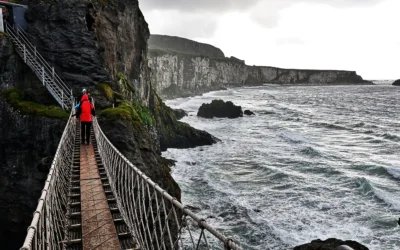
Carrick-a-Rede Rope Bridge
Carrick-a-Rede Rope Bridge | Everything You Need to Know On the northern coast of County Antrim, where the Causeway Coast meets the Atlantic in a series of basalt cliffs and sea stacks, a rope bridge 20 metres long and 30 metres above the ocean connects the mainland...
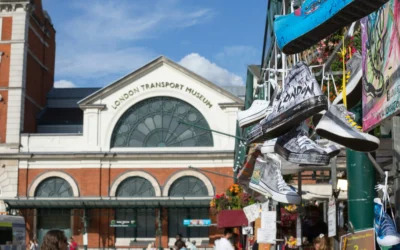
London Transport Museum
London Transport Museum | Everything You Need to Know In a Victorian iron and glass building that was once a flower market, in the heart of Covent Garden, one of the world's great transport collections tells the story of a city. The London Transport Museum covers two...

London Zoo
London Zoo | Everything You Need to Know In Regent's Park, where the formal gardens give way to the northern edge of the park's green expanse, there is an institution that has been housing and studying animals since 1828. London Zoo is the world's oldest scientific...
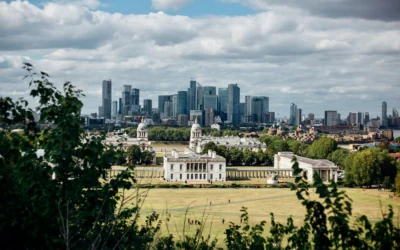
Greenwich Park London
Greenwich Park London | Everything You Need to Know On a hill in southeast London, where the land rises steeply from the Thames, there is a park from which you can see the full spread of the city: Canary Wharf's towers glittering to the west, the Shard rising above...
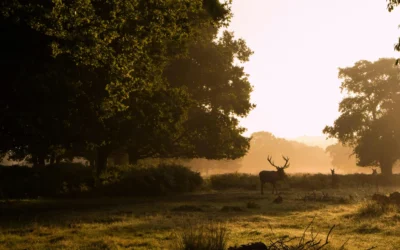
Richmond Park London
Richmond Park London | Everything You Need to Know Eight miles from central London, in the borough of Richmond upon Thames, a 12-foot wall built in 1637 by Charles I encloses 2,500 acres of parkland and has contained within it — largely unaltered since the 17th...