
St Pauls Cathedral
St Pauls Cathedral London | Everything You Need to Know
Rising over the City of London from the summit of Ludgate Hill, St Paul’s Cathedral is one of the most breathtaking buildings in Britain. Sir Christopher Wren’s masterpiece has crowned the skyline for over 300 years, its vast dome — one of the largest in the world — surviving the Blitz to become an enduring symbol of London’s resilience. Step inside and the scale takes your breath away: soaring arches, glittering mosaics, and a hush that has held through coronations, state funerals and royal weddings alike.
But St Paul’s rewards those who climb. Ascend the 528 steps to the Golden Gallery and the whole of London unfurls beneath you; pause at the Whispering Gallery, where a murmur against the wall carries clear across the dome; descend to the crypt to stand among the tombs of Nelson, Wellington and Wren himself. Part working church, part architectural wonder, part window into British history, it’s an unforgettable visit. This guide covers everything you need to know before you go.
Where Is St Paul’s Cathedral?
St Paul’s Cathedral is located at St Paul’s Churchyard, London EC4M 8AD, in the City of London, standing atop Ludgate Hill — the highest point in the area. Its commanding central position, near the Millennium Bridge and Tate Modern, makes it a natural focal point for exploring London’s historic heart. For navigation, Google Maps or Citymapper will bring you straight there.
Opening Hours
St Paul’s is open for sightseeing Monday to Saturday, with a later start midweek:
- Monday, Tuesday, Thursday, Friday, Saturday: from 8:30 AM
- Wednesday: from 10:00 AM
- Last entry: 4:00 PM (cathedral closes 4:30 PM)
- Sunday: open for worship only — sightseeing is not available
As a working cathedral, opening times can change for special services and events, so it’s always worth checking the official calendar before you visit. Attending a service or coming for private prayer is free at any time.
How to Get to St Paul’s Cathedral
St Paul’s sits right in the heart of the City and is very easy to reach.
By Underground. St Paul’s station (Central line) is just a two-minute walk from the cathedral — the simplest option. City Thameslink (five minutes) and Blackfriars (seven minutes) are also nearby.
By rail. City Thameslink and Blackfriars stations are both within a five-to-seven-minute walk, with connections from across London and beyond.
By bus. Routes 4, 11, 15, 23, 25, 26, 100 and 242 all stop near the cathedral. The TfL journey planner will find the best option from your starting point.
By bike. Santander Cycles docking stations are within a three-minute walk, including on Paternoster Square.
By car. On-street parking is limited; the nearest public car park is Baynard House on Queen Victoria Street, around a six-minute walk. Blue Badge holders can find designated bays via the City of London’s interactive map. Public transport is the easier choice.
On foot. One of the finest approaches is across the Millennium Bridge from the South Bank — a picturesque fifteen-to-twenty-minute walk with the dome growing ahead of you the whole way.
Compare Transfers & Local Transport in London →
The Best Time to Visit
A little planning makes for a calmer, more rewarding visit. Weekday mornings — particularly Monday, Tuesday and Thursday, right from the 8:30 AM opening — are the quietest. Wednesdays open later, at 10:00 AM, while Fridays and Saturdays tend to be the busiest with higher tourist numbers.
Spring (March to May) and autumn (September to November) bring mild weather and thinner crowds than the peak summer season. Winter can be quieter still, though it’s worth checking for festive services that may affect sightseeing hours. The cathedral also hosts special exhibitions and events throughout the year, so a glance at the official website before you go is always worthwhile.
Tickets and Costs
Sightseeing at St Paul’s requires a ticket, while attending a service or coming for private prayer is always free. A ticket includes access to the cathedral floor, the crypt, and the dome galleries, plus a multimedia guide available in nine languages.
| Ticket Type | Price |
|---|---|
| Adult (18–64) | £26.00 |
| Child (6–17) | £10.00 |
| Child (under 6) | Free |
| Student (with valid ID) | £23.00 |
| Senior (65+) | £23.00 |
| Family (2 adults + 2 children) | £62.00 |
| Disabled Visitor | £23.00 |
| Disabled Carer / Companion | Free |
| £1 Tickets (eligible benefits) | £1.00 |
There are some excellent ways to save. Concessions are available for students, seniors and families, and — remarkably — UK visitors receiving Universal Credit, Pension Credit or Employment Support Allowance can access £1 tickets for one adult and up to four children. Free entry is offered for group leaders (15+ visitors) and former St Paul’s choristers. Holders of the London Pass or Go City Explorer Pass gain entry without pre-booking. As prices are reviewed periodically, it’s worth checking the official website for current rates before booking.
Check Tickets & Skip-the-Line Options →
What to Expect
A visit to St Paul’s unfolds across five remarkable levels, each with its own atmosphere and treasures.
The Cathedral Floor is where you first grasp the sheer scale — the grand nave, the vaulted ceiling, the glittering Victorian mosaics, and monuments including Wellington’s Monument and the marble effigy of the poet John Donne, which still bears scorch marks from the Great Fire of 1666.
The Dome is the centrepiece of any visit. Climb 257 steps to the famous Whispering Gallery, where the acoustics carry a whisper clear across the dome; press on 376 steps to the Stone Gallery, and 528 steps in total to the Golden Gallery, for some of the finest panoramic views in all of London.
The Crypt is the resting place of national heroes — Admiral Lord Nelson, the Duke of Wellington and Sir Christopher Wren himself among them — alongside the OBE Chapel and a wealth of memorials.
Browse Guided Tours & Experiences →
Throughout, you’ll find remarkable artworks, including William Holman Hunt’s The Light of the World and Henry Moore’s Mother and Child, alongside Victorian mosaics and modern installations. A typical visit lasts two to three hours, with guided tours and the multimedia guide both included in admission. Facilities include the Crypt Café for light meals, accessible toilets and a gift shop. The cathedral also holds daily services, including the beautiful Choral Evensong, which are free to attend and feature the renowned cathedral choir — a genuinely moving experience.
Safety and Accessibility
Security. The cathedral has 24/7 security camera coverage, regular patrols, trained security staff and thorough entry checks. As with any busy attraction, keep an eye on belongings in crowded areas. Note that there’s no cloakroom, and bags larger than 45cm x 30cm x 25cm aren’t permitted.
Accessibility. The cathedral floor and crypt are accessible via ramps and lifts, with free wheelchair hire available on a first-come, first-served basis. The dome galleries, however, are reached only by stairs (257, 376 and 528 steps respectively) and aren’t suitable for those with mobility difficulties. Other features include:
- British Sign Language guides — free digital guides for deaf and hard-of-hearing visitors.
- Audio-described tours for blind and partially sighted visitors.
- Sensory support — quiet spaces and sensory maps for neurodiverse visitors.
- Assistance dogs are welcome throughout.
- Accessible toilets are located in the crypt and near the main entrance.
Full accessibility details are available on the cathedral’s website.
Where to Stay Near St Paul’s Cathedral
Staying near St Paul’s places you in the historic City of London, within walking distance of the cathedral, the Millennium Bridge, the South Bank and a wealth of landmarks — and well connected to the rest of the city. The City is quieter in the evenings once the working day ends, which can make for a peaceful base.
A few areas worth considering:
- The City & St Paul’s — the most immediate option, with the cathedral on your doorstep and excellent transport links in every direction.
- Southbank & Bankside — just across the Millennium Bridge, home to Tate Modern and Shakespeare’s Globe, with lovely riverside walks and views back to the dome.
- Farringdon & Clerkenwell — a short walk north, combining great connections with one of London’s most characterful neighbourhoods for dining.
City hotels are busiest on weekdays (driven by business travel) and often offer better value at weekends — handy to know. Booking ahead is always sensible, especially in summer.
Find Hotels Near St Paul’s Cathedral →
A Brief History of St Paul’s Cathedral
The story of St Paul’s stretches back over 1,400 years. The first church dedicated to St Paul was founded on Ludgate Hill in AD 604. The cathedral that stands today — Wren’s English Baroque masterpiece — rose from the ashes of the Great Fire of London, which destroyed the medieval Old St Paul’s in 1666. Completed in 1710, it became, and remains, the seat of the Bishop of London and the mother church of the Diocese of London.
In the centuries since, St Paul’s has been the stage for many of the defining moments in British national life — the funerals of Winston Churchill and Margaret Thatcher, the wedding of Charles and Diana, and Jubilee celebrations for Queen Elizabeth II. Its great dome, standing 111 metres tall, famously survived the bombing of the Blitz, an image that became a symbol of the nation’s defiance and endurance.
A detail that delights every visitor: the Whispering Gallery earns its name from a quirk of its construction — a whisper spoken against the wall on one side can be heard with startling clarity on the opposite side, some 112 feet away.
Nearby Attractions
St Paul’s central position in the City makes it ideal for exploring nearby landmarks, with several within a short walk.
| Attraction | Why Visit | Distance |
|---|---|---|
| Tate Modern | World-class modern art in a former power station, across the Millennium Bridge | ~10-min walk |
| The Monument | Wren’s 202-foot column commemorating the Great Fire, with views from the top | ~10-min walk |
| St Dunstan in the East | A tranquil ruined church transformed into a beautiful public garden | ~10-min walk |
| Leadenhall Market | A stunning Victorian covered market, and a Harry Potter filming location | ~12-min walk |
| Shakespeare’s Globe | A faithful reconstruction of the Elizabethan theatre, with tours and performances | ~12-min walk |
A natural day out: tour the cathedral in the morning, then walk across the Millennium Bridge to Tate Modern, stopping at the peaceful garden of St Dunstan in the East along the way.
See Multiple Attractions for Less with a London Pass →
Practical Tips for Your Visit
- Book tickets online. Reserve ahead to avoid queues, especially in peak season — and check the website for any service-related closures.
- Wear comfortable walking shoes. The dome climb is up to 528 steps, so sturdy footwear is essential.
- Overseas visitor? The UK uses Type G plugs — a UK travel adapter is essential for charging your devices.
- Travel light. Bags larger than 45cm x 30cm x 25cm aren’t permitted, and there’s no cloakroom.
- Bring a compact travel umbrella. London weather is unpredictable, especially for the open-air Stone and Golden Galleries.
- Dress modestly. As a place of worship, modest attire is appreciated, and hats should be removed inside.
- Photography is allowed for personal use, but flash, tripods and commercial photography require permission.
- Experience a service. Free services such as Choral Evensong are a wonderful way to hear the cathedral choir — check the worship schedule.
Frequently Asked Questions
What are the opening hours of St Paul’s Cathedral London?
The cathedral is open for sightseeing Monday to Saturday, from 8:30 AM (10:00 AM on Wednesdays), with last entry at 4:00 PM and closing at 4:30 PM. Sundays are for worship only. As times can change for services and events, check the official calendar before visiting.
How much does it cost to visit St Paul’s Cathedral London?
Sightseeing tickets are around £26 for adults and £10 for children aged 6–17. Family tickets (£62 for 2 adults + 2 children), student and senior concessions (£23), and £1 tickets for eligible UK benefits recipients are also available. Worship and private prayer are free. As prices can change, check the official website for current rates.
Is St Paul’s Cathedral suitable for children?
Yes — it’s family-friendly, with multimedia guides and tours suitable for children. The dome climb involves many stairs, so younger children will need adult supervision.
Are there any discounts available for St Paul’s Cathedral London?
Discounts include family tickets, student and senior concessions, and £1 tickets for UK visitors receiving benefits such as Universal Credit. London Pass and Go City pass holders enter free, and group leaders for parties of 15+ also enter free.
How long does a visit to St Paul’s Cathedral take?
A typical visit lasts two to three hours, covering the cathedral floor, the crypt, the dome galleries and the included guided tour.
Is photography allowed at St Paul’s Cathedral London?
Personal photography is permitted. Flash, tripods and commercial photography are not allowed without prior permission.
Are there guided tours available at St Paul’s Cathedral?
Yes — guided tours and a multimedia guide in nine languages are both included with admission. Check the official website for current tour schedules.
What’s the best way to get to St Paul’s Cathedral from the city centre?
Take the Central line to St Paul’s station — it’s a two-minute walk from the cathedral. Several buses also stop nearby, and it’s a scenic walk across the Millennium Bridge from the South Bank.
Is St Paul’s Cathedral wheelchair accessible?
The cathedral floor and crypt are accessible via ramps and lifts, with free wheelchair hire available. The dome galleries are reached only by stairs and aren’t wheelchair accessible. Accessible toilets and other facilities are provided.
Are there dining options near St Paul’s Cathedral London?
The Crypt Café within the cathedral offers light meals and refreshments. Nearby, Paternoster Square and the streets along the Thames offer a wide range of additional cafés and restaurants.
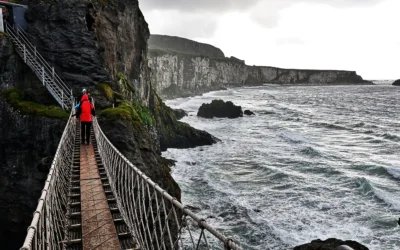
Carrick-a-Rede Rope Bridge
Carrick-a-Rede Rope Bridge | Everything You Need to Know On the northern coast of County Antrim, where the Causeway Coast meets the Atlantic in a series of basalt cliffs and sea stacks, a rope bridge 20 metres long and 30 metres above the ocean connects the mainland...
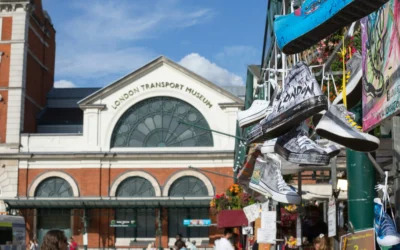
London Transport Museum
London Transport Museum | Everything You Need to Know In a Victorian iron and glass building that was once a flower market, in the heart of Covent Garden, one of the world's great transport collections tells the story of a city. The London Transport Museum covers two...

London Zoo
London Zoo | Everything You Need to Know In Regent's Park, where the formal gardens give way to the northern edge of the park's green expanse, there is an institution that has been housing and studying animals since 1828. London Zoo is the world's oldest scientific...
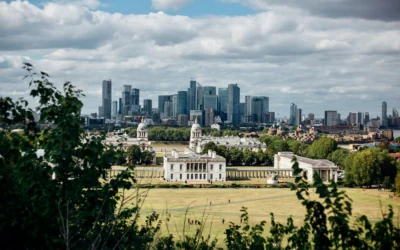
Greenwich Park London
Greenwich Park London | Everything You Need to Know On a hill in southeast London, where the land rises steeply from the Thames, there is a park from which you can see the full spread of the city: Canary Wharf's towers glittering to the west, the Shard rising above...

Richmond Park London
Richmond Park London | Everything You Need to Know Eight miles from central London, in the borough of Richmond upon Thames, a 12-foot wall built in 1637 by Charles I encloses 2,500 acres of parkland and has contained within it — largely unaltered since the 17th...