
Victoria and Albert Museum
Victoria and Albert Museum London | Everything You Need to Know
Step inside the Victoria and Albert Museum and you enter the world’s greatest treasury of art, design and human creativity. Across 145 galleries lie over 2.8 million objects spanning 5,000 years — Elizabethan gowns hanging near Alexander McQueen gowns, Michelangelo’s David recreated full-size in plaster, intricate Islamic tiles glowing beside Renaissance masterpieces by Raphael. It is vast, dazzling, and gloriously eclectic, the kind of place where one wrong turn leads to a wonder you never expected to find.
Named after Queen Victoria and Prince Albert and set in the grand surrounds of South Kensington, the V&A is a feast for anyone who loves beauty in any form — fashion, jewellery, ceramics, photography, sculpture, architecture. And the very best part: entry to the permanent collection is completely free. Whether you have an hour or a whole day, it’s one of the most rewarding cultural experiences in London. This guide covers everything you need to know before you go.
Where Is the Victoria and Albert Museum?
The V&A is located on Cromwell Road, South Kensington, London SW7 2RL, at the heart of London’s “Museum Quarter.” It stands alongside the Natural History Museum and the Science Museum in the cultural enclave known as “Albertopolis” — named for Prince Albert’s vision of a centre dedicated to the arts and sciences.
Its location makes it wonderfully easy to combine with its world-class neighbours in a single visit. For navigation, Google Maps or Citymapper will bring you straight to the entrance.
Opening Hours
The V&A keeps consistent hours throughout the year, with a late opening one evening a week:
- Daily: 10:00 AM – 5:45 PM (last entry 5:30 PM)
- Fridays: Extended opening until 10:00 PM for select galleries and exhibitions
- Closed: 24–26 December
The Friday late opening is a real treat — a calmer, more atmospheric way to experience the galleries, often with talks and performances on. As hours can change for special events or temporary closures, it’s worth checking the official website before you visit.
How to Get to the Victoria and Albert Museum
The V&A is very easy to reach by public transport.
By Underground. South Kensington station (Piccadilly, District and Circle lines) is a five-minute walk away, connected by a pedestrian subway tunnel. Gloucester Road station is an alternative, around ten minutes on foot.
By bus. Routes 14, 74, 414 and C1 all stop near the museum. The TfL journey planner will find the best option from your starting point.
By bike. Cycle racks are available on Cromwell Road and Exhibition Road, with Santander Cycles docking stations nearby on Thurloe Place.
By car. There’s no on-site parking and street parking is very limited, so public transport is strongly recommended. Limited Blue Badge spaces can be pre-booked by contacting the museum in advance.
Compare Transfers & Local Transport in London →
The Best Time to Visit
A little planning makes all the difference at a museum this popular. Weekday mornings, right when the doors open at 10:00 AM, are the quietest — perfect for the most popular galleries like Fashion and Jewellery before the crowds arrive.
Weekends and school holidays, especially the summer months (June to August), are the busiest periods. Friday evenings, with extended opening until 10:00 PM, offer a wonderfully relaxed atmosphere with fewer visitors and a programme of talks, performances and events. It’s worth checking the official website for current exhibitions and events before you go — there’s almost always something special on.
Tickets and Costs
Entry to the V&A’s permanent collection is free. Special exhibitions, however, usually require a separate paid ticket, with prices varying by event (typically in the region of £12–£20). Booking online for these popular exhibitions is recommended to secure your place and avoid queues. Membership is also available, offering priority access and discounts on exhibitions.
| Ticket Type | Price |
|---|---|
| Permanent Collection | Free |
| Special Exhibitions | Varies (typically £12–£20) |
| Membership | Check official site for current rates |
Donations are warmly welcomed and help keep the permanent collection free and open to all.
What to Expect
The V&A spans 145 galleries across four floors, showcasing an extraordinary collection of art, design and performance from Europe, Asia, North America and North Africa. If you only have time for the highlights, these are unmissable:
Fashion, Jewellery and Textiles trace centuries of style, from Elizabethan gowns to Alexander McQueen. The Raphael Cartoons — seven monumental Renaissance preparatory drawings for tapestries — are a genuine once-in-a-lifetime sight. The Cast Courts house life-sized replicas of masterpieces including Michelangelo’s David and a full-scale cast of Trajan’s Column. The British Galleries journey through 400 years of British design, while the Middle Eastern tiles and ceramics from the Islamic world are a quiet visual triumph.
Browse Guided Tours & Experiences →
Beyond these, you’ll find vast Photography and Architecture collections (the latter featuring works by Zaha Hadid), interactive displays, multilingual audio guides and family-friendly art workshops during school holidays. Allow two to three hours for a standard visit, though art lovers could happily spend a full day. Facilities include accessible toilets, a restaurant, design-inspired shops, and cafés — including the spectacular Morris, Gamble and Poynter Rooms, the original Victorian refreshment rooms and the first of their kind in any museum in the world.
Safety and Accessibility
Security. Staff are present throughout the galleries, with security checks in place to ensure a safe visit. As with any busy attraction, it’s sensible to keep an eye on your belongings in crowded galleries.
Accessibility. The V&A is well equipped for visitors with access needs:
- Wheelchair access — lifts and ramps provide access to most areas, though some historic sections have steps.
- Wheelchair hire — free, available at the Grand Entrance on a first-come, first-served basis.
- Assistance dogs are welcome throughout.
- Accessible toilets are located across the museum, with a Changing Places facility in the Exhibition Road Courtyard.
- Sensory support — quiet spaces and sensory maps are available for neurodiverse visitors.
- Audio guides include descriptive options for blind and partially sighted visitors.
Full accessibility details are available on the museum’s access page.
Where to Stay Near the Victoria and Albert Museum
Staying in South Kensington places you in one of London’s most elegant and convenient areas — within walking distance of three world-class museums, Hyde Park and the Royal Albert Hall, and well connected to the rest of the city. It’s a refined, peaceful base, ideal for culture lovers and families alike.
A few neighbourhoods worth considering:
- South Kensington — the most convenient option, with the V&A and its neighbours (the Natural History Museum and Science Museum) all on your doorstep, plus excellent dining and transport links.
- Knightsbridge & Hyde Park — graceful and upmarket, within easy reach of the museum and bordering one of London’s great royal parks, with the area’s famous shopping nearby.
- Kensington & Earl’s Court — a short walk or one stop away, offering a good range of hotels at varying price points and a quieter, residential feel.
South Kensington is popular year-round, so booking ahead — especially for weekends and school holidays — is strongly recommended.
Find Hotels Near the V&A Museum →
A Brief History of the Victoria and Albert Museum
The V&A was born from the triumph of the Great Exhibition of 1851. Founded the following year, in 1852, it was established with a bold mission: to make art and design accessible to everyone, and to inspire and improve British manufacturing. Named in honour of Queen Victoria and Prince Albert, it moved to its current South Kensington home in 1857.
The grand building took shape over decades, designed by architects including Captain Francis Fowke and, later, Sir Aston Webb, whose ornate façade fronts Cromwell Road today. The collection grew to span 5,000 years of human creativity, gathering treasures such as the magnificent Ardabil Carpet, original Beatrix Potter manuscripts, and a wealth of work by the designer William Morris.
A detail that captures the museum’s founding spirit: the Cast Courts, opened in 1873, were created so that ordinary people could see full-scale replicas of the world’s monumental sculptures without ever needing to travel abroad — including that towering cast of Trajan’s Column, split into two halves to fit beneath the ceiling.
Nearby Attractions
The V&A’s South Kensington location makes it perfect for a full cultural day out, with several major attractions within a short walk.
| Attraction | Why Visit | Distance |
|---|---|---|
| Natural History Museum | Dinosaur skeletons and the famous blue whale, Hope — and free entry too | ~5-min walk |
| Science Museum | Hands-on, interactive exhibits on science and technology, also free | ~4-min walk |
| Royal Albert Hall | A historic venue for concerts and events | ~7-min walk |
| Hyde Park | One of London’s great royal parks, ideal for a walk or picnic | ~10-min walk |
A natural day out: start at the V&A, walk to the Natural History Museum or the Science Museum next door, then unwind with a stroll through Hyde Park — three of the world’s best museums and a royal park, all within a few minutes of each other.
See Multiple Attractions for Less with a London Pass →
Practical Tips for Your Visit
- Book exhibition tickets ahead. Reserve online for special exhibitions to skip the queues, especially for popular shows.
- Overseas visitor? The UK uses Type G plugs — a UK travel adapter is essential for charging your devices.
- Wear comfortable walking shoes. With 145 galleries across four floors, you’ll cover plenty of ground.
- Use a map. Pick up a free map at the entrance or download the V&A app to navigate the galleries efficiently.
- Travel light. Large bags may need to be checked at the cloakroom.
- Photography is allowed in most areas, though some special exhibitions have restrictions.
- Visit the Victorian café rooms. The Morris, Gamble and Poynter Rooms are a sight in themselves — well worth a coffee stop.
- Arrive at 10:00 AM. Opening time means quieter galleries and shorter lines.
Frequently Asked Questions
What are the opening hours of the Victoria and Albert Museum London?
The museum is open daily from 10:00 AM to 5:45 PM (last entry 5:30 PM), with extended hours until 10:00 PM on Fridays for select galleries. It is closed from 24–26 December. Check the official website for the latest schedule.
How much does it cost to visit the Victoria and Albert Museum London?
Entry to the permanent collection is completely free. Special exhibitions usually require a paid ticket, typically in the region of £12–£20 depending on the event. Donations are welcomed.
Is the Victoria and Albert Museum suitable for children?
Yes — the museum offers family-friendly trails, art workshops during school holidays, and interactive exhibits suitable for children of all ages.
Are there any discounts available for the Victoria and Albert Museum London?
Since the permanent collection is already free, no admission discounts apply. Special exhibitions may offer concessions for students and seniors, and membership offers added perks such as free exhibition entry.
How long does a visit to the Victoria and Albert Museum take?
A typical visit takes two to three hours, though art enthusiasts could easily spend a full day exploring all 145 galleries and any special exhibitions.
Is photography allowed at the Victoria and Albert Museum London?
Yes — photography is permitted in most areas. Some special exhibitions may have restrictions, so look out for signage or ask staff.
Are there guided tours available at the Victoria and Albert Museum?
Yes — free introductory tours and paid themed tours are available. Check the official website for current schedules and booking.
What’s the best way to get to the Victoria and Albert Museum from the city centre?
Take the Underground to South Kensington station (Piccadilly, District or Circle lines), a five-minute walk away. Several buses also stop nearby.
Is the Victoria and Albert Museum wheelchair accessible?
Yes — the museum offers wheelchair access, lifts, accessible toilets, a Changing Places facility and free wheelchair hire. Some historic areas have steps, but staff are on hand to help.
Are there dining options near the Victoria and Albert Museum London?
The museum has its own cafés and a restaurant, including the historic Morris, Gamble and Poynter Rooms. The surrounding South Kensington area also offers a wide range of cafés and restaurants nearby.
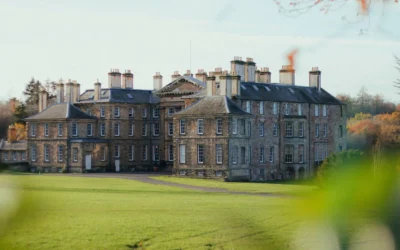
Palace of Holyroodhouse
Palace of Holyroodhouse Edinburgh | Everything You Need to Know At the foot of the Royal Mile, where the cobblestones end and the great volcanic bulk of Arthur's Seat begins, stands Edinburgh's most dramatic royal landmark. The Palace of Holyroodhouse is the official...
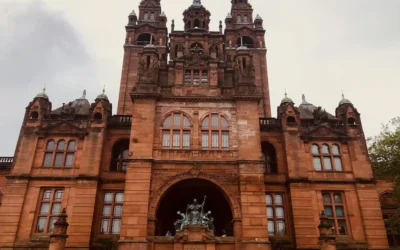
Kelvingrove Art Gallery and Museum Glasgow
Kelvingrove Art Gallery and Museum Glasgow | Everything You Need to Know In the heart of Glasgow's handsome West End, beside the River Kelvin and at the edge of its own park, a vast Spanish Baroque palace of terracotta and sandstone rises above the trees. Kelvingrove...
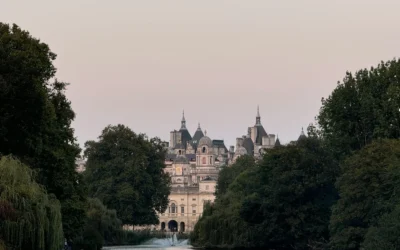
St James’s Park London
St James's Park London | Everything You Need to Know Turn a corner off Whitehall or The Mall and the noise of central London falls away. St James's Park is 57 acres of water, wildfowl and green calm at the absolute heart of the capital — the oldest of London's eight...

Chester Zoo
Chester Zoo | Everything You Need to Know In the rolling Cheshire countryside, not far from the ancient city of Chester, stands one of the most extraordinary wildlife destinations in the world. Chester Zoo is the UK's most visited zoo — 128 acres of immersive,...
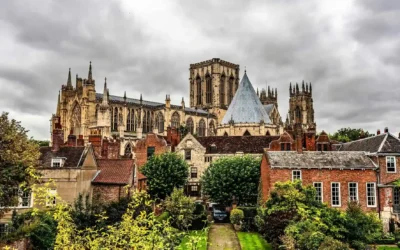
York Minster
York Minster | Everything You Need to Know Rise above the rooftops of York and the great towers of the Minster dominate the skyline — a landmark so vast and so beautiful that it feels less like a building and more like a statement. York Minster is the largest Gothic...