
Urquhart Castle
Urquhart Castle: Loch Ness's Greatest Ruin, Guarding the Waters Since the 5th Century
From the top of the Grant Tower, the view is extraordinary: Loch Ness stretches away to the south-west, its dark water running for 23 miles through the Great Glen, the flanking hills rising steeply on both sides. This is the same view that the Lords of the Isles would have had when they looked out from the tower after raiding it in 1545, and the same view that government troops would have had in 1692 before they blew up the gatehouse to stop the Jacobites using it.
The castle they left behind is a ruin now, one of the largest castle ruins in Scotland, and the view from the Grant Tower is as fine as any from any castle on Loch Ness — which is to say it is one of the finest views in the Scottish Highlands.
Urquhart Castle stands on Strone Point, a rocky promontory on the western shore of Loch Ness, 21 kilometres south-west of Inverness. The site has been occupied since at least the 5th century AD. Edward I of England captured it in 1296. Robert the Bruce reclaimed it in 1307. The MacDonald Lords of the Isles raided it repeatedly across the 14th, 15th and 16th centuries. It fell into managed ruin and has been in state care since 1913. Over 500,000 people visit it each year. This guide covers everything you need to plan your visit.
Where Is Urquhart Castle?
Urquhart Castle is on the A82 road, 2 kilometres east of the village of Drumnadrochit, on the western shore of Loch Ness in the Scottish Highlands. Inverness is 21 kilometres to the north-east — around 30 minutes by car. The Citylink bus service from Inverness stops near the castle; check the current timetable before travelling. Parking is available at the visitor centre.
A Brief History of Urquhart Castle
The site at Strone Point has been in use since at least the early medieval period, and a tradition of some antiquity connects it to St Columba, who is said to have visited the settlement of Airdchartdan here around AD 580 — one of the earliest documentary references to the Loch Ness area. The first proper castle was built in the 13th century, making use of the natural defensive advantages of the rocky promontory, with water on three sides and a dry moat cut across the landward approach.
The Wars of Scottish Independence brought Urquhart into the mainstream of Scottish history. Edward I of England captured it during his invasion of 1296. Robert the Bruce reclaimed it in 1307, and in 1332 it was among the few castles still holding out against English forces. In 1509, James IV granted the castle to Clan Grant, charging them with its repair and maintenance — the Grants built the five-storey Grant Tower that dominates the ruins today and remains their most visible legacy.
But the castle's position on Loch Ness made it a repeated target for the MacDonald Lords of the Isles, who raided it throughout the 15th and 16th centuries; the "Great Raid" of 1545 was the most devastating, with the MacDonalds plundering livestock, furniture and whatever else could be carried away.
By the late 17th century the castle's military usefulness was fading. In 1692, government troops partially destroyed the gatehouse — blowing it up — specifically to prevent it being used as a Jacobite stronghold. Urquhart was left to decay after that, and entered state care in 1913. The ruin it presents today is the outcome of three centuries of deliberate and natural weathering of a once-enormous fortress.
The remarkable thing about Urquhart is the sheer duration of its contested significance. From the Iron Age settlement on the promontory to Robert the Bruce's reclamation to the 1692 demolition, the castle was in meaningful use for at least fourteen centuries. The ruins that visitors climb and photograph today are the physical record of all of that.
Architecture & Design
Urquhart is a curtain wall castle of considerable scale — at 150 by 46 metres it is one of the largest castle sites in Scotland by area, occupying most of the rocky promontory of Strone Point. The site divides into two enclosures: the Nether Bailey to the north, where most of the surviving structures stand, and the higher Upper Bailey to the south, where earlier medieval remains and the watergate are located.
The Grant Tower is the most complete surviving structure — a five-storey tower house built by the Grant family in the 16th century, with walls up to three metres thick, corbelled bartizans (the projecting corner turrets) and machicolations (the projecting parapet with holes through which missiles could be dropped).
Climbing the tower gives the best appreciation both of the castle's defensive design and of the Loch Ness view that made the site worth fighting over for so long. The 16th-century gatehouse has twin D-plan towers and retains the portcullis slot and guard rooms. The great hall, now roofless, was the principal ceremonial space. A doocot (dovecote) and smithy survive in the Upper Bailey.
The visitor centre adds a full-sized replica trebuchet — one of the most unusual features at any Scottish heritage site, giving a tangible sense of the siege warfare that Urquhart experienced across its history.
Legends & Lore
Urquhart Castle's most famous lore is not about the castle at all but about what it overlooks. The view from the Grant Tower is one of the finest on Loch Ness, and Loch Ness is home to the world's most famous cryptid. The Loch Ness Monster — Nessie — has been part of the local culture since at least the 20th century, though the tradition draws on older accounts.
The closest historical anchor is the story of St Columba, who, in the account written by Adomnán in the 7th century, encountered a creature in the loch around AD 580 near this very site. Whether this is the origin of the Nessie legend or simply a separate episode absorbed into it, the castle's position on the loch makes it one of the most used Nessie-spotting vantage points in the region.
Urquhart's own most poignant legend is that of Domhnall Donn, a Gaelic bard imprisoned in the castle's dungeon in the 1600s. According to tradition, he was accused of cattle theft but his real offence was falling in love with Mary, the daughter of the laird of Grant.
While held in the dungeon awaiting execution, he composed songs of love and loss that have passed into the Gaelic literary tradition. His legend is told as part of the castle's history rather than as ghost story, but it gives the dungeon a human dimension that the stones alone cannot provide.
Visiting the Castle
Urquhart Castle is open year-round, with longer hours in summer and shorter hours in winter. The visit combines the castle ruins with an excellent visitor centre that provides the historical context the ruins themselves cannot.
In the visitor centre, an exhibition with artefacts, a scale model of the castle at its height and a short film on its history bring the site to life before visitors enter the ruins. The trebuchet replica in the grounds is an immediate and striking attraction — one of the largest medieval siege weapons ever constructed, it communicates the engineering scale of medieval warfare in a way no museum exhibit can.
In the ruins, the Grant Tower is the centrepiece — climb all five storeys for the full Loch Ness panorama, the best of any managed heritage site on the loch. The great hall and the gatehouse are the other principal surviving structures; the roofless hall gives the best sense of the castle's domestic scale, while the gatehouse's portcullis slot and guard rooms show the defensive engineering. The dungeon linked to the Domhnall Donn legend can be visited.
Photography is permitted throughout the castle and grounds. A café at the visitor centre serves refreshments with loch views. Picnics are welcome in the grounds. There is a gift shop. Audio guides are available for self-directed visits; guided tours run seasonally. Booking online in advance is recommended, particularly in summer — Urquhart is one of Scotland's most popular heritage sites.
Check Tickets & Tour Times for Urquhart Castle →
For current opening hours and prices, check the official Historic Environment Scotland website before your visit.
Where to Stay Near Urquhart Castle
Urquhart Castle does not offer visitor accommodation. The village of Drumnadrochit, 2 kilometres west, is the closest base — it has hotels, guesthouses and self-catering accommodation, and several establishments have views of the loch. Inverness, 21 kilometres north-east, is the nearest city, with a wide range of accommodation and excellent transport connections.
Find Hotels & Stays Near Loch Ness →
The Best Time to Visit
Spring (April to May) and early autumn (September to October) are the finest times at Urquhart — the Highland weather is often at its clearest, the castle is significantly quieter than in summer and the loch views from the Grant Tower are exceptional. Summer (July and August) brings the longest opening hours and the most frequent tours and events, but also the largest visitor numbers — arrive early to make the most of the site before the main crowds.
Winter (November to March) offers Urquhart in its most atmospheric state — the ruins in mist or low cloud over the dark loch, with very few other visitors. Hours are significantly shorter, and the Highland weather can be severe; check conditions before making a winter trip.
How to Get There
By car. From Inverness, take the A82 south along the western shore of Loch Ness; the castle is signposted 21 kilometres from Inverness, about 30 minutes. Parking is available at the visitor centre.
By bus. The Citylink 919 service runs from Inverness bus station to Drumnadrochit, stopping near the castle in around 30 minutes. Check current timetables before travelling.
On foot. From Drumnadrochit village, it is approximately 2 kilometres east along the A82 — around 25 minutes on foot, though the main road has limited pavement in places.
Compare Transfers & Local Transport Near Loch Ness →
Nearby Attractions
Urquhart sits at the heart of the Loch Ness experience, with several excellent attractions in the wider area.
| Attraction | Why Visit | Distance |
|---|---|---|
| Loch Ness Centre (Drumnadrochit) | The principal Nessie exhibition — the science, the history and the most famous photographs examined in depth | ~2 miles |
| Loch Ness Cruises | Scenic boat tours along the loch with historical commentary and, for the hopeful, Nessie-watching | ~2 miles |
| Falls of Foyers | A dramatic double waterfall on the southern shore of Loch Ness — one of the finest in the Highlands | ~12 miles |
| Aigas Field Centre | Wildlife and nature education in a beautiful Highland setting — red squirrels, raptors and river ecology | ~10 miles |
| Inverness | The capital of the Highlands — Inverness Castle, the Victorian Market and the River Ness | ~13 miles |
A natural Loch Ness day combines Urquhart Castle in the morning with a cruise on the loch and the Loch Ness Centre in the afternoon — the three together give the fullest picture of the loch, its history and its legend.
Browse Loch Ness & Inverness Tours →
Family & Accessibility
Families. Urquhart is an outstanding family destination. The trebuchet replica, the Grant Tower climb, the Nessie connection and the dungeon all engage children powerfully. The visitor centre film and scale model give younger visitors a clear sense of what the castle looked like at its height, making the ruins more readable. Allow two to three hours for a proper family visit.
Accessibility. The castle is well equipped for visitors with mobility needs — wheelchairs and mobility scooters are available to borrow on arrival, accessible toilets are provided and noise-cancelling headphones are available for visitors with sensory sensitivities. Some areas of the castle grounds involve uneven terrain and steps; the visitor centre and several of the main attractions are accessible. Assistance dogs are welcome throughout. Photography is permitted everywhere on the site.
Practical Tips
- Book tickets online in advance, especially in summer — Urquhart is one of the most visited paid sites in Scotland and queues can be substantial at peak times.
- Climb the Grant Tower first — the best Loch Ness views are from the top, and reaching it early avoids the main crowds on the staircase.
- Wear comfortable walking shoes with grip — the castle grounds involve uneven stone, steep paths and often wet surfaces.
- Pack a waterproof walking jacket; Highland weather changes quickly and the promontory is fully exposed.
- Bring a portable power bank — a full day of Loch Ness photography will drain a phone quickly.
- Allow time at the visitor centre — the film, scale model and trebuchet repay time before and after exploring the ruins.
- Dogs are welcome in the castle grounds on leads; assistance dogs are welcome throughout.
- Overseas visitor? Pack a UK travel adapter for Type G plugs.
Conclusion
Urquhart Castle is a ruin on a promontory above the most famous loch in the world. It has been fought over, raided, rebuilt, partially demolished and left to weather for three centuries. What remains — the Grant Tower above the dark water, the gatehouse at the moat's edge, the great hall open to the sky — is among the most evocative and dramatically sited castle ruins in Scotland.
From the tower's top, Loch Ness stretches away in both directions under the Highland sky, and whatever is in the water has had a thousand years of history on these shores to keep it company.
Frequently Asked Questions
What are the opening hours of Urquhart Castle?
The castle is open year-round with seasonal hours — longer in summer, shorter in winter. Check the official Historic Environment Scotland website for current times before travelling.
How much does it cost to visit Urquhart Castle?
Admission fees vary by age, with family tickets available. Online booking is recommended and may offer a discount. Check the Historic Environment Scotland website for current prices.
Can I see the Loch Ness Monster from Urquhart Castle?
The Grant Tower gives one of the finest views of Loch Ness of any managed site on the loch — a long sweep of dark water in both directions. Whether Nessie makes an appearance is, as ever, a matter of patience and hope. The castle has been watching the loch since the 5th century, so it is in good practice.
What is the Grant Tower?
The five-storey tower house built by Clan Grant in the 16th century, featuring corbelled bartizans and machicolations. It is the most complete surviving structure at Urquhart and gives the best views of Loch Ness.
What is the replica trebuchet at Urquhart Castle?
A full-sized reconstruction of a medieval siege engine, displayed in the castle grounds. Trebuchets were among the most powerful artillery weapons of the medieval period; the replica gives a tangible sense of the scale of siege warfare that Urquhart experienced across its history.
Who was Domhnall Donn?
A Gaelic bard imprisoned in the castle's dungeon in the 1600s, traditionally said to have been punished for loving the laird of Grant's daughter. While awaiting execution, he composed songs that passed into the Gaelic literary tradition — a romantic and tragic episode attached to the dungeon.
Is Urquhart Castle suitable for children?
Very much so — the trebuchet, the tower climb, the Nessie connection and the dungeon make it one of the most child-friendly castle ruins in Scotland. Allow two to three hours.
Is Urquhart Castle wheelchair accessible?
Yes — wheelchairs and mobility scooters are available to borrow, accessible toilets are provided and noise-cancelling headphones are available. Some areas of the grounds involve uneven terrain; the visitor centre and main attractions are well equipped. Check the official accessibility guide before visiting.
Is there food at Urquhart Castle?
The café in the visitor centre serves refreshments with loch views. Picnics are welcome in the castle grounds.
Can I take photos at Urquhart Castle?
Photography is permitted throughout the castle and grounds for personal use.
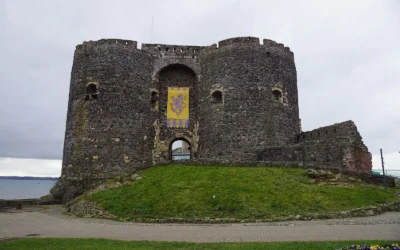
Carrickfergus Castle
Carrickfergus Castle: Ireland's Greatest Norman Fortress, Above Belfast Lough In 1315, Robert the Bruce's brother Edward invaded Ireland with an army and besieged Carrickfergus Castle. The siege went on so long, and provisions ran so completely dry, that the...
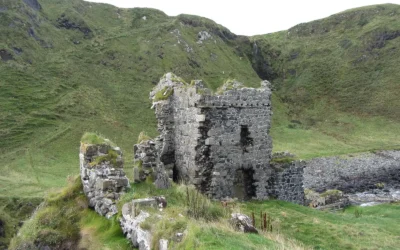
Kinbane Castle
Kinbane Castle: The White Head Castle at the End of 140 Steps, Above the Atlantic Kinbane means "white head" in Irish — Caisleán Ceinn Bán — and the name is immediately clear to anyone who looks at the limestone headland on which the castle stands: the cliff...
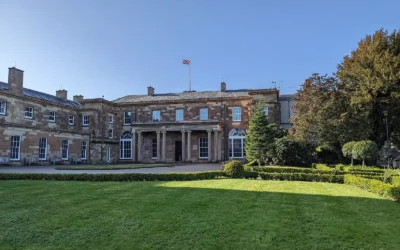
Hillsborough Castle
Hillsborough Castle: Where Northern Ireland's Peace Was Made, Twenty Minutes from Belfast In 1771, Wills Hill — the first Marquess of Downshire, one of the most powerful men in British colonial politics — received Benjamin Franklin at Hillsborough Castle. The...
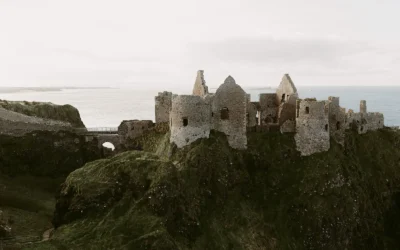
Dunluce Castle
Dunluce Castle: The Clifftop Ruin Where Game of Thrones Met Narnia, Above the Antrim Coast In 1588, a Spanish Armada ship called the Girona wrecked on the rocks near Dunluce Castle. The MacDonnell clan — who had controlled the castle since the 1550s — salvaged the...
Craig y Nos Castle
Craig y Nos Castle: The Victorian Opera Star Who Built Her Own Theatre in the Brecon Beacons Adelina Patti was the most celebrated opera singer of the Victorian era — a soprano who commanded the largest fees in the world and whose voice filled La Scala in Milan,...