
Stonehenge Wiltshire
Stonehenge Wiltshire | Everything You Need to Know
Rising from the wide green sweep of Salisbury Plain, Stonehenge is one of the most famous and most mysterious places on earth. Built and rebuilt over a staggering 1,500 years, beginning more than 5,000 years ago, this circle of colossal standing stones has puzzled and awed visitors for millennia. Who raised these 25-ton sarsens, and how? Why are they aligned so precisely with the rising sun of midsummer and the setting sun of midwinter? Even now, after centuries of study, Stonehenge guards its secrets — and that enduring mystery is exactly what draws over a million visitors a year.
Standing before the great trilithons, it’s impossible not to feel the weight of deep time. Was it an astronomical calendar, a temple, a place of healing, a burial ground? Perhaps all of these. A UNESCO World Heritage Site set within a vast prehistoric landscape of burial mounds and ancient earthworks, Stonehenge is a genuine wonder of the ancient world — and an unforgettable day out from London or the West Country. This guide covers everything you need to know before you go.
Where Is Stonehenge?
Stonehenge stands on Salisbury Plain in Wiltshire, England, around 2 miles west of Amesbury, with the nearest postcode SP4 7DE. The historic city of Salisbury, with its magnificent cathedral, lies about 9 miles to the south.
It’s set in open countryside, well signposted by brown tourist signs, and around two hours from central London by road. For navigation, enter the postcode SP4 7DE into any map app or sat-nav.
Opening Hours
Stonehenge is open daily, with hours that shift through the year:
- Typically: 9:30 AM – 7:00 PM (last admission 5:00 PM)
Opening times vary seasonally, particularly in winter and over holiday periods, and the site can have special arrangements around the solstices. As times change through the year, it’s always worth checking the official English Heritage website for the current schedule before you travel.
How to Get to Stonehenge
Stonehenge is a popular day trip, reachable several ways.
By train and bus. Take a direct train from London Waterloo to Salisbury (around 1 hour 30 minutes). From Salisbury station, the Stonehenge Tour Bus departs regularly from the forecourt, with an optional stop at Old Sarum; a taxi is the quicker alternative.
By coach. Numerous tour companies run day trips from London Victoria almost every day of the year, with small-group and private options bookable online.
By car. Stonehenge is roughly two hours from central London via the M3 and A303, following the brown tourist signs (postcode SP4 7DE). Parking is a small fee for non-members (free for English Heritage members) and is payable via app.
By bike. Cyclists are welcome, with cycle racks at the visitor centre. It’s possible to walk or cycle in from Amesbury (2 miles) or Durrington via bridleways.
Compare Transfers & Local Transport →
The Best Time to Visit
A little timing transforms the experience. To avoid the biggest crowds — and the midday coach-tour rush between roughly 11 AM and 2 PM — aim for early morning (before 9:30 AM) or later in the afternoon. Weekdays and the shoulder seasons of spring and autumn are noticeably quieter than the summer peak (July to mid-September) and bank holidays.
For photographers, late afternoon brings beautiful soft light, while early morning offers a serene, almost private atmosphere. The summer solstice (around 21 June) is a remarkable occasion with special access, but it draws very large crowds, so plan carefully. As an entirely outdoor site, clear weather makes all the difference — though rain is always possible on the plain, so check the forecast and dress accordingly.
Tickets and Costs
Ticket prices vary by season (off-peak, standard and peak) and visitor type. Advance booking online is strongly recommended to guarantee entry, especially in peak season.
| Ticket Type | Price |
|---|---|
| Adult (16+) | £21.50 |
| Child (5–15) | £12.90 |
| Family (2 adults + up to 3 children) | £55.90 |
| Stone Circle Experience | £41.50 per person |
English Heritage and National Trust members enter free with a valid card, as do carers accompanying disabled visitors. Concessions for students and seniors may be available outside peak times, and group and online booking discounts are offered through authorised sites. Non-members pay a small parking fee. As prices are reviewed periodically, it’s worth checking the official website for current rates before booking.
Check Tickets & Skip-the-Line Options →
What to Expect
A visit to Stonehenge is a rich, multi-part experience, and most visitors spend around two hours taking it all in.
The Stone Circle is, of course, the heart of it. A visitor path loops around the stones, bringing you within about 5 metres at the closest points — close enough to feel their sheer scale. Photography is encouraged, though touching the stones isn’t permitted except on a special tour.
Browse Stonehenge Tours & Experiences →
The Visitor Centre houses world-class exhibitions, including ancient artefacts and a striking 360-degree audio-visual experience that places you virtually inside the circle. Just outside, a cluster of reconstructed Neolithic houses brings the lives of Stonehenge’s builders vividly to life. A free shuttle bus runs regularly between the visitor centre and the stones (about a mile away), though many visitors choose to walk the scenic path across the landscape.
Facilities include restrooms, a café with views, a gift shop and water refill stations. Free audio guides are available via the English Heritage app, and the special Stone Circle Experience lets small groups enter the circle itself at sunrise or sunset.
Safety and Accessibility
Safety. Take care on the grass paths, which can be uneven (watch for rabbit holes) and slippery in wet weather. Follow the signage and stay aware of the visitor shuttle. Staff are on hand throughout to help.
Accessibility. Stonehenge is impressively accessible, having been voted the UK’s most accessible heritage site. The car park, visitor centre and stone circle are reachable via tarmac and grass paths (weather permitting), and the shuttle bus accommodates wheelchairs and Class 2 mobility scooters. A limited number of wheelchairs are available on a first-come, first-served basis, and there are accessible toilets and a Changing Places facility. For deaf visitors, audio guides include subtitles and BSL; visually impaired visitors can explore tactile objects and touchable stones near the Neolithic houses. Assistance dogs are welcome. Note that the wider landscape is not fully accessible for standard wheelchairs.
Families. The site is stroller-friendly, with interactive exhibits and wide open spaces for children, plus high chairs and bottle-warming facilities in the café.
Where to Stay Near Stonehenge
Staying near Stonehenge lets you visit early or late, beating the day-trip crowds — and opens up the wider Wiltshire landscape, with the lovely cathedral city of Salisbury close by. Whether you want a historic city base or a peaceful countryside stay, the area has plenty to offer.
A few options worth considering:
- Salisbury — the most convenient base, around 9 miles away, a beautiful historic city with its famous cathedral, plenty of accommodation, and good transport links to Stonehenge.
- Amesbury — the closest town, just 2 miles from the stones, quiet and handy for an early-morning visit.
- Wider Wiltshire countryside — characterful villages and country inns dot the area, ideal if you’re exploring the wider prehistoric landscape and nearby Avebury.
Stonehenge is hugely popular in summer and around the solstice, so booking accommodation ahead is strongly recommended.
A Brief History of Stonehenge
Stonehenge was built not in one go but in phases, over roughly 1,500 years, from around 3100 BC to 1600 BC. The iconic sarsen stone circle — the great uprights capped with horizontal lintels — was raised around 2600–2400 BC, using stones up to 13 feet tall and weighing as much as 25 tons, locked together with carpentry-style mortise and tenon joints. The smaller “bluestones” are an even greater marvel: they were transported over 240 km, very possibly from the Preseli Hills of west Wales.
Carefully aligned with the midsummer sunrise and midwinter sunset, Stonehenge may have functioned as an astronomical calendar, a religious temple, a place of healing or a burial ground — quite possibly several of these over its long life. It stands at the centre of a dense complex of Neolithic and Bronze Age monuments, and has been legally protected since 1882, becoming a UNESCO World Heritage Site in 1986.
A discovery that captures the builders’ astonishing reach: recent research suggests the great Altar Stone at the circle’s centre was transported all the way from north-east Scotland — a journey of hundreds of miles, hinting at connections and logistical skills across ancient Britain far greater than once imagined.
Nearby Attractions
Stonehenge sits within one of Britain’s richest prehistoric and historic landscapes, with several rewarding sites close by.
| Attraction | Why Visit | Distance |
|---|---|---|
| Old Sarum | An Iron Age hillfort with Norman castle and cathedral ruins, and panoramic views | ~5-min drive |
| Woodhenge | A Neolithic timber-circle site, marked out today, close to Stonehenge | ~5-min drive |
| Salisbury Cathedral | A breathtaking Gothic cathedral with the world’s oldest working clock and Britain’s tallest spire | ~20-min drive |
| Avebury Stone Circle | The world’s largest stone circle — and you can walk right among the stones | ~30-min drive |
| Wiltshire Museum | In Devizes, home to remarkable artefacts from Stonehenge and its landscape | ~30-min drive |
A natural day out: pair Stonehenge with the vast circle at Avebury, or head south to explore Old Sarum and the soaring Salisbury Cathedral — a wonderful mix of prehistoric wonder and medieval splendour.
Explore More with a Heritage Sightseeing Pass →
Practical Tips for Your Visit
- Book in advance. Reserve online to guarantee entry, especially in peak season and around the solstice.
- Time it to dodge the coaches. Arrive early or late — the busiest crush is roughly 11 AM to 2 PM.
- Wear comfortable walking shoes. There’s grass and uneven ground, and a mile between the centre and the stones if you walk it.
- Bring a waterproof walking jacket. The plain is open and exposed, and rain can sweep in quickly.
- Overseas visitor? The UK uses Type G plugs — a UK travel adapter is essential for charging your devices.
- Use the free audio guide. Available via the English Heritage app, it adds rich context to the stones.
- Photography is welcome for personal use, but tripods and drones are not permitted.
- Consider the Stone Circle Experience. For a small-group sunrise or sunset visit inside the circle itself, it’s truly special — but book well ahead.
Frequently Asked Questions
What are the opening hours of Stonehenge Wiltshire?
Stonehenge is open daily, typically from 9:30 AM to 7:00 PM with last admission at 5:00 PM, though hours vary by season and around the solstices. Check the official English Heritage website for the current schedule before visiting.
How much does it cost to visit Stonehenge Wiltshire?
Standard admission is around £21.50 for adults, £12.90 for children, and £55.90 for a family ticket, with prices varying by season. The Stone Circle Experience costs more. English Heritage and National Trust members enter free. Check the official website for current rates.
Is Stonehenge suitable for children?
Yes — it’s family-friendly, with interactive exhibits, reconstructed Neolithic houses and wide open spaces. As it’s an outdoor site, dressing for the weather is key.
Are there any discounts available for Stonehenge Wiltshire?
English Heritage and National Trust members enter free. Concessions for students and seniors may apply outside peak times, and online booking or group rates can offer savings through authorised sites.
How long does a visit to Stonehenge take?
A typical visit lasts about two hours, covering the visitor centre, the shuttle ride (or scenic walk) and time at the stone circle itself.
Is photography allowed at Stonehenge Wiltshire?
Yes — personal photography is permitted and encouraged. Tripods and drones, however, are not allowed.
Are there guided tours available at Stonehenge?
Free audio guides are available via the English Heritage app, and the Stone Circle Experience offers guided small-group access inside the circle at sunrise or sunset.
What’s the best way to get to Stonehenge from London?
Take a train from London Waterloo to Salisbury, then the Stonehenge Tour Bus or a taxi. Alternatively, drive around two hours via the M3 and A303, or join a coach day trip from London Victoria.
Is Stonehenge wheelchair accessible?
Yes — the main areas are accessible via tarmac and grass paths, with an accessible shuttle bus, available wheelchairs and a Changing Places facility. The wider landscape may not suit standard wheelchairs.
Are there dining options near Stonehenge Wiltshire?
The visitor centre has a café serving snacks and drinks with lovely views. Nearby Amesbury and the city of Salisbury offer a wider range of cafés and restaurants.
National Gallery
National Gallery London | Everything You Need to Know Few places capture the spirit of London quite like the National Gallery. Standing proudly over Trafalgar Square, this world-class museum holds more than 2,300 paintings spanning the mid-13th century to 1900 — a...

Borough Market
Borough Market London | Everything You Need to Know The moment you step into Borough Market, your senses take over. The warm, yeasty scent of freshly baked sourdough mingles with melting raclette, roasting coffee and sizzling chorizo. Traders call out across cobbled...
Westminster Abbey
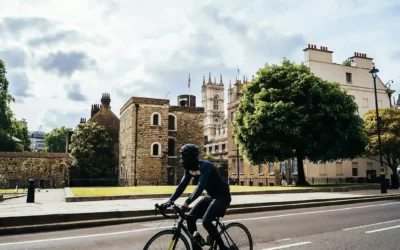
Westminster Abbey London | Everything You Need to Know Some buildings carry the weight of history quietly. Westminster Abbey carries it like no other. Step through its doors and you are walking the same stone floors trodden by every English and British monarch since...

Camden Market
Camden Market London | Everything You Need to Know Step off the Tube at Camden Town and the market finds you before you find it. The smell reaches you first — jerk chicken and melting raclette, roasting coffee and warm dough from a churros stand somewhere just around...

Buckingham Palace
Buckingham Palace London | Everything You Need to Know Few buildings on earth are as instantly recognisable as Buckingham Palace. Stand at the gates, look past the golden railings to that famous east front, and you are looking at the beating heart of the British...