
St Michael’s Mount
St Michael's Mount: The Tidal Island Rising from the Heart of Cornwall
At low tide, a granite causeway stretches from the mainland town of Marazion across the shallow waters of Mount's Bay, and on the island at the far end a castle rises from the rock towards the Cornish sky. When the tide comes in, the causeway disappears beneath the sea, and the island — its village, its castle, its subtropical gardens — becomes entirely surrounded by water.
When the tide turns and retreats again, the walk across is possible once more. This rhythm of access and isolation has shaped St Michael's Mount for over a thousand years, drawing pilgrims across the causeway in the medieval period just as visitors cross it today.
St Michael's Mount is a tidal island in Mount's Bay, Cornwall, managed by the National Trust and home to the St Aubyn family, who have lived here since 1659. The island supports a community of around 30 residents, making it a living place rather than a preserved monument. At its summit stands a medieval castle containing state rooms, a chapel and an armoury; terraced subtropical gardens cling to the cliffs below; and a cobbled village with cafés and shops nestles in the island's shelter.
According to the oldest local legend, the giant Cormoran once lived here before Jack the Giant Killer lured him to his doom. Long before that, tradition holds, the Archangel Michael appeared to Cornish fishermen in a vision above this rock. This guide covers everything you need to plan your visit.
Where Is St Michael's Mount?
St Michael's Mount is in Mount's Bay, approximately half a mile off the town of Marazion on the south Cornwall coast, about 3 miles east of Penzance. The island is connected to Marazion by a granite causeway that can be walked at low tide, making tidal times essential to check before visiting — the causeway is submerged at high tide, and visitors cross by boat when the sea is over the path.
Penzance railway station, on the mainline from London Paddington (around 5 to 5.5 hours) and from the rest of Cornwall, is 3 miles from Marazion. Buses connect Penzance to Marazion, from where the causeway or boat takes visitors to the island. Parking is available in Marazion.
A Brief History of St Michael's Mount
The island's ancient history reaches back well before the medieval period. In antiquity, it may have been the place known as Ictis — a tin trading hub mentioned in ancient texts, where Cornish tin was exported across the ancient world. Whatever its prehistoric role, the island's recorded Christian history begins in the 8th century, when — according to tradition — the Archangel Michael appeared to local fishermen in a vision on the rock, establishing the spiritual significance that would make it a major pilgrimage destination for the next several centuries.
The monastery that grew from this tradition was developed under the Benedictines of Mont-Saint-Michel in Normandy, the tidal island off the Brittany coast whose resemblance to St Michael's Mount — conical, sea-girt, topped with a monastery — is not coincidental; both share ancient associations with St Michael and both drew medieval pilgrims from across Europe.
By the Middle Ages, Marazion and the Mount together were among the most important pilgrimage destinations in England. The island was fortified during the Civil War and served various military purposes over the centuries. John St Aubyn purchased it in 1659, and the family have lived there ever since, maintaining the castle and the community that the island supports.
The remarkable thing about St Michael's Mount is how completely it has maintained its layered identity across time. Tin trading port, pilgrimage island, medieval monastery, Civil War fortress, Georgian country house and National Trust property — all of it compressed onto a single rock half a mile from the Cornwall coast, with the same granite causeway that medieval pilgrims walked still accessible twice a day.
Architecture & Design
The castle at the summit of St Michael's Mount dates in its earliest fabric to the 12th century, with significant additions through the Tudor, Georgian and Victorian periods. The exterior — granite walls and slate roofs rising from the island's rocky peak — blends seamlessly with the natural geology of the island, as if the building has grown from the rock rather than been placed upon it. Narrow staircases and passages wind through the interior, and towers offer sweeping views of Mount's Bay and the south Cornwall coast.
The interior rooms include the Chequered Hall with its distinctive flooring, the Gothic Drawing Room, the chapel and the Armoury, which traces the island's military history. The rooms carry the accumulated character of a family home across three and a half centuries of St Aubyn occupation — not the grandeur of a state palace but the layered personality of a house where people have actually lived.
The subtropical gardens descending the cliff below the castle are among the most unusual in Britain: palms, agaves and exotic planting on terraced levels, maintained by gardeners who sometimes abseil down the cliff faces to tend the more inaccessible plots.
Legends & Lore
St Michael's Mount has one of the richest bodies of folklore of any island in England. The oldest and most vivid is the tale of the giant Cormoran, who was said to wade ashore from the mount at night to steal cattle and terrorise the people of Cornwall.
According to the legend of Jack the Giant Killer — one of the most famous folk stories in the English tradition — a Cornish youth named Jack dug a pit on the mainland, lured Cormoran across at dawn, and the giant fell to his death. The pit, some say, can still be found on the beach below the mount.
The island's name comes from a different tradition: the account of the Archangel Michael appearing to local fishermen in a vision above the rock in the 8th century, which the medieval church took as a founding miracle and which drew pilgrims from across Europe for centuries.
Tales of mermaids and miracles accumulated around the island through the medieval period, and the connection to the French island of Mont-Saint-Michel — where a similar founding legend of Michael appearing above the sea gave rise to a similar monastic tradition — adds a dimension that extends across the Channel. These stories are told as legend and folklore; they are a genuine and ancient part of the island's character.
Visiting the Castle
Before anything else: check the tide times. The causeway across to St Michael's Mount is passable on foot only at low tide; at high tide, visitors cross by boat (boats operate seasonally from Marazion). Planning your visit around the tidal schedule is essential, and the official website and local tide tables give the information you need. Arriving to find the causeway submerged is a preventable disappointment.
On the island, the visit takes in the castle rooms — the Gothic Drawing Room, the Chequered Hall, the Armoury and the chapel — with guided tours available to contextualise the history and the St Aubyn family's long occupation.
The subtropical gardens on the cliff terraces are a highlight in their own right, with seasonal planting in a setting that feels quite unlike any other garden in England — cliff-edge, sea-facing, planted with species that thrive in Cornwall's mild Atlantic climate. The cobbled village below the castle has cafés, including the Island Café, and shops selling local crafts.
The castle opens seasonally from spring to early autumn; the gardens have their own seasonal schedule. National Trust members may have different entry options — check the official website. Booking tickets in advance is recommended for peak summer visits.
Check Tickets & Tour Times for St Michael's Mount →
Check the official St Michael's Mount website for current opening dates, tide times and prices before you travel.
Where to Stay Near St Michael's Mount
St Michael's Mount does not offer visitor accommodation — the island is a living community with its own residents, not a visitor overnight destination. The town of Marazion, immediately across the causeway, has hotels, guesthouses and self-catering options with direct views of the mount from their windows — one of the loveliest outlooks in Cornwall. Penzance, 3 miles west, offers a wider choice and excellent transport connections.
Staying in Marazion allows evening views of the mount as the tide changes and the island lights come on — one of the finest sunset views on the Cornish coast.
Find Hotels & Stays in Marazion →
The Best Time to Visit
Spring (April to June) is a fine time at St Michael's Mount — the gardens are coming into life, the Atlantic light on Mount's Bay is exceptional and the causeway crowds are lighter than in high summer. Summer (July and August) brings the fullest opening programme and the best weather, but also the largest visitor numbers; the causeway can be busy on August low tides, and booking in advance is essential.
Autumn (September to October) offers the most atmospheric combination of sea light, quieter paths and the full subtropical garden in its late-season colour. Winter sees reduced opening and some castle rooms closed, but the island viewed from the Marazion shore in winter — the causeway empty, the mount rising from the grey Atlantic — is one of the most powerful views in Cornwall.
For the best experience, plan your visit around a morning low tide on a weekday in late spring or early September, arriving as the causeway opens.
How to Get There
By car. Drive to Marazion on the A394; car parking is available in the town. Walk the causeway at low tide or take the seasonal boat at high tide.
By train. London Paddington to Penzance takes around five hours on the Great Western mainline; buses from Penzance to Marazion take around 15 minutes.
By bus. Services from Penzance reach Marazion regularly; check current timetables locally.
The tide crossing. The granite causeway is passable at low tide; at high tide, a seasonal boat service operates from Marazion. Always check tide times before you travel — the official website and local tide tables are the most reliable source.
Compare Transfers & Local Transport in Cornwall →
Nearby Attractions
St Michael's Mount sits at the far south-western tip of England, in one of the most scenically dramatic and historically rich corners of the country.
| Attraction | Why Visit | Distance |
|---|---|---|
| Marazion & Mount's Bay | The town across the causeway — the best views of the mount, plus beaches, independent shops and cafés | ~0.5 miles |
| Penzance | A historic Cornish harbour town with the Penlee House Gallery and Museum, and good rail connections | ~3 miles |
| Minack Theatre | A breathtaking open-air theatre carved into the clifftop at Porthcurno — one of the most dramatic settings for any theatre in the world | ~9 miles |
| Lizard Point Lighthouse | England's southernmost lighthouse — our separate guide covers it in full | ~14 miles |
| St Ives | One of Cornwall's most celebrated art towns, with Tate St Ives and a beautiful harbour | ~9 miles |
A natural Cornish day out pairs St Michael's Mount with a drive around the Penwith peninsula — Porthcurno and the Minack Theatre in the afternoon, and St Ives for the evening.
Browse Cornwall & Penzance Tours →
Family & Accessibility
Families. St Michael's Mount is an exceptional family destination. The causeway walk alone — crossing the sea on a granite path as the tide recedes around you — is an experience children rarely forget; the giant Cormoran legend, the castle armoury and the island village all add to the adventure. Younger children will need supervision on the causeway edges and the steep castle paths.
Accessibility. The path from the causeway to the castle is steep and not suitable for wheelchairs or pushchairs. The village and lower island areas are more accessible. Assistance dogs are permitted on the island with prior notification — contact the official website. Check the full accessibility details before visiting if you have specific requirements.
Practical Tips
- Check the tide times before you travel — the causeway is passable only at low tide. The official website and local tide tables provide this information. Missing the low tide can mean waiting several hours for the next crossing.
- Book tickets in advance during July and August — the island has limited daily capacity.
- Wear comfortable walking shoes with grip — the causeway is wet and the castle paths are steep and irregular.
- Pack a waterproof walking jacket; the causeway and the island are fully exposed to Atlantic weather.
- Bring a portable power bank — a full day on the island will use a phone for photography and tidal information.
- Allow time in the village as well as the castle — the cobbled streets, the cafés and the view of the causeway from the island are as much a part of the experience as the rooms above.
- Photography is generally permitted throughout the grounds and gardens; check with staff inside the castle rooms for any specific restrictions.
- Overseas visitor? Pack a UK travel adapter for Type G plugs.
Conclusion
St Michael's Mount has been a tin port, a pilgrimage island, a monastery, a Civil War fortress and a family home, all on the same rock half a mile off the south coast of Cornwall. The giant Cormoran is said to have waded ashore from here.
The Archangel Michael appeared above this island — or so the fishermen believed — and made it holy. The granite causeway appears twice a day as the tide retreats. On the other side, a castle, a garden, a village and a community of thirty people wait, as they have for a thousand years, for whoever chooses to cross.
Frequently Asked Questions
How do I cross to St Michael's Mount?
At low tide, you walk across the granite causeway from Marazion. At high tide, a seasonal boat service operates from the Marazion shoreline. Always check tide times on the official St Michael's Mount website before travelling.
What are the opening hours of St Michael's Mount?
The castle and gardens open seasonally, generally from spring through to early autumn, Sunday to Friday (closed Saturdays). Opening dates and times vary by year — check the official website for current details.
How much does it cost to visit St Michael's Mount?
Tickets cover the castle, the gardens, or a combination of both. National Trust members may have different entry options. Check the official website for current prices and National Trust member arrangements.
Can I stay overnight on St Michael's Mount?
No — the island is a living community with its own residents, and no visitor accommodation is available. Marazion, directly across the causeway, is the ideal base.
Is St Michael's Mount suitable for children?
Very much so — the causeway crossing, the giant Cormoran legend, the castle armoury and the island village all make it a memorable family experience. Younger children need supervision on the causeway edges and steep castle paths.
Is St Michael's Mount wheelchair accessible?
The path to the castle is steep and not suitable for wheelchairs or pushchairs. The lower village and accessible areas of the island are more navigable. Contact the castle in advance for detailed accessibility advice.
Is there food on St Michael's Mount?
Yes — the Island Café and other dining options are available on the island. Cafés and restaurants are also available in Marazion across the causeway.
Are dogs allowed on St Michael's Mount?
Assistance dogs are permitted on the island with prior notification to the castle. Check the current policy for other dogs before visiting.
What is the Jack the Giant Killer legend at St Michael's Mount?
According to Cornish folklore, the giant Cormoran lived on St Michael's Mount and terrorised the mainland by night. A youth named Jack dug a pit on the shore, lured Cormoran across at dawn, and the giant fell to his death — one of the most famous legends associated with any place in Cornwall.
Is St Michael's Mount connected to Mont-Saint-Michel in France?
Yes — both are tidal islands with conical shapes and medieval monasteries dedicated to St Michael. The Benedictine monastery at St Michael's Mount was originally dependent on Mont-Saint-Michel, and the two share ancient legends of the Archangel's appearance above the sea.
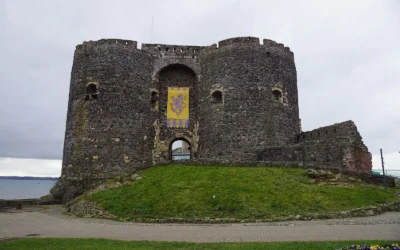
Carrickfergus Castle
Carrickfergus Castle: Ireland's Greatest Norman Fortress, Above Belfast Lough In 1315, Robert the Bruce's brother Edward invaded Ireland with an army and besieged Carrickfergus Castle. The siege went on so long, and provisions ran so completely dry, that the...
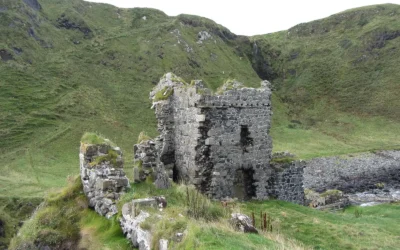
Kinbane Castle
Kinbane Castle: The White Head Castle at the End of 140 Steps, Above the Atlantic Kinbane means "white head" in Irish — Caisleán Ceinn Bán — and the name is immediately clear to anyone who looks at the limestone headland on which the castle stands: the cliff...
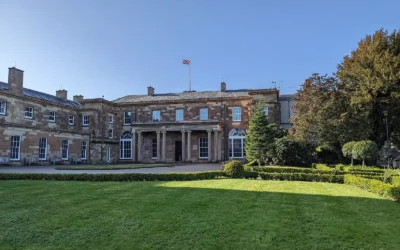
Hillsborough Castle
Hillsborough Castle: Where Northern Ireland's Peace Was Made, Twenty Minutes from Belfast In 1771, Wills Hill — the first Marquess of Downshire, one of the most powerful men in British colonial politics — received Benjamin Franklin at Hillsborough Castle. The...
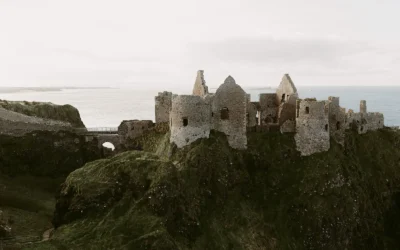
Dunluce Castle
Dunluce Castle: The Clifftop Ruin Where Game of Thrones Met Narnia, Above the Antrim Coast In 1588, a Spanish Armada ship called the Girona wrecked on the rocks near Dunluce Castle. The MacDonnell clan — who had controlled the castle since the 1550s — salvaged the...
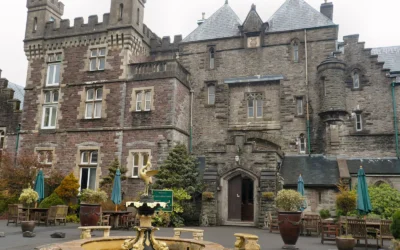
Craig y Nos Castle
Craig y Nos Castle: The Victorian Opera Star Who Built Her Own Theatre in the Brecon Beacons Adelina Patti was the most celebrated opera singer of the Victorian era — a soprano who commanded the largest fees in the world and whose voice filled La Scala in Milan,...