
Science Museum
Science Museum: Everything You Need to Know
Dive into the wonders of human ingenuity at the Science Museum, a world-renowned institution in London’s South Kensington dedicated to science, technology, engineering, and mathematics (STEM). Founded in 1857, this iconic museum houses over 300,000 objects, from historic steam engines to cutting-edge space technology, attracting over 3 million visitors annually. With interactive galleries like Wonderlab, immersive exhibitions like Power Up, and awe-inspiring displays of real space rockets, the Science Museum offers a captivating experience for families, students, and curious minds.
Whether you’re exploring the history of medicine or enjoying a 3D IMAX documentary, this free-to-enter museum promises a fun and educational day out in the heart of London’s museum district.
Location
The Science Museum is located at Exhibition Road, South Kensington, London SW7 2DD, United Kingdom, in the vibrant “Albertopolis” cultural hub. Nestled alongside the Natural History Museum and Victoria and Albert Museum, it’s part of London’s renowned museum quarter, making it an ideal stop for a day of exploration. Use apps like Google Maps or Citymapper for precise navigation.
Opening Hours
The Science Museum is open daily from 10:00 AM to 6:00 PM, with last entry at 5:15 PM. Galleries begin closing 30 minutes before the museum shuts. It is closed annually from December 24 to December 26. Some galleries, such as Medicine and Bodies in the Wellcome Galleries, may have temporary closures (e.g., 5:00 PM–6:00 PM on specific dates like August 10 and 24, 2025). Always check the visit page for the latest schedule and any planned maintenance or construction updates.
How to Get There
The Science Museum is easily accessible by various transport options:
- By Tube: South Kensington station (District, Circle, and Piccadilly lines) is a 5-minute walk via a pedestrian subway from the station concourse. Gloucester Road station (Circle, District, and Piccadilly lines) is a 10-minute walk.
- By Bus: Routes 14, 74, 360, 414, and C1 stop near Exhibition Road or South Kensington. Check Transport for London for schedules.
- By Train: London Victoria station, served by Southern and Southeastern services, is the closest major rail hub, about a 38-minute walk or a short Tube ride to South Kensington.
- By Bicycle: Santander Cycles docking stations are available on Exhibition Road and Thurloe Place. Folding bicycles can be stored in the museum’s cloakroom for a small fee.
- By Car: No on-site parking is available, and street parking is limited. Nearby paid options include Q-Park Knightsbridge, but public transport is strongly recommended.
- By Foot: A scenic 20-25 minute walk from central London areas like Hyde Park or Kensington Gardens offers a pleasant approach.
For real-time travel updates, use apps like TfL Go or Citymapper.
Best Time to Visit
The Science Museum is a year-round destination, but spring (March–May) and autumn (September–November) offer milder weather and fewer crowds, ideal for a relaxed visit. Summer (June–August) is popular with families due to school holidays, making it busier, especially in interactive galleries like Wonderlab. Winter (December–February) is quieter, except during festive periods, though the Christmas closure (December 24-26) should be noted. For a less crowded experience, visit on weekdays or early mornings at 10:00 AM. Late openings on select Fridays (until 10:00 PM) provide a unique, quieter atmosphere. Check the what’s on page for special events like science shows or temporary exhibitions, such as the “Future World” sustainability exhibit running through 2025.
Tickets and Costs
Entry to the Science Museum’s permanent collections is free, though pre-booking a timed ticket is required via the welcome page. Some special exhibitions and experiences, like the IMAX cinema or Wonderlab, may have additional fees. Donations are encouraged to support the museum’s work, accessible at donate page. Schools and groups can book free tickets at groups page. Ticket prices for paid experiences as of May 2025 include:
| Experience | Adult | Child (3-16) | Family (2 adults + 2 children) | Concession |
| General Admission | Free | Free | Free | Free |
| Wonderlab: The Equinor Gallery | £11 | £9 | £36 | £10 |
| IMAX Cinema | £12 | £8 | Varies | £10 |
| Power Up | £9 | £8 | Varies | £8 |
- Concessions: Available for students, seniors, and disabled visitors with valid ID.
- Membership: Science Museum membership (£62 for adults, £87 for families) offers priority access and discounts on paid experiences.
- Note: Book tickets by calling +44 (0)33 0058 0058 or emailing contact@sciencemuseum.org.uk if online booking is unavailable.
What to Expect
The Science Museum spans multiple floors with over 300,000 objects, offering a diverse range of interactive and educational experiences:
- Exploring Space: Walk under real-life rockets, including a replica of the Apollo 11 Lunar Module, and explore the history of space exploration.
- Wonderlab: The Equinor Gallery: An interactive space with live science shows, friction slides, and hands-on experiments, ideal for families.
- Power Up: A celebration of 50 years of gaming history, featuring vintage and modern video games and consoles.
- Medicine: The Wellcome Galleries: Five galleries showcasing medical history, from surgical tools to prosthetics, with volunteer-led tours.
- IMAX: The Ronson Theatre: Watch 3D documentaries on space, nature, and science in a state-of-the-art cinema.
- Future World: A free exhibition exploring sustainable food solutions, including lab-grown meat and seed vaults, with an interactive multiplayer game.
- Out-of-this-world Trail: A free family trail inspired by Disney and Pixar’s Elio, perfect for young visitors.
A typical visit lasts 2-3 hours, though families or enthusiasts may spend longer in interactive areas like Wonderlab. Facilities include accessible toilets, baby-changing areas, a cloakroom (small fee for folding bikes or bags), and dining options like the Energy Café, Diner, and Shake Bar. The museum shop sells science-themed souvenirs, from model rockets to educational toys. Free Wi-Fi is available, and audio guides in multiple languages enhance the experience. Note that some galleries are under construction in 2025, which may cause minor noise disruptions.
Safety and Accessibility
- Safety: The Science Museum is a safe, family-friendly environment with staff and security present. Security checks at the entrance ensure visitor safety, though vigilance for pickpockets is advised in crowded areas. Children under 12 must be accompanied by an adult (aged 18+). Follow signage for any construction-related restrictions.
- Accessibility:
- Wheelchair Access: Ramps and lifts provide access to most galleries, with free wheelchair hire available at the main entrance (first-come, first-served).
- Assistance Dogs: Welcome throughout the museum.
- Sensory Support: Sensory maps and quiet spaces are available for neurodiverse visitors. The Contemplation Room offers a calm area for reflection.
- Hearing Loops: Installed at information desks and select galleries.
- Audio-Described Tours: Available for blind or partially sighted visitors via SoundCloud.
- Accessible Toilets: Located across the museum, with a Changing Places facility in the basement.
For detailed accessibility information, visit the access page or contact access@sciencemuseum.org.uk.
History and Background
Founded in 1857 under Bennet Woodcroft, the Science Museum began as part of the South Kensington Museum, incorporating collections from the Royal Society of Arts and surplus items from the Great Exhibition of 1851. Initially including what is now the Victoria and Albert Museum, it became an independent entity on June 26, 1909. The current building, designed by Sir Richard Allison, opened in stages from 1919 to 1928, with expansions like the Children’s Gallery (1931), Centre Block (1961–1963), Wellcome Galleries (1980), and Wellcome Wing (2000).
Today, part of the Science Museum Group, it remains a leading institution for STEM education, showcasing iconic objects like Stephenson’s Rocket and the Apollo 10 command module. Fun Fact: The museum’s collection includes the world’s first jet engine, the Gloster E.28/39, displayed in the Exploring Space gallery.
Nearby Attractions
The Science Museum’s South Kensington location makes it ideal for a cultural day out:
- Natural History Museum (2-minute walk): Home to dinosaur fossils and the iconic blue whale skeleton.
- Victoria and Albert Museum (3-minute walk): A treasure trove of art and design.
- Hyde Park (10-minute walk): A vast green space for walks or picnics.
- Royal Albert Hall (5-minute walk): A historic venue for concerts and events.
Combine your visit with a trip to the Natural History Museum and a stroll through Hyde Park for a full day of exploration.
Practical Tips
- Pre-book Tickets: Reserve free tickets online at welcome page to avoid queues, especially during peak seasons.
- Wear Comfortable Shoes: Extensive walking across multiple floors requires sturdy footwear.
- Check Gallery Closures: Some galleries, like Medicine and Bodies, may close early on specific dates; verify on the visit page.
- Bring a Camera: Photography is permitted in most areas, except where noted in special exhibitions.
- Plan for Noise: Ongoing construction in 2025 may cause minor disruptions; check updates online.
- Use the Map: Download a museum map or sensory version from the visit page to navigate efficiently.
- Dining: The Energy Café, Diner, and Shake Bar offer meals and snacks, with additional eateries in South Kensington.
- Check Events: Explore science shows, late-night openings, or family trails on the what’s on page.
FAQs
What are the opening hours of the Science Museum?
The museum is open daily from 10:00 AM to 6:00 PM, with last entry at 5:15 PM. It is closed December 24-26. Check the visit page for updates.
How much does it cost to visit the Science Museum?
General admission is free with pre-booked tickets. Paid experiences like Wonderlab (£11 adult) and IMAX (£12 adult) have separate fees.
Is the Science Museum suitable for children?
Yes, it’s highly family-friendly with interactive galleries like Wonderlab and trails like the Elio-inspired Out-of-this-world Trail. Children under 12 must be accompanied by an adult.
Are there any discounts available for the Science Museum?
General admission is free. Concessions for paid experiences are available for students, seniors, and disabled visitors. Membership offers discounts on exhibitions.
How long does it take to visit the Science Museum?
A typical visit lasts 2-3 hours, though families or enthusiasts may spend longer in interactive areas.
Is photography allowed at the Science Museum?
Yes, photography is permitted in most areas, except where restricted in special exhibitions.
Are there guided tours available at the Science Museum?
Yes, volunteer-led tours, like the Medicine and Wellcome Galleries tour, are available. Check the what’s on page for schedules.
What’s the best way to get to the Science Museum from the city center?
Take the Tube to South Kensington station (District, Circle, or Piccadilly lines), a 5-minute walk away, for the quickest route.
Is the Science Museum wheelchair accessible?
Yes, with ramps, lifts, free wheelchair hire, and accessible toilets. Sensory maps and quiet spaces are available for neurodiverse visitors.
Are there dining options near the Science Museum?
The museum offers the Energy Café, Diner, and Shake Bar. South Kensington has numerous cafes and restaurants nearby.
Victoria and Albert Museum
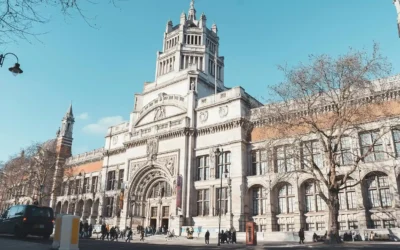
Victoria and Albert Museum: Everything You Need to Know Step into a world of artistic brilliance at the Victoria and Albert Museum (V&A), the world’s leading museum of applied arts, decorative arts, and design. Located in London’s vibrant South Kensington, the...

The Real Mary Kings Close
The Real Mary King’s Close | Everything You Need to Know Step into the shadows of 17th-century Edinburgh at The Real Mary King’s Close, a hidden treasure beneath the vibrant Royal Mile. This preserved street, once bustling with merchants, craftsmen, and families,...

National Gallery
National Gallery | Everything You Need to Know Welcome to the National Gallery, a world-class art museum in the heart of London’s Trafalgar Square. Established in 1824, it houses over 2,300 paintings from the mid-13th century to 1900, offering a captivating journey...

Borough Market
Borough Market | Everything You Need to Know Welcome to Borough Market, one of London’s most iconic food markets, where the aromas of freshly baked bread, sizzling street food, and artisanal cheeses fill the air. With a history spanning over a thousand years, this...

Westminster Abbey
Westminster Abbey | Everything You Need to Know Welcome to Westminster Abbey, a breathtaking Gothic church that stands as a cornerstone of British history. For over 1,000 years, this UNESCO World Heritage Site has been the stage for coronations, royal weddings, and...