
Pembroke Castle
Pembroke Castle: Where Henry VII Was Born, Above a Prehistoric Cave
Beneath Pembroke Castle, in the limestone bedrock on which the fortress stands, there is a cave. Wogan Cavern is a prehistoric chamber that was occupied by early humans long before any castle existed here — accessible through a doorway from the castle's interior, its arched entrance looking out over the Pembroke River.
Above it, in the rooms of the castle, Henry Tudor was born on 28 January 1457. He would become Henry VII, the first Tudor king, winning the crown at the Battle of Bosworth in 1485 and founding the dynasty that would rule Britain for 118 years. The birthplace of the first Tudor king is built above a cave inhabited in prehistory. The combination is unique.
Pembroke Castle was founded in 1093 as a Norman stronghold, transformed into a stone fortress by William Marshal — described by his contemporaries as the greatest knight in the world — and restored in the 19th and 20th centuries into the largest privately owned castle in Wales. Free guided tours run daily. This guide covers everything you need to plan your visit.
Where Is Pembroke Castle?
Pembroke Castle is in the centre of Pembroke, Pembrokeshire, South Wales, on a rocky promontory above the Pembroke River. It is reached via the A477. From Cardiff, the drive takes approximately two hours. Pay-and-display parking is available on Common Road and nearby streets, a short walk from the castle entrance on Westgate Hill.
By train, Pembroke Dock station is the nearest rail stop (around 10–15 minutes' walk or a short bus ride); services from Cardiff take around three hours.
A Brief History of Pembroke Castle
Arnulf of Montgomery built the first wooden motte-and-bailey fortress at Pembroke in 1093, during the Norman push into south-west Wales. The castle's strategic position — on a promontory with water on three sides — gave it natural defensive advantages that the original timber construction could exploit. The great transformation came when William Marshal became Earl of Pembroke in the late 12th century.
Marshal was the most celebrated knight of his era: a tournament champion, a statesman, and the regent of England during the minority of Henry III. He rebuilt Pembroke in stone, raising the Great Keep that remains the castle's defining structure — a massive cylindrical tower, nearly 80 feet tall, with the unusual distinction of a domed roof and four stories connected by a spiral staircase.
Henry Tudor was born here in 1457, the son of Edmund Tudor and Margaret Beaufort. His father died before his birth; his uncle, Jasper Tudor, raised and protected him through the dangerous years of the Wars of the Roses. Henry's eventual victory at Bosworth in 1485, and his founding of the Tudor dynasty, gave Pembroke Castle a significance in English royal history that no subsequent event has diminished.
During the Civil War, the castle was initially held by Parliamentarian forces under Colonel John Poyer, who then defected to the Royalists in the Second Civil War of 1648. Oliver Cromwell besieged it for seven weeks before it surrendered. Cromwell ordered its partial destruction, as was his practice with Royalist fortresses. The castle was then left as a ruin until Victorian-era restoration work by J.R. Cobb, and later Major-General Sir Ivor Phillips, brought it back to something approaching its medieval character. It remains privately owned — the largest privately owned castle in Wales.
The remarkable thing about Pembroke is the depth of what lies within it. The 80-foot domed Keep above ground, the medieval gatehouse and inner ward, and the prehistoric cave beneath all occupy the same promontory. It is the only castle in Britain where you can descend from the rooms of a Tudor king's birthplace into a prehistoric human shelter.
Architecture & Design
The Great Keep is the castle's centrepiece and its most architecturally extraordinary feature. Its cylindrical form, rising nearly 80 feet, is topped with an unusual and rare domed stone roof — circular in plan and vaulted internally — rather than the flat or conical roof of comparable towers. Four storeys, connected by a spiral staircase, fill the interior; putlog holes in the outer wall mark where a wooden fighting platform once provided additional defensive coverage at the top. William Marshal's engineering is evident throughout the keep's construction.
The inner ward includes the Great Hall and private apartments, while the outer ward has its own towers and a substantial gatehouse. The castle's oval shape, dictated by the shape of the promontory, and the mill pond that still surrounds part of the site, give it a distinctive silhouette.
Wogan Cavern — the prehistoric cave accessible from within the castle — is a natural chamber in the limestone, its arched opening facing the river. Its human occupation predates the castle by millennia; it was later used as a water gate and store during the medieval period.
Legends & Lore
Pembroke Castle carries a legend that it was the birthplace of King Arthur — a claim that is almost certainly folklore, but one that was meaningful enough to Henry VII that he named his first-born son Arthur, deliberately tying the Tudor dynasty to the Arthurian tradition and to Pembroke. The son Arthur died young, and it was his younger brother who became Henry VIII, but the Arthurian resonance remained part of how the Tudors understood their own origin.
A darker tradition surrounds William Marshal. According to the story, an Irish bishop cursed Marshal after a dispute, predicting that all his sons would die without heirs. The historical record is that William Marshal's five sons did indeed all die without male heirs, ending the Marshal family line within a generation of the great knight's death. The curse is told as legend, but the facts it describes are real.
The castle hosts ghost tours, where guides share tales of reported hauntings and unexplained sounds in the castle's older passages — long-established accounts that form part of Pembroke's visitor tradition. The author Philippa Gregory has also drawn on events connected to Pembroke for several of her Cousins' War novels, giving the castle a substantial presence in historical fiction.
Visiting the Castle
Pembroke Castle is privately owned and open daily. Free guided tours run throughout the day, included with admission, and cover the castle's history from Norman construction through to the Tudor connection and beyond.
The Great Keep is the essential climb — 80 feet of cylindrical tower, with a remarkable domed roof at the top and panoramic views across Pembrokeshire. Wogan Cavern is an unmissable feature: the prehistoric cave beneath the castle, accessed via a doorway from the interior, is entirely unlike anything at any other castle in Britain. The Dungeon Tower provides a sense of medieval prison conditions. An exhibition depicting Henry VII's birth is housed within the castle.
The castle also contains the largest walk-on map of Wales — a floor exhibit showing the principal landmarks of the country to scale.
The Castle Kitchen serves homemade meals and drinks on site. A Gift Shop and Heraldry Centre stocks souvenirs, books and heraldic items. Dogs on short leads are welcome in most areas of the castle, except the café and shop. Photography for personal use is permitted throughout.
Check Tickets & Tour Times for Pembroke Castle →
For current opening hours and prices, check the official Pembroke Castle website before your visit.
Where to Stay Near Pembroke Castle
Pembroke town has a range of hotels and guesthouses within walking distance of the castle. Tenby, 10 miles east, is one of the most beautiful walled medieval towns in Wales and offers a wide range of accommodation; it makes an excellent base for combining Pembroke with the Pembrokeshire coast.
Find Hotels & Stays in Pembroke →
The Best Time to Visit
Spring (April to June) is ideal for Pembroke — the Pembrokeshire countryside is at its best, the castle is uncrowded and the coastal attractions nearby are at their most pleasant. The Pembrokeshire Coast Path is spectacular in spring.
Summer (July to August) brings the longest days and the best weather for the nearby beaches, but also the most visitors. Autumn (September to October) is quieter with good light for photography.
How to Get There
By car. Follow the A477 to Pembroke. Pay-and-display parking is available on Common Road, a short walk from the entrance.
By train. Pembroke Dock station (10–15 minutes' walk from the castle, or a short bus ride) has services from Cardiff (around three hours).
By bus. Local services connect Pembroke to Tenby and Haverfordwest.
Compare Transfers & Local Transport in Pembrokeshire →
Nearby Attractions
Pembrokeshire is one of the finest coastal counties in Britain, with outstanding heritage and landscape around every corner.
| Attraction | Why Visit | Distance |
|---|---|---|
| Barafundle Beach | One of the finest beaches in Wales — golden sand between limestone cliffs, in the Stackpole Estate, accessible only on foot | ~9 miles |
| St Govan's Chapel | A tiny 13th-century chapel built into a cleft in the coastal cliffs — one of the most dramatically positioned religious buildings in Britain | ~10 miles |
| Tenby | A perfectly preserved medieval walled town with a harbour and excellent beaches — one of the most complete medieval towns in Wales | ~10 miles |
| Lamphey Bishop's Palace (Cadw) | A medieval bishop's palace with tranquil gardens and substantial ruins | ~3 miles |
| Pembrokeshire Coast National Park | The only coastal national park in Wales — the 186-mile coast path runs through some of the finest cliff scenery in Britain | Adjacent |
A natural Pembrokeshire day combines the castle with Tenby's town walls in the afternoon — Henry VII's birthplace and one of the best-preserved medieval walled towns in Wales in the same visit.
Browse Pembrokeshire & South Wales Tours →
Family & Accessibility
Families. Pembroke is excellent for families. The Great Keep climb, Wogan Cavern, the Dungeon Tower and the walk-on map of Wales all engage children directly. Free guided tours run throughout the day. Dogs on leads are welcome in most areas.
Accessibility. The grounds are partially accessible, but the Great Keep and some towers involve steps. Contact the castle directly for detailed accessibility guidance before visiting. The Castle Kitchen and grounds-level areas are accessible.
Practical Tips
- Descend into Wogan Cavern — the prehistoric cave beneath the castle is one of the most unusual features at any British castle and not to be missed.
- Wear comfortable walking shoes — the Keep stairs and uneven medieval surfaces require good footwear.
- Pack a compact travel umbrella; Pembrokeshire weather is Atlantic and changeable.
- Bring a portable power bank for a full day of photography — the Keep views over Pembrokeshire are outstanding.
- Book a guided tour slot — free and included with admission, the tours add real depth to what the stones communicate on their own.
- Photography for personal use is permitted throughout.
- Overseas visitor? Pack a UK travel adapter for Type G plugs.
Conclusion
Pembroke Castle was built by William Marshal — the greatest knight in medieval Europe — above a prehistoric cave, on the promontory where Henry Tudor was born in 1457. That birth, and Bosworth twenty-eight years later, gave England and Wales the Tudor dynasty. The 80-foot Great Keep with its domed roof, Wogan Cavern below it, and the Pembrokeshire coast stretching away in every direction make Pembroke one of the most varied castle experiences in Britain. The cave, the keep and the king's birthplace occupy the same small promontory. There is nothing quite like it.
Frequently Asked Questions
What are the opening hours of Pembroke Castle?
The castle is generally open daily from 9:30am, with last admission around 4:30pm. Check the official Pembroke Castle website for exact current times.
How much does it cost to visit Pembroke Castle?
Admission fees vary by age; free guided tours are included with admission. Check the castle website for current prices.
Is Pembroke Castle really the birthplace of Henry VII?
Yes — Henry Tudor, who became King Henry VII, was born at Pembroke Castle on 28 January 1457. He was the first Tudor king, winning the crown at the Battle of Bosworth in 1485 and founding the dynasty that ruled Britain for 118 years.
What is Wogan Cavern?
A prehistoric cave in the limestone bedrock directly beneath Pembroke Castle, accessible from inside the castle. It was occupied by early humans long before the Norman fortress was built above it, and was later used as a water gate during the medieval period. It is one of the most unusual features at any castle in Britain.
Are guided tours available at Pembroke Castle?
Yes — free guided tours, included in the admission price, run throughout the day. No booking is required.
Is there food at Pembroke Castle?
Yes — the Castle Kitchen serves homemade meals and drinks on site.
Are dogs allowed at Pembroke Castle?
Dogs on short leads are welcome in most areas of the castle. They are not permitted in the café or the gift shop.
Is Pembroke Castle wheelchair accessible?
The castle grounds are partially accessible. The Great Keep and some towers involve steps. Contact the castle directly for detailed accessibility guidance before visiting.
How do I get to Pembroke Castle?
By car via the A477, with pay-and-display parking on Common Road. By train to Pembroke Dock (10–15 minutes' walk, or short bus ride); services from Cardiff take approximately three hours.
Can I take photos at Pembroke Castle?
Photography for personal use is permitted throughout the castle.
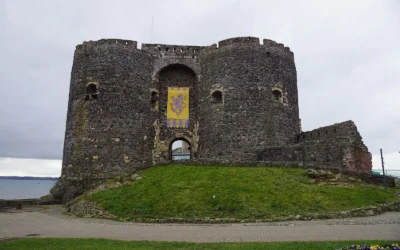
Carrickfergus Castle
Carrickfergus Castle: Ireland's Greatest Norman Fortress, Above Belfast Lough In 1315, Robert the Bruce's brother Edward invaded Ireland with an army and besieged Carrickfergus Castle. The siege went on so long, and provisions ran so completely dry, that the...
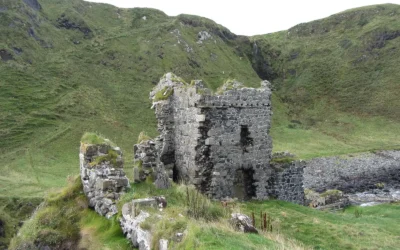
Kinbane Castle
Kinbane Castle: The White Head Castle at the End of 140 Steps, Above the Atlantic Kinbane means "white head" in Irish — Caisleán Ceinn Bán — and the name is immediately clear to anyone who looks at the limestone headland on which the castle stands: the cliff...
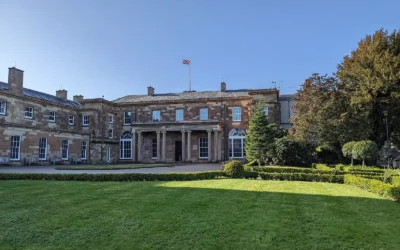
Hillsborough Castle
Hillsborough Castle: Where Northern Ireland's Peace Was Made, Twenty Minutes from Belfast In 1771, Wills Hill — the first Marquess of Downshire, one of the most powerful men in British colonial politics — received Benjamin Franklin at Hillsborough Castle. The...
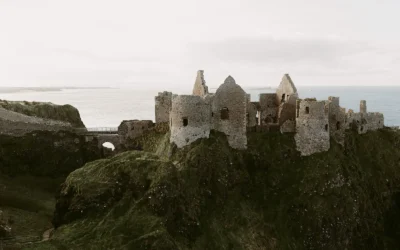
Dunluce Castle
Dunluce Castle: The Clifftop Ruin Where Game of Thrones Met Narnia, Above the Antrim Coast In 1588, a Spanish Armada ship called the Girona wrecked on the rocks near Dunluce Castle. The MacDonnell clan — who had controlled the castle since the 1550s — salvaged the...
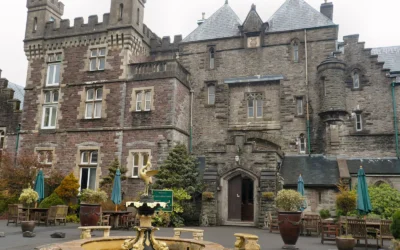
Craig y Nos Castle
Craig y Nos Castle: The Victorian Opera Star Who Built Her Own Theatre in the Brecon Beacons Adelina Patti was the most celebrated opera singer of the Victorian era — a soprano who commanded the largest fees in the world and whose voice filled La Scala in Milan,...