
Palace of Holyroodhouse
Palace of Holyroodhouse Edinburgh | Everything You Need to Know
At the foot of the Royal Mile, where the cobblestones end and the great volcanic bulk of Arthur’s Seat begins, stands Edinburgh’s most dramatic royal landmark. The Palace of Holyroodhouse is the official Scottish residence of the British monarch — a grand Baroque palace that has stood in this spot since the 16th century, and whose origins trace to a medieval abbey founded in 1128.
Here Mary, Queen of Scots, held court, witnessed a murder in her own apartments, and lived through the most turbulent years of Scottish history. Here Bonnie Prince Charlie strode through the State Apartments on his way to reclaim a crown. Here the ruined nave of Holyrood Abbey still stands open to the sky, roofless since the 18th century, a hauntingly beautiful relic of the building that gave the palace its name.
Today the palace is both a working royal residence — used by the King each year during Holyrood Week — and a richly rewarding visitor experience. Multimedia guides in ten languages are included with admission, the King’s Gallery houses rotating exhibitions from the Royal Collection, and the royal gardens offer a remarkable green space against the backdrop of the crags. This guide covers everything you need to know before you go.
Where Is the Palace of Holyroodhouse?
The Palace of Holyroodhouse is located at Canongate, Edinburgh, EH8 8DX, at the eastern end of the Royal Mile, directly opposite the Scottish Parliament Building. The dramatic backdrop of Arthur’s Seat and Holyrood Park rises immediately behind it.
It is the natural destination at the end of a walk down the Royal Mile from Edinburgh Castle. For navigation, any map app using the postcode EH8 8DX will bring you straight to the entrance.
Opening Hours
The palace is a working royal residence, and opening arrangements can change at short notice for state occasions.
- April to October: 9:30 AM – 6:00 PM (last admission 4:30 PM)
- November to March: 9:30 AM – 4:30 PM (last admission 3:15 PM)
The palace is typically closed on Tuesdays and Wednesdays, except during the summer season (approximately late May to early September), when it is usually open every day. As these arrangements can change for royal visits and state functions, always check the Royal Collection Trust website for the current schedule and any closures before booking.
How to Get to the Palace of Holyroodhouse
The palace is easy to reach from across Edinburgh.
By train. Waverley station is a ten-minute walk along the lower end of the Royal Mile, with direct services from London (four and a half to five and a half hours), Glasgow (one hour) and cities across Scotland.
By bus. Lothian Buses routes 35, 36 and 60 stop near the palace at Canongate or Holyrood.
By tram. Edinburgh Trams from the airport run to St Andrew Square, from which the palace is around a ten-minute walk through the Old Town.
On foot. From Edinburgh Castle, a twenty-to-thirty-minute walk along the Royal Mile is one of Edinburgh’s great experiences, passing the closes and landmarks of the historic Old Town all the way to the palace gates.
By car. There is no parking at the palace. Accessible spaces are available on Horse Wynd (first come, first served). Nearby pay-and-display car parks include Holyrood Road and St Mary’s Street. Edinburgh’s Low Emission Zone may apply for higher-emission vehicles; public transport is recommended.
Compare Transfers & Local Transport in Edinburgh →
The Best Time to Visit
For the quietest visit, come on a weekday morning — arriving as the palace opens is the calmest time of day. Weekends and summer months (June to August) attract the largest crowds, particularly during the Edinburgh Festival Fringe. Spring (March to May) and autumn (September to November) offer pleasant weather and fewer visitors, and the royal gardens are at their most beautiful in spring and early summer.
Evening visits in summer (when the palace closes at 6:00 PM) offer beautiful low light and noticeably thinner crowds in the final hour. The palace may occasionally close at short notice for royal visits — checking the official website before you travel is always worth it. The Royal Collection Trust also hosts exclusive evening tours and special events during the season.
Tickets and Costs
Entry requires a pre-booked ticket, available through the Royal Collection Trust. Ticket prices include a complimentary multimedia guide in your choice of ten languages.
| Ticket Type | Price | Notes |
|---|---|---|
| Adult | £18.50 | Includes multimedia guide |
| Child (5–17) | £9.50 | Under 5s free |
| Concession (student/senior) | £16.50 | Proof required |
| Family (2 adults + 3 children) | £46.50 |
Concession tickets must be booked through the Royal Collection Trust directly. The Royal Edinburgh Pass includes palace admission. As prices are reviewed periodically, check the official website for current rates before booking.
Check Tickets & Book in Advance →
What to Expect
A visit to the Palace of Holyroodhouse is an immersive journey through Scottish royal history, guided by the excellent complimentary multimedia guide.
The State Apartments are at the heart of the experience — grand rooms with magnificent Baroque plasterwork ceilings and walls hung with French and Flemish tapestries, used today for royal ceremonies and official entertaining. Mary, Queen of Scots’ Apartments are smaller, more intimate and far more charged with history: these are the 16th-century rooms where Mary held court, and where in March 1566 her secretary David Rizzio was dragged from her presence and stabbed 56 times by conspirators including her own husband, Lord Darnley. The spot is marked to this day.
Browse Edinburgh Royal Mile Tours →
The Holyrood Abbey ruins are one of the most atmospheric spots in Edinburgh — the roofless nave of the 12th-century Augustinian abbey, open to the sky and the crags beyond, a hauntingly beautiful end to the tour. The Great Gallery contains 110 portraits of Scottish monarchs, painted in the reign of Charles II, stretching from mythical antiquity to recent history. The King’s Gallery houses changing exhibitions drawn from the Royal Collection.
The royal gardens — beautifully maintained, historically used for jousting and today the setting for royal garden parties — are included in admission and well worth time. Facilities include a café, a gift shop and accessible restrooms. A typical visit lasts one to two hours, with the multimedia guide included.
Safety and Accessibility
Security. Airport-style security checks, including bag searches, are conducted on entry. Large bags (over 45cm × 20cm × 30cm) are not permitted — luggage storage is available at Waverley Station. Only guide, hearing and assistance dogs are allowed.
Accessibility. The palace is largely wheelchair-accessible, with ramps, lifts and free wheelchairs available. Accessible toilets, audio guides, Braille plans and hearing loops are provided. The tower is not accessible due to its spiral staircase. Contact the Royal Collection Trust in advance for specific accessibility needs.
Families. Strollers are permitted, and children under 5 enter free. The multimedia guide includes child-friendly content, and family activities are available during school holidays.
Where to Stay Near the Palace of Holyroodhouse
Staying near Holyroodhouse places you at the foot of Edinburgh’s Royal Mile — Arthur’s Seat and Holyrood Park immediately behind you, the full sweep of the Old Town and its landmarks stretching west to the Castle. A superb location for exploring Edinburgh’s historic heart.
A few areas worth considering:
- Canongate & Holyrood — the most immediate option, quiet and close to both the palace and the park, with a more local, residential feel than the upper Royal Mile.
- Old Town & Royal Mile — the heart of historic Edinburgh, with the Castle, the Minster and the Shambles of closes all close by.
- New Town & Princes Street — across Waverley Bridge, elegant and Georgian, with excellent transport links and a broad range of accommodation.
Edinburgh fills very quickly in August (the Fringe) and over Hogmanay — booking well ahead is essential for those periods.
Find Hotels Near the Palace of Holyroodhouse →
A Brief History of the Palace of Holyroodhouse
The palace takes its name — “Holyrood” meaning “Holy Cross” — from the abbey that preceded it. Holyrood Abbey was founded in 1128 by King David I of Scotland, who according to tradition was inspired by a vision of a stag bearing a luminous cross between its antlers during a hunting accident. The abbey became one of the great religious houses of medieval Scotland, and by the 15th century its guesthouse had grown into a royal residence preferred over Edinburgh Castle for its greater comfort.
James IV built the first formal palace in 1503 and James V added the great northwest tower in the 1530s — the tower that still anchors the palace’s façade today. It was in this tower that Mary, Queen of Scots resided from 1561 to 1567, during the turbulent years of her reign. The current Baroque palace was built between 1671 and 1678 for Charles II, following his restoration to the throne — a monarch who never actually visited it, but whose architects created one of the finest royal buildings in Britain.
A detail that sets the palace apart from every other royal residence: the ruins of the 12th-century abbey church stand within the palace grounds, roofless since the collapse of the nave ceiling in 1768, and open to visitors as part of every tour. Nowhere else in Britain can you stand among the crumbling columns of a medieval abbey and look up at a sky framed by volcanic crags — with a working royal palace at your back.
Nearby Attractions
The palace sits at the convergence of several of Edinburgh’s most rewarding sights.
| Attraction | Why Visit | Distance |
|---|---|---|
| Scottish Parliament Building | Award-winning modern architecture — free guided tours available | Adjacent |
| Holyrood Park & Arthur’s Seat | Edinburgh’s extinct volcano, one of Scotland’s great free hikes | ~10-min walk |
| The Royal Mile | Edinburgh’s historic spine, connecting the palace to the Castle | From the gates |
| Real Mary King’s Close | Preserved 17th-century underground street | ~15-min walk |
| Edinburgh Castle | Scotland’s most famous fortress, at the opposite end of the Royal Mile | ~20-min walk |
A natural day out: visit the palace in the morning, walk the Royal Mile stopping at the closes and St Giles’ Cathedral, and end the afternoon at Edinburgh Castle — the full length of the Old Town’s great historic street in one day.
See More of Scotland with a Sightseeing Pass →
Practical Tips for Your Visit
- Book in advance. Tickets are available through the Royal Collection Trust — booking online avoids queues, especially in summer.
- Check for closures. As a working palace, it can close at short notice for royal events. Always verify on the official website before travelling.
- Wear comfortable walking shoes. The palace, abbey ruins and gardens involve extensive walking, and the Royal Mile cobblestones demand sturdy footwear.
- Pack a compact travel umbrella. Edinburgh’s weather is famously changeable, and the gardens and abbey are exposed.
- Overseas visitor? The UK uses Type G plugs — a UK travel adapter is essential for charging your devices.
- Travel light. Large bags are not permitted on entry — leave luggage at Waverley Station.
- Allow time for the abbey ruins. Many visitors rush through them at the end of the tour; they deserve a longer pause.
- Photography is welcome for personal use throughout, though flash and tripods are restricted in some areas.
Frequently Asked Questions
What are the opening hours of the Palace of Holyroodhouse Edinburgh?
April to October: 9:30 AM to 6:00 PM (last admission 4:30 PM). November to March: 9:30 AM to 4:30 PM (last admission 3:15 PM). The palace is typically closed on Tuesdays and Wednesdays outside the summer season. Always check the Royal Collection Trust website for current hours and any closures due to royal visits.
How much does it cost to visit the Palace of Holyroodhouse Edinburgh?
Adult: £18.50, Child (5–17): £9.50, Concession: £16.50, Family (2 adults + 3 children): £46.50. Under-5s enter free. Prices include a multimedia guide; check the official website for current rates.
Is the Palace of Holyroodhouse suitable for children?
Yes — children under 5 enter free, the multimedia guide has child-friendly content, and the palace’s dramatic history engages older children. Strollers are permitted throughout.
Are there any discounts available for the Palace of Holyroodhouse Edinburgh?
Concession tickets for students and seniors are available through the Royal Collection Trust. The Royal Edinburgh Pass includes palace admission.
How long does a visit to the Palace of Holyroodhouse take?
A typical visit lasts one to two hours, including the multimedia guide tour. Allowing more time to explore the abbey ruins and gardens is recommended.
Is photography allowed at the Palace of Holyroodhouse Edinburgh?
Yes — personal photography is welcome throughout. Flash photography and tripods are restricted in some areas.
Are there guided tours available at the Palace of Holyroodhouse?
Complimentary multimedia guides in ten languages are included with every ticket. Guided warder tours are available for an additional fee during the summer season.
What’s the best way to get to the Palace of Holyroodhouse from Edinburgh city centre?
Walk twenty to thirty minutes along the Royal Mile from Edinburgh Castle, or take Lothian Buses (routes 35, 36 or 60) to Canongate.
Is the Palace of Holyroodhouse wheelchair accessible?
Yes — ramps, lifts and free wheelchairs are available. The tower is not accessible due to its spiral staircase. Contact the Royal Collection Trust in advance for specific needs.
Are there dining options near the Palace of Holyroodhouse Edinburgh?
An on-site café is open during visiting hours. The nearby Royal Mile and Canongate offer a wide range of cafés and restaurants within a short walk.
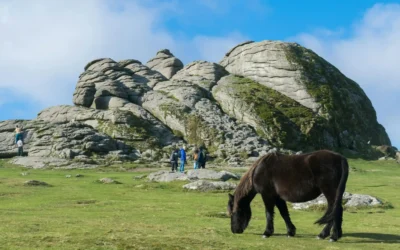
Dartmoor National Park
Dartmoor National Park | Everything You Need to Know In the heart of Devon, a landscape rises out of the surrounding farmland that feels genuinely ancient — a high, open plateau of granite moorland crossed by rushing rivers, dotted with strange rock formations and...
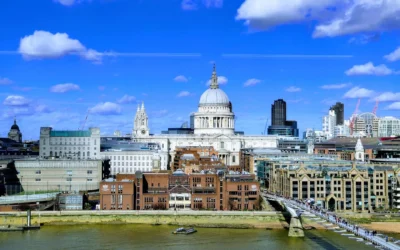
Tate Modern London
Tate Modern London | Everything You Need to Know On the south bank of the Thames, facing St Paul's Cathedral across the river, stands a former power station that was decommissioned in 1981 and reopened in 2000 as one of the most visited art museums in the world. Tate...
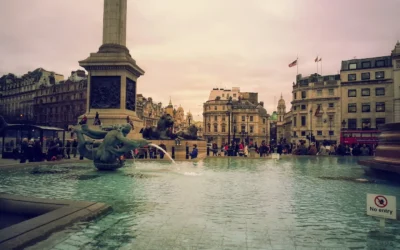
Trafalgar Square London
Trafalgar Square London | Everything You Need to Know At the centre of London — quite literally, since distances from the city have historically been measured from Charing Cross at its edge — there is a square that has been in continuous public life since the 1200s...
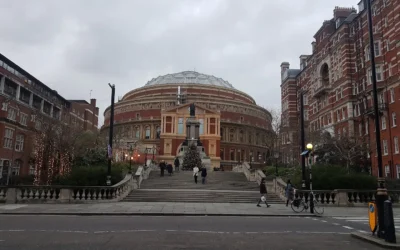
Science Museum London
Science Museum London | Everything You Need to Know In South Kensington, surrounded by some of the greatest museums in the world, there is a building that contains — among its 300,000 objects — a genuine Apollo 10 command module, one of the machines that took human...
Blenheim Palace
Blenheim Palace Oxfordshire | Everything You Need to Know In 1704, the Duke of Marlborough won a battle near the Bavarian village of Blindheim and changed the course of European history. A grateful nation gave him something extraordinary in return: a palace. Not a...