
Natural History Museum
Natural History Museum London | Everything You Need to Know
Walk through the doors of the Natural History Museum and the first thing that hits you is the scale — both of the building and of what it holds. Suspended above the grand Victorian entrance hall is Hope, the 25-metre skeleton of a blue whale, diving through the air as visitors crane their necks below. Beyond her lie over 80 million specimens spanning 4.5 billion years of life on Earth: a roaring animatronic T. rex, sparkling meteorites, towering dinosaur skeletons and gemstones that have travelled from the centre of the planet.
It is one of the world’s great museums, housed in a building so beautiful — Alfred Waterhouse’s cathedral-like Romanesque masterpiece — that it would be worth visiting even if it were empty. And the best part: entry is completely free. For families, science lovers, or anyone simply curious about the natural world, it’s one of the most rewarding days out in London. This guide covers everything you need to know before you go.
Where Is the Natural History Museum?
The Natural History Museum is located on Cromwell Road, South Kensington, London SW7 5BD. It sits at the heart of London’s “Museum Quarter,” within a short walk of both the Science Museum and the Victoria and Albert Museum — making it wonderfully easy to combine all three in a single visit. For navigation, any map app will bring you straight to the entrance.
Opening Hours
The museum keeps simple, consistent hours throughout the year:
- Daily: 10:00 AM – 5:50 PM (last entry 5:30 PM)
- Closed: 24–26 December
The museum also hosts special late-night openings, typically on the last Friday of each month, which offer a different atmosphere. As events and late openings vary, it’s worth checking the official website before you visit.
How to Get to the Natural History Museum
The museum is very well connected and easy to reach.
By Underground. South Kensington station (Piccadilly, District and Circle lines) is a five-minute walk to the Central or East Entrance. The station itself isn’t step-free, but a lift and the pedestrian subway tunnel provide step-free access to the Central Entrance. Gloucester Road station is an alternative, around a twelve-minute walk.
By bus. Several routes stop near the museum — the TfL journey planner will find the best option from your starting point.
By bike. Cycle racks are available on Exhibition Road, with Santander Cycles docking stations nearby on Exhibition Road and Thurloe Place.
By coach. There’s a drop-off point outside the main entrance on Cromwell Road.
By car. There’s no on-site parking and street parking is very limited, so public transport is strongly recommended. Limited Blue Badge spaces can be pre-booked by phone (access via Queen’s Gate, SW7 5HD), and additional Blue Badge bays are available on Exhibition Road, managed by the Royal Borough of Kensington and Chelsea.
Compare Transfers & Local Transport in London →
The Best Time to Visit
A little planning makes a real difference at a museum this popular. Weekday mornings, right when the doors open at 10:00 AM, are the quietest — ideal for seeing the headline galleries before the crowds arrive. The Dinosaurs gallery in particular gets very busy, so it’s the smart place to head first.
Weekends, school holidays and the summer months (June to August) are the busiest periods. Late afternoons tend to quieten down again. The monthly late-night openings on the last Friday of the month are a lovely way to experience the museum in a calmer, more atmospheric setting, though they’re popular in their own right. It’s also worth checking the official website for any temporary gallery closures before you plan your route.
Tickets and Costs
Entry to the Natural History Museum is free. While you can walk in, booking a free timed-entry ticket in advance through the official website is strongly recommended, particularly during peak periods — it significantly reduces waiting time at the entrance.
Some temporary exhibitions (special science or wildlife displays) require a separate paid ticket, with prices varying by exhibition. Membership is also available, offering priority access and discounts on exhibitions.
| Ticket Type | Price |
|---|---|
| General Admission | Free |
| Temporary Exhibitions | Varies |
| Membership | Check official site for current rates |
Donations are warmly welcomed and help keep this remarkable museum free and open to all.
What to Expect
A visit to the Natural History Museum is a journey through Earth’s past and present, with its 80 million-plus objects arranged across four colour-coded zones that make the vast building easy to navigate.
Blue Zone is home to the famous Dinosaurs gallery — complete with a roaring T. rex and a Triceratops skull — alongside the Mammals, Marine Invertebrates, and Fishes, Amphibians and Reptiles exhibits.
Green Zone houses Birds, Creepy Crawlies, and the Vault, where you’ll find rare treasures including the Winchcombe meteorite.
Red Zone explores the planet itself, with Volcanoes and Earthquakes, Human Evolution, and Earth’s Treasury — a dazzling collection of minerals and gemstones.
Orange Zone offers the Wildlife Garden and the Darwin Centre, home to millions of preserved specimens.
The undisputed star is Hintze Hall, where the blue whale skeleton named Hope hangs dramatically from the ceiling. Other unmissable sights include the Stegosaurus fossil in Earth Hall and the Images of Nature gallery, with over 100 stunning photographs. Throughout, you’ll find interactive displays, multilingual audio guides and family-friendly activities — from LEGO builds to dinosaur shows during school holidays.
Allow two to three hours for a standard visit, though you could easily spend a full day here. Facilities include accessible toilets, cafés, a restaurant and shops full of dinosaur-themed gifts. A museum map, available online or at the entrance, makes navigating the galleries straightforward.
Browse Guided Tours & Experiences →
Safety and Accessibility
Security. Staff are present at entrances and throughout the galleries, with security checks in place to ensure a safe, welcoming environment.
Accessibility. The museum is well equipped for visitors with access needs:
- Queue skipping — visitors with access needs, along with their carers or family, can skip queues by approaching staff.
- Wheelchair hire — free self-propelled or transit wheelchairs are available at the cloakrooms on Cromwell Road and Exhibition Road.
- Assistance dogs are welcome throughout (though not on Spirit Collection Tours).
- Quiet spaces — including the Contemplation Room — are available for prayer or quiet reflection, alongside calmer galleries such as Minerals.
- Audio descriptions are offered for Hintze Hall and other galleries, and hearing loops are installed at information desks and select galleries.
- Accessible events include early-morning autism-aware visits and British Sign Language tours.
Some areas have limited access due to the historic building’s stairs, but lifts are available throughout. Full details are on the museum’s access page.
Where to Stay Near the Natural History Museum
Staying in South Kensington places you in one of London’s most elegant and convenient areas — within walking distance of three world-class museums, Hyde Park and the Royal Albert Hall, and well connected to the rest of the city. It’s a calm, refined base, ideal for families and culture lovers alike.
A few neighbourhoods worth considering:
- South Kensington — the most convenient option, with the museum and its neighbours (the Science Museum and V&A) all on your doorstep, plus excellent dining and transport links.
- Kensington & Earl’s Court — a short walk or one stop away, with a good range of hotels at varying price points and a quieter, residential feel.
- Knightsbridge & Hyde Park — graceful and upmarket, within easy reach of the museum and bordering one of London’s great royal parks.
South Kensington is a popular area year-round, so booking ahead — especially for weekends and school holidays — is strongly recommended.
Find Hotels Near the Natural History Museum →
A Brief History of the Natural History Museum
The museum’s roots reach back to the collections of Sir Hans Sloane, whose specimens formed part of the original British Museum. As those natural history collections grew, it became clear they needed a home of their own — and in 1881, the Natural History Museum opened its doors on Cromwell Road.
The building itself is a masterpiece. Designed by the architect Alfred Waterhouse in a striking Romanesque style, its terracotta façade is decorated with carvings of plants and animals, living and extinct — a cathedral to the natural world. Over the years the museum expanded, incorporating the Geological Museum and, in 2009, adding the state-of-the-art Darwin Centre to house and protect its most valuable specimens.
Today the museum is an exempt charity and a non-departmental public body, welcoming millions of visitors each year.
A change that surprised many regulars: for decades, Hintze Hall was guarded by Dippy the Diplodocus, a beloved plaster-cast dinosaur. In 2017, Dippy was replaced by Hope, the real skeleton of a blue whale — and a new Diplodocus, Fern, now greets visitors out in the museum’s gardens.
Nearby Attractions
The museum’s South Kensington location makes it perfect for a full day of exploration, with several major attractions within a short walk.
| Attraction | Why Visit | Distance |
|---|---|---|
| Science Museum | Hands-on, interactive exhibits on science and technology — and also free | ~4-min walk |
| Victoria & Albert Museum | The world’s leading museum of art and design — free entry too | ~4-min walk |
| Royal Albert Hall | A historic venue for concerts and events | ~7-min walk |
| Hyde Park | One of London’s great royal parks, ideal for a walk or picnic | ~10-min walk |
A natural day out: start at the Natural History Museum, walk next door to the Science Museum or the V&A, then unwind with a stroll through Hyde Park — three of the world’s best museums and a royal park, all within a few minutes of each other.
See Multiple Attractions for Less with a London Pass →
Practical Tips for Your Visit
- Book a free ticket. Reserve a free timed-entry slot online to skip the longest queues, especially in peak season.
- Overseas visitor? The UK uses Type G plugs — a UK travel adapter is essential for charging your devices.
- Wear comfortable walking shoes. The galleries are vast and you’ll cover a lot of ground.
- Bring a reusable water bottle. Cafés are available, but a bottle and a few snacks save both time and money on a long visit.
- Head to the Dinosaurs gallery first. It’s the busiest — seeing it early means beating the crowds.
- Use the map. Download or pick one up to navigate the four zones efficiently.
- Photography is allowed in most areas, though some temporary exhibitions may have restrictions.
- Check for closures. Galleries occasionally close for maintenance — the official website lists current closures.
- Arrive at 10:00 AM. Opening time means quieter galleries and shorter lines.
Frequently Asked Questions
What are the opening hours of the Natural History Museum London?
The museum is open daily from 10:00 AM to 5:50 PM, with last entry at 5:30 PM. It is closed from 24–26 December. Late-night openings are held on the last Friday of most months. Check the official website for the latest schedule.
How much does it cost to visit the Natural History Museum London?
General admission is completely free, though booking a free timed-entry ticket in advance is recommended. Some temporary exhibitions require a separate paid ticket, with prices listed on the official website. Donations are welcomed.
Is the Natural History Museum suitable for children?
Absolutely — it’s one of London’s most family-friendly attractions, with interactive exhibits, the famous Dinosaurs gallery, and activities like LEGO builds and dinosaur shows during school holidays.
Are there any discounts available for the Natural History Museum London?
Since general entry is already free, no admission discounts apply. Membership offers added perks such as priority access and discounts on paid exhibitions.
How long does a visit to the Natural History Museum take?
A typical visit takes two to three hours, though you could easily spend a full day exploring all the galleries and any special exhibitions.
Is photography allowed at the Natural History Museum London?
Yes — photography is permitted in most areas. Some temporary exhibitions may have restrictions, so look out for signage.
Are there guided tours available at the Natural History Museum?
Yes — options include free self-guided audio tours and special tours such as British Sign Language and behind-the-scenes visits. Check the official website for current availability.
What’s the best way to get to the Natural History Museum from the city centre?
Take the Underground to South Kensington station (Piccadilly, District or Circle lines), a five-minute walk away. Several buses also stop nearby.
Is the Natural History Museum wheelchair accessible?
Yes — the museum offers free wheelchair hire, step-free access at the Central Entrance, accessible toilets and lifts. Some areas have limited access due to the historic building, but staff are on hand to help.
Are there dining options near the Natural History Museum London?
The museum has its own cafés and a restaurant. The surrounding South Kensington area also offers a wide range of dining, from casual eateries to upscale restaurants.
Big Ben
Big Ben London | Everything You Need to Know Few sounds are as instantly recognisable as the chimes of Big Ben, and few sights say "London" quite like the great clock tower rising above the Palace of Westminster. Officially the Elizabeth Tower, this Gothic Revival...
Arthurs Seat
Arthurs Seat Edinburgh | Everything You Need to Know Towering over Edinburgh from the heart of Holyrood Park, Arthur's Seat is the city's most extraordinary natural landmark — an extinct volcano rising 251 metres above the rooftops, with a summit that rewards every...
Covent Garden
Covent Garden London | Everything You Need to Know There's a particular kind of energy in Covent Garden that you feel the moment you arrive. Step into the cobbled Piazza and it hits you all at once — an opera singer's voice soaring over the crowd, a street magician...
St Pauls Cathedral
St Pauls Cathedral London | Everything You Need to Know Rising over the City of London from the summit of Ludgate Hill, St Paul's Cathedral is one of the most breathtaking buildings in Britain. Sir Christopher Wren's masterpiece has crowned the skyline for over 300...
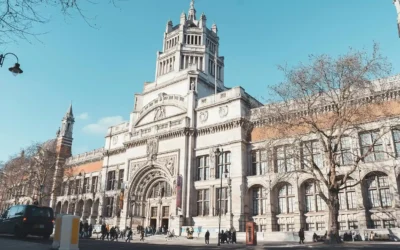
Victoria and Albert Museum
Victoria and Albert Museum London | Everything You Need to Know Step inside the Victoria and Albert Museum and you enter the world's greatest treasury of art, design and human creativity. Across 145 galleries lie over 2.8 million objects spanning 5,000 years —...