
Natural History Museum: Everything You Need to Know
Natural History Museum: Everything You Need to Know
Step into a world of wonder at the Natural History Museum in London, a global leader in scientific research and a beloved destination for visitors of all ages. Housing over 80 million specimens spanning 4.5 billion years, this iconic museum brings the story of life on Earth to life.
From the awe-inspiring dinosaur skeletons in the Blue Zone to the sparkling gems in the Vault, there’s something to captivate everyone. Set in a breathtaking Victorian building designed by Alfred Waterhouse, the museum offers free entry, making it an accessible must-visit for anyone exploring London’s cultural heart.
Location
The Natural History Museum is located at Cromwell Road, South Kensington, London SW7 5BD. Nestled in London’s “Museum Quarter,” it’s just a short walk from the Science Museum and the Victoria and Albert Museum, making it easy to combine with other attractions. Use apps like Google Maps for precise navigation to this central location.
Opening Hours
The museum is open daily from 10:00 AM to 5:50 PM, with last entry at 5:30 PM. It is closed from December 24 to 26. For the most up-to-date schedule, especially for special events or late openings (e.g., the last Friday of each month), check the official visit page.
How to Get There
The Natural History Museum is well-connected and easy to reach:
- By Tube: South Kensington station, served by the Piccadilly, District, and Circle lines, is a 5-minute walk to the Central or East Entrance. The station is not step-free, but a lift and pedestrian subway tunnel provide step-free access to the Central Entrance. Gloucester Road station (12-minute walk to Central Entrance, 7-minute to West Entrance) is another option.
- By Bus: Several bus routes stop near the museum. Visit Transport for London for specific routes and schedules.
- By Bicycle: Cycle racks are available on Exhibition Road, with Santander Cycles docking stations nearby on Exhibition Road and Thurloe Place. Check Santander Cycles for details.
- By Coach: A drop-off point is available outside the main entrance on Cromwell Road.
- By Car: No on-site parking is available, and street parking is limited. Public transport is highly recommended.
- Disabled Parking: Limited on-site Blue Badge spaces can be booked in advance by calling +44 (0)20 7942 5000 (access via Queen’s Gate, SW7 5HD). Additionally, 12 Blue Badge spaces are available on Exhibition Road, managed by the Royal Borough of Kensington and Chelsea, for up to 4 hours from 8:30 AM to 6:30 PM.
For real-time travel planning, use apps like TfL Go or Citymapper.
Best Time to Visit
For a quieter experience, visit on weekdays or early in the morning when the museum opens at 10:00 AM. Weekends, school holidays, and summer months (June to August) can be crowded, especially in popular areas like the Dinosaurs gallery. Late afternoons are also less busy. The museum hosts special events, such as late-night openings on the last Friday of each month, which may attract larger crowds but offer unique experiences. Check for any temporary gallery closures on the galleries page to plan your visit.
Tickets and Costs
Entry to the Natural History Museum is free, making it accessible to all. However, booking a free timed-entry ticket in advance via the official website is strongly recommended, especially during peak periods, to reduce wait times. Walk-in visitors are accommodated, but wait times may be longer during busy seasons. Some temporary exhibitions, such as special science or wildlife displays, may require a paid ticket, with prices varying. Check the what’s on page for details on paid events. Memberships (£62 for adults, £87 for families) offer benefits like priority access and discounts on exhibitions.
| Ticket Type | Price |
| General Admission | Free |
| Temporary Exhibitions | Varies |
| Adult Membership | £62 |
| Family Membership | £87 |
What to Expect
A visit to the Natural History Museum is a journey through Earth’s past and present, with over 80 million objects across four color-coded zones:
- Blue Zone: Features the Dinosaurs gallery with a roaring T. rex and Triceratops skull, plus Mammals, Marine Invertebrates, and Fishes, Amphibians, and Reptiles exhibits.
- Green Zone: Includes Birds, Creepy Crawlies, and the Vault, showcasing rare gems like the Winchcombe meteorite.
- Red Zone: Explores Earth’s evolution with Volcanoes and Earthquakes, Human Evolution, and Earth’s Treasury (minerals and gemstones).
- Orange Zone: Offers the Wildlife Garden and Darwin Centre, home to millions of preserved specimens.
The iconic Hintze Hall, with its massive blue whale skeleton named Hope, is a highlight, suspended dramatically from the ceiling. Other must-sees include the Earth Hall’s Stegosaurus fossil and the Images of Nature gallery with over 100 stunning images. The museum offers interactive displays, audio guides in multiple languages, and family-friendly activities like LEGO builds or dinosaur shows during school holidays.
Expect to spend 2-3 hours for a standard visit, though you could easily spend a full day exploring. Facilities include accessible toilets, cafes, a restaurant, and shops selling dinosaur-themed gifts. A museum map, available online or at the entrance, helps navigate the vast galleries.
Safety and Accessibility
The museum prioritizes a safe and inclusive environment:
- Safety Measures: Staff are present at entrances and throughout galleries, with security checks in place. The museum adheres to health and safety guidelines, ensuring a welcoming space.
- Accessibility:
- Queue Skipping: Visitors with access needs, along with their carers or family, can skip queues by approaching staff.
- Wheelchair Hire: Free self-propelled or transit wheelchairs are available at cloakrooms on Cromwell Road and Exhibition Road.
- Assistance Dogs: Welcome throughout, though not permitted on Spirit Collection Tours.
- Quiet Spaces: Available in galleries like Lasting Impressions, Minerals, and the Contemplation Room for prayer or reflection.
- Audio Descriptions: Offered for Hintze Hall, Gardens, and other galleries via SoundCloud.
- Hearing Loops: Installed at information desks and select galleries.
- Accessible Events: Include early morning visits for autism-aware experiences and British Sign Language tours (£35 for adults, £28 for members).
Some areas may have limited access due to the historic building’s stairs, but lifts are available. For full details, visit the access page.
History and Background
Founded in 1881, the Natural History Museum originated from the British Museum’s natural history collections, thanks to Sir Hans Sloane’s contributions. The iconic Romanesque building, designed by Alfred Waterhouse, opened to the public in 1881 and later incorporated the Geological Museum. The Darwin Centre, added in 2009, serves as a modern storage facility for valuable specimens.
Today, the museum is an exempt charity and a non-departmental public body under the Department for Culture, Media and Sport, with the Princess of Wales as its patron. Fun Fact: The blue whale skeleton, Hope, replaced the beloved Dippy the Diplodocus in Hintze Hall in 2017, while a new Diplodocus, Fern, now greets visitors in the museum’s gardens.
Nearby Attractions
The museum’s South Kensington location makes it ideal for a day of exploration:
- Science Museum (4-minute walk): Interactive exhibits on science and technology (Science Museum).
- Victoria and Albert Museum (4-minute walk): A treasure trove of art and design (V&A).
- Hyde Park (10-minute walk): A vast green space for walks or picnics (Hyde Park).
- Royal Albert Hall (7-minute walk): A historic venue for concerts and events (Royal Albert Hall).
Combine your visit with a trip to the Science Museum and a stroll through Hyde Park for a full day in South Kensington.
Practical Tips
To make the most of your visit:
- Book Tickets: Reserve a free timed-entry ticket online to avoid queues, especially during peak seasons.
- Wear Comfortable Shoes: The museum’s vast galleries require plenty of walking.
- Check Closures: Some galleries, like the Human Evolution Gallery (closed May 19-23, 2025), may be under maintenance. Verify on the galleries page.
- Use the Map: Download or pick up a museum map to navigate the zones efficiently.
- Bring Snacks: Cafes are available, but bringing water and snacks can save time.
- Photography: Allowed in most areas, but check for restrictions in temporary exhibitions.
- Audio Guides: Enhance your visit with free audio descriptions or paid themed tours.
- Arrive Early: Start at 10:00 AM to enjoy quieter galleries and shorter lines.
- Check Events: Look for special activities, like late-night openings or family events, on the what’s on page.
FAQs
What are the opening hours of the Natural History Museum?
The museum is open daily from 10:00 AM to 5:50 PM, with last entry at 5:30 PM. It’s closed December 24-26. Check the official website for updates.
How much does it cost to visit the Natural History Museum?
General admission is free. Booking a free timed-entry ticket is recommended. Some temporary exhibitions may require a paid ticket, with prices listed on the what’s on page.
Is the Natural History Museum suitable for children?
Yes, it’s highly family-friendly with interactive exhibits, dinosaur displays, and activities like LEGO builds or shows during school holidays.
Are there any discounts available for the Natural History Museum?
General entry is free, so discounts don’t apply. Members (£62 for adults, £87 for families) get priority access and exhibition discounts.
How long does it take to visit the Natural History Museum?
A typical visit takes 2-3 hours, but you could spend a full day exploring all galleries and special exhibits.
Is photography allowed at the Natural History Museum?
Photography is permitted in most areas, except in some temporary exhibitions where restrictions may apply.
Are there guided tours available at the Natural History Museum?
Yes, options include self-guided audio tours and special tours like British Sign Language or behind-the-scenes visits. Check the what’s on page for details.
What’s the best way to get to the Natural History Museum from the city center?
Take the Tube to South Kensington station (Piccadilly, District, or Circle lines), a 5-minute walk away, for the quickest route.
Is the Natural History Museum wheelchair accessible?
Yes, it offers wheelchair hire, step-free access at the Central Entrance, accessible toilets, and lifts. Some areas have limited access due to the historic building.
Are there dining options near the Natural History Museum?
The museum has cafes and a restaurant. South Kensington also offers numerous dining options, from casual eateries to upscale restaurants.
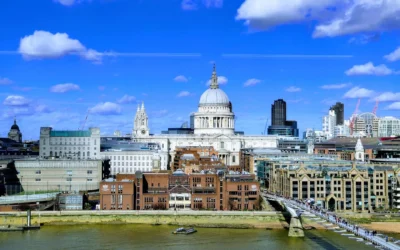
Tate Modern
Tate Modern | Everything You Need to Know Welcome to Tate Modern, a global powerhouse of modern and contemporary art that draws millions to London’s South Bank each year. Housed in the striking former Bankside Power Station, this iconic museum blends industrial...
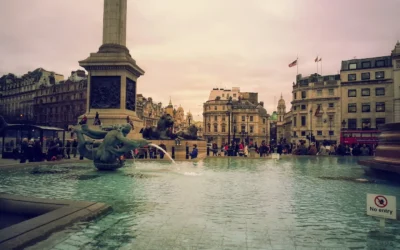
Trafalgar Square
Trafalgar Square | Everything You Need to Know Welcome to Trafalgar Square, one of London’s most iconic and historic landmarks! Nestled in the heart of the city, this public square is a must-visit for anyone exploring the UK’s capital. Named after the legendary Battle...
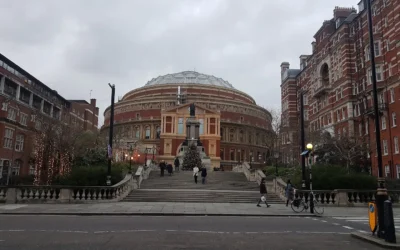
Science Museum
Science Museum: Everything You Need to Know Dive into the wonders of human ingenuity at the Science Museum, a world-renowned institution in London’s South Kensington dedicated to science, technology, engineering, and mathematics (STEM). Founded in 1857, this iconic...
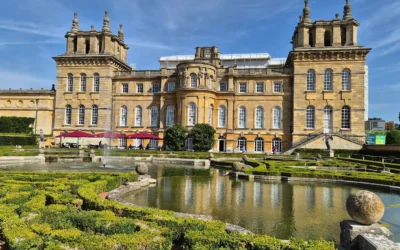
Blenheim Palace
Blenheim Palace | Everything You Need to Know Step into the grandeur of Blenheim Palace, a magnificent Baroque masterpiece in Woodstock, Oxfordshire, England. As the ancestral home of the Dukes of Marlborough and the birthplace of Sir Winston Churchill, this UNESCO...
Hampton Court Palace
Hampton Court Palace: Everything You Need to Know Step into the grandeur of Hampton Court Palace, a magnificent royal residence that has stood for over 500 years on the banks of the River Thames in East Molesey, Surrey. Originally built in 1514 for Cardinal Thomas...