
Kelvingrove Art Gallery and Museum Glasgow
Kelvingrove Art Gallery and Museum Glasgow | Everything You Need to Know
In the heart of Glasgow’s handsome West End, beside the River Kelvin and at the edge of its own park, a vast Spanish Baroque palace of terracotta and sandstone rises above the trees. Kelvingrove Art Gallery and Museum opened in 1901, and the building alone would justify a visit — but step inside and you find something truly extraordinary: over 8,000 objects spread across 22 richly varied galleries, from a Dalí masterpiece to a Spitfire fighter plane suspended from the ceiling, from a Tyrannosaurus rex model to the mummified remains of the Sarcophagus of Pa-ba-sa, created around 656 BC.
Entry is completely free. Kelvingrove is Scotland’s most visited free attraction and the UK’s most visited museum outside London — and it’s genuinely deserving of both titles. For art lovers, natural history enthusiasts, families and anyone with an hour to spare in Glasgow, it’s an unmissable experience. This guide covers everything you need to know before you go.
Where Is Kelvingrove Museum?
Kelvingrove Art Gallery and Museum is located at Argyle Street, Glasgow G3 8AG, in the city’s West End, set within Kelvingrove Park. Its grand entrance faces the park rather than the street — a detail that has inspired the persistent (and false) urban myth that the building was built back-to-front.
Nearby landmarks include the University of Glasgow, the Hunterian Museum and the Glasgow Botanic Gardens. For navigation, enter the postcode G3 8AG into any map app.
Opening Hours
The museum is open daily, though Friday and Sunday have a later opening time:
- Monday, Wednesday, Thursday, Saturday: 10:00 AM – 5:00 PM
- Tuesday: 10:00 AM – 5:00 PM
- Friday and Sunday: 11:00 AM – 5:00 PM
Hours may vary for special events and public holidays. As Glasgow Life occasionally updates the schedule, it’s always worth checking the official website before visiting.
How to Get to Kelvingrove Museum
Glasgow’s West End is well connected, and the museum is easy to reach.
By Underground. Kelvinhall Subway station is just half a mile away — a five-to-ten-minute walk that takes you through the pleasant West End streets.
By train. Partick, Charing Cross and Exhibition Centre stations are all around a mile away. Trains to Partick and Exhibition Centre run from Glasgow Central; Partick and Charing Cross are also served from Glasgow Queen Street.
By bus. Regular bus services stop on Argyle Street right in front of the museum.
By bike. Glasgow’s Next Bike hire scheme has stations nearby, with cycle shelters next to Kelvin Hall.
By car. The museum has a car park with 142 spaces (including spaces for blue badge holders and two electric vehicle charging points). Parking costs from £3 for the first hour up to £10 for three to ten hours, payable by coin or the RingGo app.
Compare Transfers & Local Transport in Glasgow →
The Best Time to Visit
As Scotland’s most popular free museum, Kelvingrove does get busy — but smart timing makes a real difference. Weekdays outside school holidays are the quietest, especially mid-morning (arriving at opening time) or later afternoon (after 3:00 PM). Summer, weekends and school holidays attract the largest crowds.
Glasgow’s famously wet weather makes Kelvingrove an excellent choice on a rainy day — though spring and autumn, if you plan to combine the visit with a walk in Kelvingrove Park, offer the most pleasant outdoor conditions. The museum hosts regular organ recitals (typically at 1:00 PM on weekdays, 3:00 PM on Sundays) and a programme of temporary exhibitions and events — check the Glasgow Life events page before your visit.
Tickets and Costs
Admission to Kelvingrove Art Gallery and Museum is completely free. Voluntary donations are welcomed and can be made at the museum or online.
| Item | Cost |
|---|---|
| General Admission | Free |
| Voluntary Donation | Optional |
| Special Events/Exhibitions | Varies (check website) |
| Parking (1 hour) | £3.00 |
| Parking (3–10 hours) | £10.00 |
Some special exhibitions and events may carry a fee — check the Glasgow Life website for current details.
What to Expect
Kelvingrove’s 22 themed galleries are divided broadly into Life (natural and human history) and Expression (fine art), spread across both floors of the building.
The fine art collection is exceptional by any standard. Salvador Dalí’s Christ of St John of the Cross — purchased by Glasgow Corporation in 1952 for what was then a controversial £8,200, now worth many multiples of that — hangs at the heart of the art galleries and draws visitors from across the world. It’s accompanied by Rembrandt’s Man in Armour, works by Monet and Gauguin, and a magnificent collection of the Scottish Colourists — Peploe, Hunter, Cadell and Fergusson — who brought post-Impressionism to Scotland in the early 20th century.
Browse Glasgow Tours & Experiences →
The natural history galleries are home to Sir Roger the Asian elephant (a beloved Victorian specimen), a full-scale Tyrannosaurus rex model and Egyptian artefacts including the extraordinary sarcophagus of Pa-ba-sa. And in the soaring west court, suspended from the ceiling, hangs a Spitfire MkXVIe — the juxtaposition of a WWII fighter plane in a Victorian art gallery is quintessentially Glasgow, utterly unexpected and genuinely thrilling.
The museum’s architecture deserves attention in its own right — the Grand Halls, the stained-glass windows and the Spanish Baroque ornamentation are magnificent. Free audio guides are available via the Glasgow Life app. The museum also hosts regular interactive sessions for families, and facilities include a restaurant, café, gift shop, accessible restrooms and water refill stations.
A typical visit lasts two to three hours, though art enthusiasts and families may easily spend a full day.
Safety and Accessibility
Safety. Security staff are present throughout, and standard safety measures are in place. Take care on some of the older uneven surfaces in historic areas of the building.
Accessibility. The museum is largely accessible, with ramps, lifts and accessible restrooms throughout. Wheelchairs are available on a first-come, first-served basis. Detailed accessibility information is available through the AccessAble guide, and some areas in the older parts of the building may present challenges for mobility scooters.
Families. Kelvingrove is thoughtfully designed for families, with interactive exhibits, stroller access and facilities including high chairs and bottle-warming stations.
Where to Stay Near Kelvingrove Museum
Glasgow’s West End is one of the most enjoyable parts of the city to stay in — a neighbourhood of Victorian terraces, independent cafés, the University of Glasgow and Kelvingrove Park on the doorstep. It’s calmer and more residential than the city centre, yet well connected.
A few areas worth considering:
- West End & Kelvingrove — the most immediate option, within walking distance of the museum, the Park and the Botanic Gardens. Charming Victorian streets and great independent dining.
- Glasgow City Centre — around 1.5 miles east, with a broader range of accommodation and excellent transport links to the West End.
- Finnieston & Clydeside — just south of the West End, one of Glasgow’s most fashionable neighbourhoods, with excellent cafés and restaurants along the Clyde.
Glasgow is a popular destination year-round — booking ahead is recommended, particularly during summer and major events.
Find Hotels Near Kelvingrove Museum →
A Brief History of Kelvingrove Museum
Kelvingrove Art Gallery and Museum was built for the Glasgow International Exhibition of 1901, designed by Sir John W. Simpson and E.J. Milner Allen in the Spanish Baroque style that gives the building its distinctive terracotta warmth and ornate grandeur. The choice to face the entrance towards Kelvingrove Park rather than the street was deliberate — designed to greet visitors arriving from the exhibition grounds — but has inspired the affectionate Glasgow myth that the building was constructed back-to-front by mistake.
The collections grew significantly through the 20th century. A major £27 million refurbishment from 2003 to 2006 reorganised the galleries into the Life and Expression themes still in place today, opening to enormous public acclaim. The museum receives no central government funding and relies on visitor donations and Glasgow Life’s cultural mission.
The story of the Dalí: when Glasgow Corporation paid £8,200 for the Christ of St John of the Cross in 1952, it caused a public outcry — letters were written to newspapers, protests were staged. Today it is one of the most recognised religious paintings of the 20th century, and one of the defining works in any British museum collection. Glasgow’s controversial gamble paid off entirely.
Nearby Attractions
Glasgow’s West End is one of Scotland’s richest cultural areas, with several excellent attractions close to Kelvingrove.
| Attraction | Why Visit | Distance |
|---|---|---|
| Kelvingrove Park | The museum’s own park — walking paths, playground and bandstand | On the doorstep |
| Hunterian Museum & Art Gallery | University of Glasgow’s world-class art and science collections | ~10-min walk |
| Glasgow Botanic Gardens | Stunning Victorian glasshouses including the Kibble Palace — free entry | ~15-min walk |
| Riverside Museum | Glasgow’s award-winning transport museum, with a tall ship moored outside | ~10-min drive |
| Mackintosh at the Willow | Restored Charles Rennie Mackintosh tearoom, a Glasgow Art Nouveau landmark | ~25-min walk |
A natural day out: Kelvingrove in the morning, lunch in the West End, then Kelvingrove Park in the afternoon — or combine with the Hunterian for a full cultural day.
Explore Glasgow with a Sightseeing Pass →
Practical Tips for Your Visit
- Arrive early or late. The museum is busiest mid-morning at weekends — come at opening time or after 3:00 PM for the calmest experience.
- Wear comfortable walking shoes. The galleries are extensive and the floors are hard — comfortable footwear makes a real difference.
- Pack a compact travel umbrella. Glasgow’s weather is famously wet, and you’ll likely be exploring the West End too.
- Overseas visitor? The UK uses Type G plugs — a UK travel adapter is essential for charging your devices.
- Download the Glasgow Life app. Free audio guides in multiple languages are available and add real depth to the experience.
- Attend an organ recital if timing allows — a free, atmospheric experience in the Grand Hall.
- Photography is permitted for personal use throughout. Flash may be restricted in some galleries.
Frequently Asked Questions
What are the opening hours of Kelvingrove Museum Glasgow?
Monday, Wednesday, Thursday and Saturday: 10:00 AM to 5:00 PM. Friday and Sunday: 11:00 AM to 5:00 PM. Hours may vary for events and public holidays — check the Glasgow Life website for the latest schedule.
How much does it cost to visit Kelvingrove Museum Glasgow?
General admission is completely free. Voluntary donations are welcome. Some special exhibitions and events may carry a charge — check the Glasgow Life website for details.
Is Kelvingrove Museum suitable for children?
Yes — it’s highly family-friendly, with interactive exhibits, stroller access and facilities including high chairs. The natural history galleries and the suspended Spitfire are particularly popular with children.
Are there any discounts available for Kelvingrove Museum Glasgow?
Since general entry is free, no discounts are needed. Some special events may have fees with concessions available.
How long does a visit to Kelvingrove Museum take?
A typical visit lasts two to three hours. Art enthusiasts and families exploring all 22 galleries may easily spend a full day.
Is photography allowed at Kelvingrove Museum Glasgow?
Yes — personal photography is welcome throughout. Flash photography may be restricted in some galleries.
Are there guided tours available at Kelvingrove Museum Glasgow?
Free audio guides are available via the Glasgow Life app. The museum also hosts regular gallery talks and events — check the Glasgow Life events page for details.
What’s the best way to get to Kelvingrove Museum from Glasgow city centre?
Take the Subway to Kelvinhall station (half a mile away, five-to-ten-minute walk), take a bus to Argyle Street, or walk around 1.5 miles from the city centre.
Is Kelvingrove Museum wheelchair accessible?
Yes — most areas have ramps, lifts and accessible restrooms, with wheelchairs available. Some historic areas may present challenges for mobility scooters. Detailed accessibility information is available via AccessAble.
Are there dining options near Kelvingrove Museum Glasgow?
Yes — the museum has an on-site restaurant and café. The surrounding West End offers an excellent range of independent cafés and restaurants within a short walk.
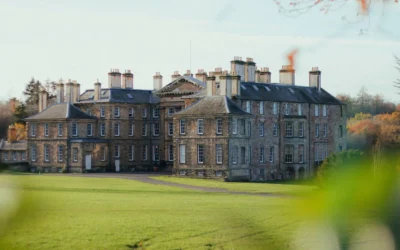
Palace of Holyroodhouse
Palace of Holyroodhouse Edinburgh | Everything You Need to Know At the foot of the Royal Mile, where the cobblestones end and the great volcanic bulk of Arthur's Seat begins, stands Edinburgh's most dramatic royal landmark. The Palace of Holyroodhouse is the official...
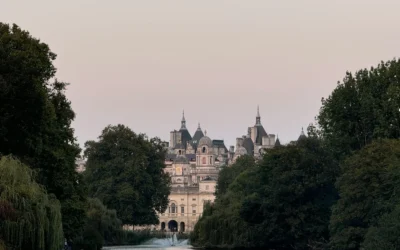
St James’s Park London
St James's Park London | Everything You Need to Know Turn a corner off Whitehall or The Mall and the noise of central London falls away. St James's Park is 57 acres of water, wildfowl and green calm at the absolute heart of the capital — the oldest of London's eight...
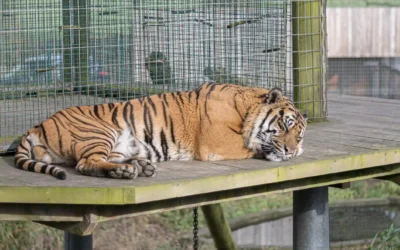
Chester Zoo
Chester Zoo | Everything You Need to Know In the rolling Cheshire countryside, not far from the ancient city of Chester, stands one of the most extraordinary wildlife destinations in the world. Chester Zoo is the UK's most visited zoo — 128 acres of immersive,...
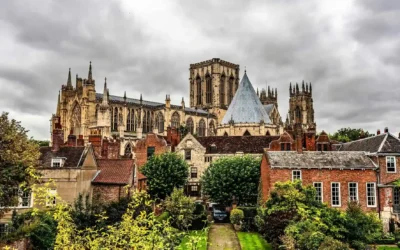
York Minster
York Minster | Everything You Need to Know Rise above the rooftops of York and the great towers of the Minster dominate the skyline — a landmark so vast and so beautiful that it feels less like a building and more like a statement. York Minster is the largest Gothic...
Royal Albert Dock Liverpool
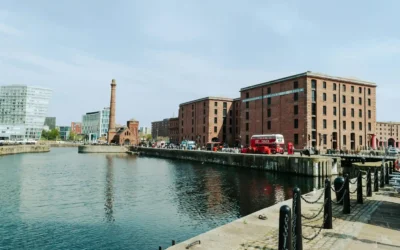
Royal Albert Dock Liverpool | Everything You Need to Know Stand at the edge of Liverpool's famous waterfront and look across the Royal Albert Dock — a vast, perfectly preserved ring of Victorian warehouse buildings reflected in the still water of the old dock basin,...