
Hyde Park London
Hyde Park London | Everything You Need to Know
In the middle of one of the world’s most frenetic cities lies 350 acres of open sky, green grass and shimmering water. Hyde Park is London’s great breathing space — a Royal Park that has served Londoners since Henry VIII hunted deer here in 1536, and today offers a remarkable range of experiences that no other park quite matches. Rowboats on the Serpentine, the famous Rose Garden in bloom, the open-air arena of Speakers’ Corner where anyone may take the floor — and across the water, the elegant curve of the Diana Memorial Fountain gleaming in the sun.
It is free, it is open around the clock and it sits in the very heart of the capital, within walking distance of Kensington Palace, Buckingham Palace and the shops of Knightsbridge. Whether you come to walk, to row, to people-watch, to catch a concert or simply to find a little calm in the chaos, Hyde Park delivers. This guide covers everything you need to know before you go.
Where Is Hyde Park?
Hyde Park occupies a generous slice of central London in the borough of Westminster, bordered by Mayfair to the east and Kensington Gardens to the west. The main entrances are at Hyde Park Corner (postcode W1J 7JY), Marble Arch and Lancaster Gate.
Nearby landmarks include Kensington Palace, Buckingham Palace and Knightsbridge. For navigation, any map app will bring you to whichever entrance suits your route.
Opening Hours
Hyde Park is a public Royal Park, open every day of the year around the clock — there are no gates and no closing time for the park itself. Individual facilities, however, keep their own hours:
- Serpentine Lido: typically open May to September, 10:00 AM – 6:00 PM (weather-dependent)
- Cafés and restaurants: typically 8:00 AM – 6:00 PM, extending later during events
- Hyde Park Tennis and Sports Centre: generally 8:00 AM – 10:00 PM, subject to bookings
As facility hours change seasonally and for special events, it’s worth checking the Royal Parks website for the latest schedule before planning a specific activity.
How to Get to Hyde Park
Hyde Park’s central location means it’s easy to reach from almost anywhere in London.
By Underground. Three stations sit at the park’s edges: Hyde Park Corner (Piccadilly, Victoria and Jubilee lines, two-minute walk), Marble Arch (Central line, five minutes) and Lancaster Gate (Central line, five minutes).
By bus. Dozens of routes serve the park, including the 2, 6, 7, 10, 13, 16, 23, 36, 52, 73, 74, 94 and 137. The TfL journey planner will find the best option.
By rail. Paddington station is around a fifteen-minute walk, and Marylebone station around twenty, both with national rail connections.
By bike. Santander Cycles docking stations are near Hyde Park Corner and Marble Arch, and dedicated cycling paths run through the park.
On foot. From Trafalgar Square, it’s a lovely fifteen-to-twenty-minute walk via Green Park, passing Buckingham Palace.
By car. Parking is available at nearby car parks such as NCP London Hyde Park and Q-Park Marble Arch, though spaces are limited and rates are high (around £6–£10 per hour). Public transport is recommended, particularly given London’s ULEZ charges.
Compare Transfers & Local Transport in London →
The Best Time to Visit
Hyde Park changes beautifully through the seasons, each offering something different.
Spring (March to May) brings cherry blossom and vivid spring flowers — wonderful for photography and simply wandering. Summer (June to August) is peak season: perfect for boating on the Serpentine, swimming at the Lido and the park’s big outdoor concerts. Autumn (September to November) delivers golden foliage and noticeably quieter paths as tourist numbers fall. Winter (December to February) brings Hyde Park’s famous seasonal festival — ice skating, Christmas lights and winter markets in a festive atmosphere.
For fewer crowds whatever the season, weekdays and early mornings are the calmest. Summer weekends see the largest crowds, especially during events. As an open-air park, it’s worth keeping an eye on the weather forecast.
Tickets and Costs
Entry to Hyde Park is completely free — no ticket is needed to visit the park. Certain activities and facilities carry their own charges:
| Activity | Cost | Notes |
|---|---|---|
| General entry | Free | Open 24/7 |
| Boating on the Serpentine | £10–£12/hour (adults) | April–October, book on-site |
| Serpentine Lido | £5–£10 (adults), £2–£4 (children) | May–September, weather-dependent |
| Tennis / sports facilities | £8–£15/hour | Book via Royal Parks |
| Events and concerts | Varies (£20–£100+) | Check Royal Parks events page |
No advance booking is needed for general access, though event tickets and facility reservations should be booked online where applicable.
What to Expect
Hyde Park offers a remarkable range of things to see and do across its 350 acres.
The Serpentine is the park’s shimmering centrepiece — a large lake formed in 1730 by damming the Westbourne River. You can hire rowboats and pedalos (April to October), swim at the Serpentine Lido (home to Britain’s oldest swimming club) or simply walk the banks watching swans and herons.
Speakers’ Corner, near Marble Arch, is one of the world’s most celebrated symbols of free expression — an open-air forum where anyone may stand up and speak their mind. Karl Marx, George Orwell and many others have addressed crowds here. It’s most lively on Sunday mornings.
The Diana Memorial Fountain is a tranquil, beautifully crafted monument made of 545 pieces of Cornish granite, where water flows gently around an oval ring. It’s a calming, reflective spot at any time of year. The Rose Garden nearby is a quietly stunning space with over 4,000 roses in bloom through the summer.
Browse Hyde Park & London Tours →
Sports facilities include tennis courts, football pitches and a running track at the Hyde Park Tennis and Sports Centre, and horse riding is available along historic Rotten Row. Family spaces, playgrounds and the wide open lawns make it endlessly popular with children. Facilities include restrooms, accessible toilets and a range of cafés — including the Serpentine Bar and Kitchen beside the lake and the elegant Apsley Restaurant near Hyde Park Corner — alongside ample grassy space for a picnic.
A typical visit lasts two to four hours, though an afternoon with a rowing boat or an evening concert can easily fill a whole day.
Safety and Accessibility
Safety. Hyde Park is generally very safe, with security patrols and CCTV in use. Be mindful of personal belongings in crowded areas, especially during large events. The park is well lit, but take sensible precautions in quieter sections after dark.
Accessibility. Most paths are paved and suitable for wheelchairs and strollers, though some grassy and gravel areas can be uneven. Accessible toilets are available near major entrances. For specific needs, the Royal Parks website offers full accessibility information and contact details.
Families. Hyde Park is wonderfully family-friendly, with playgrounds, wide open spaces and family-oriented events throughout the year. The adjacent Diana, Princess of Wales Memorial Playground in Kensington Gardens is a favourite for younger visitors.
Where to Stay Near Hyde Park
Staying near Hyde Park places you in one of London’s most enviable locations — beside the park, within walking distance of Kensington Palace, Buckingham Palace and the shops of Knightsbridge, and well connected to the rest of the city. The surrounding neighbourhoods are among London’s most elegant.
A few areas worth considering:
- Knightsbridge & Hyde Park Corner — the most immediate option, with the park on your doorstep and Hyde Park Corner station nearby. Upmarket, central and beautifully situated.
- Bayswater & Notting Hill — a short walk or one stop north, with Queensway’s independent cafés and restaurants, and the vibrant colour of Notting Hill close by.
- Kensington & South Kensington — just to the south, within easy reach of the park, the V&A and the Natural History Museum.
Central London accommodation fills quickly in summer and around major events, so booking ahead — especially for weekends — is strongly recommended.
A Brief History of Hyde Park
Hyde Park began as royal hunting ground. In 1536, Henry VIII seized the land from the monks of Westminster Abbey and enclosed it as a private deer park. It was opened to the public in 1637, quickly becoming a fashionable gathering place for Londoners — the venue for May Day parades, horse races, duels and some of the most celebrated protests in English history.
Its most dramatic moment came in 1851, when the park hosted the Great Exhibition, a landmark celebration of global culture and technology housed in the magnificent Crystal Palace — a vast iron and glass structure designed by Joseph Paxton, later moved and eventually destroyed by fire. The Serpentine lake was created in 1730, and Speakers’ Corner — first used in 1872 — went on to inspire free-speech zones around the world.
A couple of lasting quirks: the park’s name lives on in New York’s Hyde Park (home of Franklin D. Roosevelt) and in Hyde Parks across Australia, Canada and South Africa — Henry VIII’s hunting ground became a global template for urban green space.
Nearby Attractions
Hyde Park’s central position puts some of London’s finest sights within easy reach.
| Attraction | Why Visit | Distance |
|---|---|---|
| Kensington Gardens | The adjacent royal park, with Kensington Palace and the Diana Memorial Playground | Adjoining |
| Buckingham Palace | The monarch’s official London residence and the Changing of the Guard | ~10-min walk |
| Natural History Museum | Free entry, dinosaur fossils and the famous blue whale — world class | ~20-min walk |
| V&A Museum | The world’s greatest museum of art and design, also free | ~20-min walk |
A natural day out: stroll through Hyde Park, cross into Kensington Gardens to visit Kensington Palace, then walk south to spend the afternoon at the Natural History Museum or the V&A — three remarkable free attractions, all within a pleasant walk.
See Multiple Attractions for Less with a London Pass →
Practical Tips for Your Visit
- Wear comfortable walking shoes. At 350 acres, you’ll cover plenty of ground.
- Bring a picnic. The open lawns are perfect for it — just bring a blanket and enjoy.
- Pack a compact travel umbrella. The park is open to London’s famously unpredictable weather.
- Overseas visitor? The UK uses Type G plugs — a UK travel adapter is essential for charging your devices.
- Check event schedules. Hyde Park hosts major concerts and seasonal events throughout the year — check the Royal Parks website ahead of your visit.
- Photography is permitted for personal use. Professional shoots may require a permit.
- Respect the park. Dispose of litter responsibly, stick to cycling paths, and avoid disturbing the wildlife.
- Come on a Sunday morning to catch Speakers’ Corner at its liveliest.
Frequently Asked Questions
What are the opening hours of Hyde Park London?
Hyde Park is open 24 hours a day, every day of the year, as a public Royal Park. Individual facilities such as the Serpentine Lido (May–September) and the tennis centre have their own hours — check the Royal Parks website for current times.
How much does it cost to visit Hyde Park London?
Entry to the park is completely free. Activities such as boating (£10–£12/hour) and the Serpentine Lido (£5–£10 for adults) carry separate charges, as do events and facility bookings.
Is Hyde Park suitable for children?
Yes — it’s wonderfully family-friendly, with playgrounds, wide open spaces and the beloved Diana, Princess of Wales Memorial Playground in adjacent Kensington Gardens. Family events take place throughout the year.
Are there any discounts available for Hyde Park London?
Since entry is free, no admission discounts apply. Some events and activities may offer concessions — check the Royal Parks events page for details.
How long does a visit to Hyde Park take?
A typical visit lasts two to four hours, though a full afternoon’s boating or an evening concert can easily fill a whole day.
Is photography allowed in Hyde Park London?
Yes — personal photography is permitted throughout. Professional photography and filming may require a permit from the Royal Parks.
Are there guided tours available at Hyde Park?
Yes — walking and cycling tours are available through various providers, covering the park’s history, landmarks and hidden corners.
What’s the best way to get to Hyde Park from the city centre?
Take the Underground to Hyde Park Corner, Marble Arch or Lancaster Gate — all on the park’s edge. It’s also a pleasant fifteen-to-twenty-minute walk from Trafalgar Square via Green Park.
Is Hyde Park wheelchair accessible?
Yes — most paths are paved and suitable for wheelchairs, with accessible toilets near major entrances. Some grassy and gravel areas may be uneven. The Royal Parks website has full accessibility details.
Are there dining options in Hyde Park London?
Yes — the park has several cafés and restaurants, including the Serpentine Bar and Kitchen by the lake and the Apsley Restaurant near Hyde Park Corner, as well as seasonal food stalls. Picnicking on the lawns is also a beloved tradition.

Arthurs Seat
Arthurs Seat Edinburgh | Everything You Need to Know Towering over Edinburgh from the heart of Holyrood Park, Arthur's Seat is the city's most extraordinary natural landmark — an extinct volcano rising 251 metres above the rooftops, with a summit that rewards every...
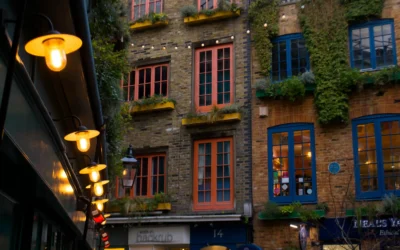
Covent Garden
Covent Garden London | Everything You Need to Know There's a particular kind of energy in Covent Garden that you feel the moment you arrive. Step into the cobbled Piazza and it hits you all at once — an opera singer's voice soaring over the crowd, a street magician...
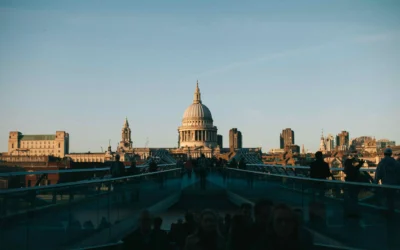
St Pauls Cathedral
St Pauls Cathedral London | Everything You Need to Know Rising over the City of London from the summit of Ludgate Hill, St Paul's Cathedral is one of the most breathtaking buildings in Britain. Sir Christopher Wren's masterpiece has crowned the skyline for over 300...
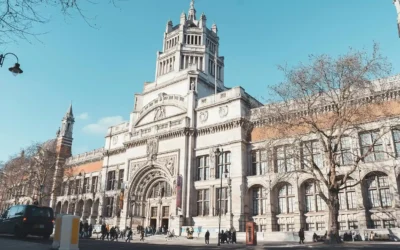
Victoria and Albert Museum
Victoria and Albert Museum London | Everything You Need to Know Step inside the Victoria and Albert Museum and you enter the world's greatest treasury of art, design and human creativity. Across 145 galleries lie over 2.8 million objects spanning 5,000 years —...

The Real Mary Kings Close
The Real Mary Kings Close Edinburgh | Everything You Need to Know Beneath the bustle of Edinburgh's Royal Mile, hidden under the City Chambers, lies a street that time forgot. The Real Mary King's Close is a warren of narrow alleyways and cramped 17th-century homes —...