
Arthurs Seat
Arthurs Seat Edinburgh | Everything You Need to Know
Towering over Edinburgh from the heart of Holyrood Park, Arthur’s Seat is the city’s most extraordinary natural landmark — an extinct volcano rising 251 metres above the rooftops, with a summit that rewards every step of the climb. From the top, the whole of Edinburgh unfurls beneath you: the Castle on its crag, the Royal Mile threading through the Old Town, the glittering Firth of Forth and, on a clear day, the distant North Sea. It’s a genuine mountain experience, yet it sits barely a mile from the city centre.
Steeped in legend — linked variously to King Arthur, a sleeping dragon and ancient hill forts — Arthur’s Seat is part rugged wilderness, part history lesson, part the finest free viewpoint in Scotland. Whether you’re a keen hiker, a curious wanderer or simply after the best panorama in Edinburgh, the climb is unforgettable. This guide covers everything you need to know before you go.
Where Is Arthur’s Seat?
Arthur’s Seat sits within Holyrood Park, just east of Edinburgh’s city centre, beside the Palace of Holyroodhouse at the far end of the Royal Mile. The park’s approximate address is Queen’s Drive, Edinburgh, EH8 8HG, with the main trailheads near the Scottish Parliament and Holyrood Palace.
Its central position is part of the appeal — Edinburgh Castle and St Giles’ Cathedral are within a short walk, so the climb slots naturally into any Edinburgh itinerary. For navigation, enter the postcode EH8 8HG into any map app.
Opening Hours
Holyrood Park and Arthur’s Seat are open 24/7, year-round, as a public Royal Park — there are no gates and no closing time.
Vehicle access to certain roads within the park (such as the High Road and Dunsapie Loch car park) is restricted on weekends and public holidays during set morning and evening hours. Note also that the Radical Road footpath beneath Salisbury Crags has been closed due to rockfall risk. As access arrangements can change, it’s worth checking the official VisitScotland page for current closures before you set off.
How to Get to Arthur’s Seat
Arthur’s Seat is easy to reach from Edinburgh’s city centre.
By bus. Lothian Buses (including routes 6 and 35) stop near Holyrood Palace and the Scottish Parliament, a short walk from the trailheads.
By train. Edinburgh Waverley, the main station, is a ten-to-fifteen-minute walk from Holyrood Park.
By tram. The St Andrew Square stop is a fifteen-to-twenty-minute walk via the Royal Mile.
On foot. The most scenic approach is to walk down the Royal Mile from Edinburgh Castle to Holyrood Palace (around twenty to thirty minutes), passing historic sights like St Giles’ Cathedral along the way.
By car. Limited parking is available at Dunsapie Loch car park and near Holyrood Palace (EH8 8HG), at around £2–£4 per hour. Given the high demand and weekend road closures, public transport is the easier choice.
Compare Transfers & Local Transport in Edinburgh →
The Best Time to Visit
Spring (March to May) and early summer (June) offer the finest hiking conditions, with milder temperatures, drier ground and the clearest views. Early mornings and weekdays are best for avoiding crowds, particularly during peak season and the Edinburgh Fringe (August), when the city is at its busiest.
Clear skies are everything here — the panorama is the whole point — so it’s worth checking the forecast before heading out. Avoid the climb in heavy rain or strong winds, when the trails turn slippery and visibility drops. And for something truly magical, time your ascent for sunset, when Edinburgh glows golden beneath you. The summit can be exposed and breezy whatever the season, so come prepared.
Tickets and Costs
Arthur’s Seat and Holyrood Park are completely free to visit — there are no entry fees. The only costs are optional: parking if you drive (around £2–£4 per hour at Dunsapie Loch or nearby), and guided tours if you’d like historical or geological insight.
| Item | Cost | Notes |
|---|---|---|
| Park Entry | Free | Open to all, 24/7 |
| Parking | £2–£4/hour | Limited spaces; check availability |
| Guided Tours | Typically £15–£20/person | Optional; book in advance |
Free ranger-led walks are also offered within the park, providing insight into its geology, wildlife and history at no cost. As tour prices can change, it’s worth checking current rates before booking.
Browse Guided Walks & Edinburgh Tours →
What to Expect
A visit to Arthur’s Seat blends adventure, history and natural beauty in equal measure.
The hiking trails range from easy to moderate. The gentlest route starts near Holyrood Palace and follows a grassy slope past Dunsapie Loch (around one to two hours round trip). The steeper red route offers more dramatic views but involves some scrambling over rock. For a gentler alternative, the Salisbury Crags path gives excellent city views without the full summit climb.
Key sights along the way include the atmospheric 15th-century ruins of St Anthony’s Chapel, the dramatic 150-foot cliffs of Salisbury Crags, and Duddingston Loch, a haven for birdlife. The summit itself delivers a full 360-degree panorama of Edinburgh Castle, the Royal Mile and the Firth of Forth.
A round-trip hike takes roughly one to two hours, with extra time for exploring or a picnic — a full park wander could fill three to four hours. Restrooms are available near Holyrood Palace and the Scottish Parliament, and a ranger station offers information, but there are no facilities at the summit, so bring water and snacks. The park’s volcanic geology and protected status make it a genuine hotspot for nature lovers.
Safety and Accessibility
Safety. The trails are generally safe but can be steep, rocky and slippery, especially after rain. Sturdy footwear with good grip is essential, and staying on the marked paths helps you avoid getting lost and protects the park’s fragile ecosystem. The summit can be windy and exposed, so bring water and a windproof layer, and keep an eye on the changeable weather. Rangers are on site should you need assistance.
Accessibility. The summit is not wheelchair accessible due to the steep, uneven terrain. However, the lower areas of Holyrood Park — such as St Margaret’s Loch — have flatter, more accessible paths suitable for wheelchairs or strollers. For tailored accessibility advice, the park’s ranger service can help.
Families. Arthur’s Seat suits children who can manage a moderate hike, though close supervision is needed on the steeper, rockier sections. The park’s wide open spaces are wonderful for younger explorers.
Where to Stay Near Arthur’s Seat
Staying near Holyrood Park and the Royal Mile places you within walking distance of Arthur’s Seat, Edinburgh Castle and the historic Old Town — all on foot. It’s the most atmospheric part of the city to base yourself, with the wild beauty of the park on one side and centuries of history on the other.
A few areas worth considering:
- Old Town & The Royal Mile — the most convenient option, with the park’s trailheads, Holyrood Palace and the Castle all within easy reach. Historic, characterful and central.
- Holyrood & Canongate — right at the foot of Arthur’s Seat, ideal if an early-morning or sunset hike is a priority, and steps from the Scottish Parliament.
- New Town & Princes Street — just across the city, elegant and Georgian, with excellent shopping and an easy walk back to the park.
Edinburgh accommodation fills very quickly during the summer festival season and over Hogmanay, so booking well ahead is strongly recommended.
Find Hotels Near Arthur’s Seat →
A Brief History of Arthur’s Seat
Arthur’s Seat was born in fire some 350 million years ago, as part of an ancient volcanic system, before being carved into its present dramatic shape by glacial erosion. It contains two extinct volcanic vents, known as the Lion’s Head and the Lion’s Haunch, and is Edinburgh’s highest peak. Humans have left their mark here for millennia — there’s evidence of activity dating back some 7,000 years, and the remains of four hill forts from around 2,000 years ago are still visible in the park.
The name itself is a mystery. First recorded in the 16th century, it may derive from the legends of King Arthur — some have even suggested it as a candidate for Camelot — while others trace it to the Gaelic “Àrd-na-Said”, meaning “height of arrows”. The hill profoundly inspired the pioneering 18th-century geologist James Hutton, often called the father of modern geology, and the writer Robert Louis Stevenson, who described it memorably as a mountain “in virtue of its bold design”.
A couple of details that add to the mystery: an old Celtic legend claims Arthur’s Seat is the resting place of a dragon that fell asleep after eating too much livestock. And in 1836, seventeen miniature coffins, each containing a tiny carved wooden figure, were discovered in a cave on the hillside — a genuine unsolved mystery that has sparked theories ever since.
Nearby Attractions
Holyrood Park’s central position makes it easy to combine Arthur’s Seat with Edinburgh’s other highlights, most within a short walk.
| Attraction | Why Visit | Distance |
|---|---|---|
| Palace of Holyroodhouse | The monarch’s official Scottish residence, right by the trailheads | ~5-min walk |
| Scottish Parliament | A striking modern building offering free tours, beside Holyrood Palace | ~5-min walk |
| St Anthony’s Chapel | A picturesque 15th-century ruin on the slopes, a short detour off the trail | In the park |
| Duddingston Loch | A serene freshwater loch ideal for birdwatching | In the park |
| Edinburgh Castle | Scotland’s most famous fortress, home to the Crown Jewels | ~20–30-min walk |
A natural day out: start with a morning hike up Arthur’s Seat, visit the Palace of Holyroodhouse at the foot of the hill, then follow the Royal Mile up to Edinburgh Castle for the afternoon.
See More of Scotland with a Sightseeing Pass →
Practical Tips for Your Visit
- Wear sturdy hiking shoes with good grip. The trails are steep, rocky and often slippery — proper footwear matters here.
- Dress in layers with a waterproof jacket. Edinburgh weather changes fast, and the summit is exposed and windy.
- Bring a reusable water bottle and snacks. There are no facilities at the summit, so carry what you need.
- Start early. Mornings are quietest, especially in summer and during the festival season.
- Check the forecast. Clear skies make the whole climb worthwhile — save it for a fine day.
- Stay on marked paths. This protects the park’s fragile ecosystem and keeps you clear of rockfall zones like the Radical Road.
- Dogs are welcome but must be kept on a lead, out of respect for wildlife and other walkers.
- Consider a sunset hike for unforgettable golden-hour views over the city — just bring a torch for the descent.
Frequently Asked Questions
What are the opening hours of Arthur’s Seat?
Holyrood Park and Arthur’s Seat are open 24/7, year-round, as a public Royal Park. Some internal roads are closed to vehicles during set hours on weekends and public holidays. Check the VisitScotland website for current access arrangements before visiting.
How much does it cost to visit Arthur’s Seat?
Entry is completely free. The only costs are optional: parking if you drive (around £2–£4 per hour) and guided tours (typically £15–£20 per person). Free ranger-led walks are also available.
Is Arthur’s Seat suitable for children?
Yes, for children able to manage a moderate hike. The steeper, rockier sections require close supervision, but the park’s open spaces are wonderfully family-friendly.
Are there any discounts available for Arthur’s Seat?
No discounts apply to park access, as it’s already free. Guided tour operators may offer group rates. Free ranger-led walks are a great no-cost option for added insight.
How long does it take to visit Arthur’s Seat?
A round-trip hike takes roughly one to two hours, depending on your route and pace. Exploring more of the park can extend your visit to three or four hours.
Is photography allowed at Arthur’s Seat?
Yes — photography is very much encouraged, and the 360-degree summit views make it one of the best photo spots in Edinburgh.
Are there guided tours available at Arthur’s Seat?
Yes — both free ranger-led walks and paid private or group tours are available, offering historical and geological insight into the park. Paid tours are best booked in advance.
What’s the best way to get to Arthur’s Seat from the city centre?
Walk twenty to thirty minutes down the Royal Mile from Edinburgh Castle to the trailheads, or take a bus (such as route 6 or 35) to Holyrood Palace or the Scottish Parliament.
Is Arthur’s Seat wheelchair accessible?
The summit is not accessible due to the steep, rocky terrain. However, lower areas of Holyrood Park, such as St Margaret’s Loch, have flatter, more accessible paths. The ranger service can offer tailored advice.
Are there dining options near Arthur’s Seat?
There are no facilities at the summit, but cafés and restaurants are plentiful near Holyrood Palace and along the Royal Mile, just a short walk from the park.
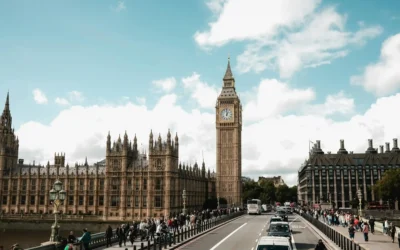
Big Ben
Big Ben London | Everything You Need to Know Few sounds are as instantly recognisable as the chimes of Big Ben, and few sights say "London" quite like the great clock tower rising above the Palace of Westminster. Officially the Elizabeth Tower, this Gothic Revival...
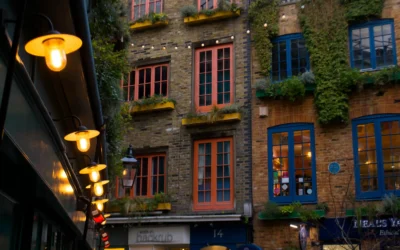
Covent Garden
Covent Garden London | Everything You Need to Know There's a particular kind of energy in Covent Garden that you feel the moment you arrive. Step into the cobbled Piazza and it hits you all at once — an opera singer's voice soaring over the crowd, a street magician...
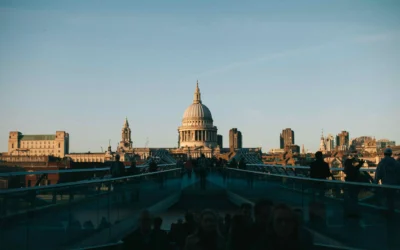
St Pauls Cathedral
St Pauls Cathedral London | Everything You Need to Know Rising over the City of London from the summit of Ludgate Hill, St Paul's Cathedral is one of the most breathtaking buildings in Britain. Sir Christopher Wren's masterpiece has crowned the skyline for over 300...
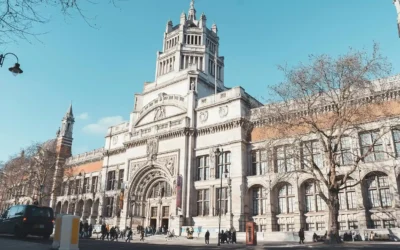
Victoria and Albert Museum
Victoria and Albert Museum London | Everything You Need to Know Step inside the Victoria and Albert Museum and you enter the world's greatest treasury of art, design and human creativity. Across 145 galleries lie over 2.8 million objects spanning 5,000 years —...
The Real Mary Kings Close
The Real Mary Kings Close Edinburgh | Everything You Need to Know Beneath the bustle of Edinburgh's Royal Mile, hidden under the City Chambers, lies a street that time forgot. The Real Mary King's Close is a warren of narrow alleyways and cramped 17th-century homes —...